
Ozone Applications

Shellfish Depuration
Ozone for Shellfish Depuration Systems
Cleaner Shellfish, Safer Food, and Longer Shelf Life — Naturally
Ozone is a powerful, natural disinfectant that provides an effective, chemical-free method for shellfish depuration. By integrating ozone into depuration systems, producers can improve microbial safety, reduce water use, and extend the shelf life of oysters, clams, mussels, and other bivalves—all while maintaining their natural flavor and texture.
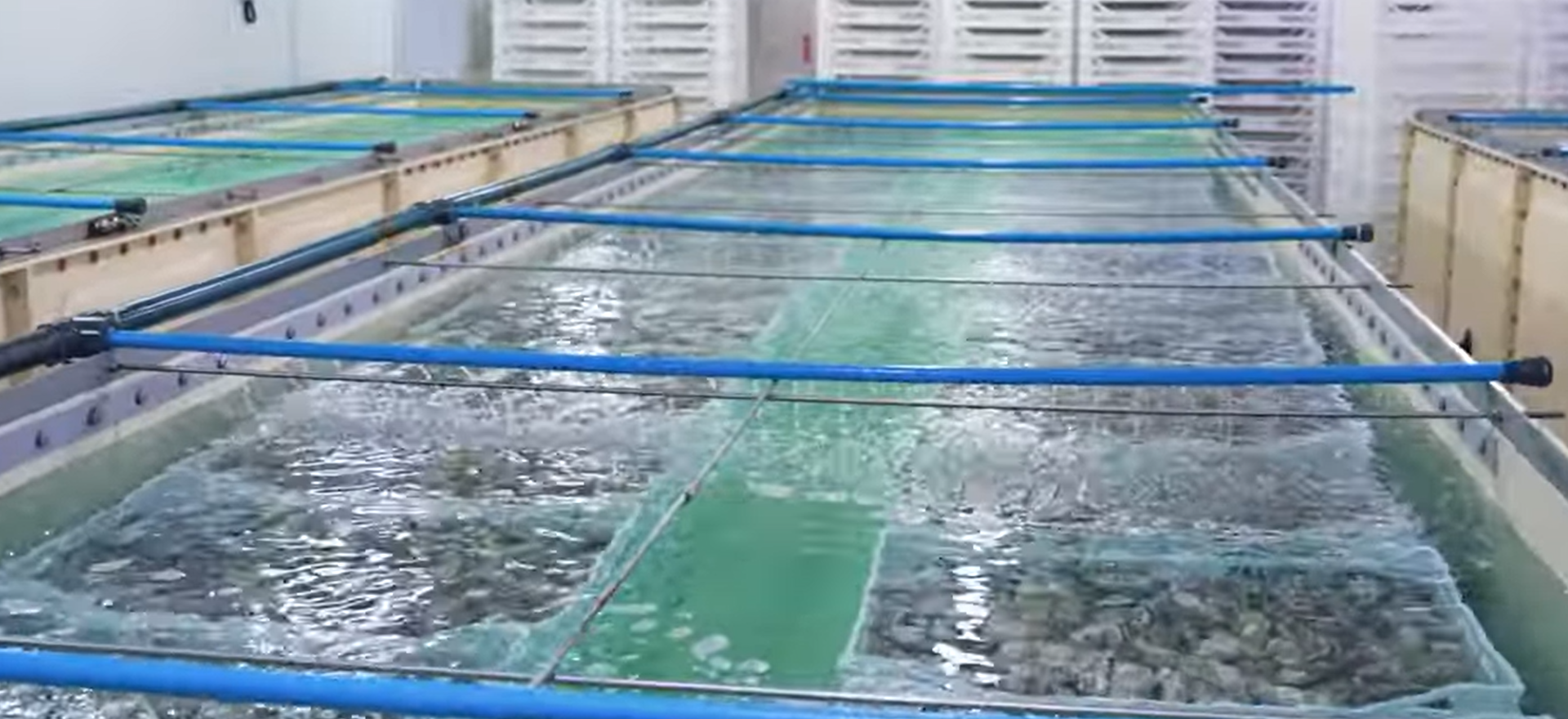
What Is Shellfish Depuration?
Shellfish depuration is the process of purging filter-feeding shellfish of bacteria, viruses, and other contaminants accumulated during growth in coastal or estuarine waters. Traditionally, this is done by holding the live shellfish in clean, aerated seawater for 24–48 hours.
However, standard depuration systems using only filtration and UV sterilization can struggle to fully eliminate pathogens such as E. coli, Vibrio, and norovirus. Adding ozone to the process provides a higher level of water quality and disinfection performance.
Why Use Ozone in Depuration Water?
1. Powerful Broad-Spectrum Disinfection
Ozone (O₃) is one of the strongest oxidizing agents available—capable of inactivating bacteria, viruses, and protozoa far more effectively than chlorine or UV alone. When dissolved in seawater, ozone rapidly oxidizes cell membranes and organic contaminants without leaving chemical residues.
2. Enhances Water Quality
Ozone breaks down dissolved organics, color, and odor compounds, improving water clarity and reducing biological oxygen demand (BOD). This allows for better oxygen transfer and creates a cleaner, more stable environment for the shellfish during depuration.
3. Chemical-Free and Environmentally Friendly
Unlike chlorine or other halogen disinfectants, ozone decomposes back to oxygen, leaving no harmful by-products or residues in the water. This makes it an ideal fit for environmentally conscious aquaculture and seafood operations.
4. Improved Shelf Life and Product Quality
Studies have shown that shellfish depurated in ozonated water have lower bacterial loads post-processing, slower spoilage rates, and extended shelf life during storage and transport—all while maintaining natural flavor, texture, and appearance.
FDA-Approved and Safe for Food Use
Ozone is approved by the U.S. Food and Drug Administration (FDA) under 21 CFR 173.368 for use as an antimicrobial agent on food, including shellfish, fish, and other seafood products.
When properly applied under Good Manufacturing Practices (GMPs), ozone can be safely used in shellfish depuration water, equipment sanitization, and as an antimicrobial rinse for shucked meats.
Ozone systems used for food or water treatment must comply with EPA and FDA sanitation requirements, including daily monitoring of ozone levels or oxidation-reduction potential (ORP) to ensure safety and consistency.
FDA Policy on the Use of Ozone in Shellfish Plants - 21 CFR 173.368
Typical Ozone System Integration
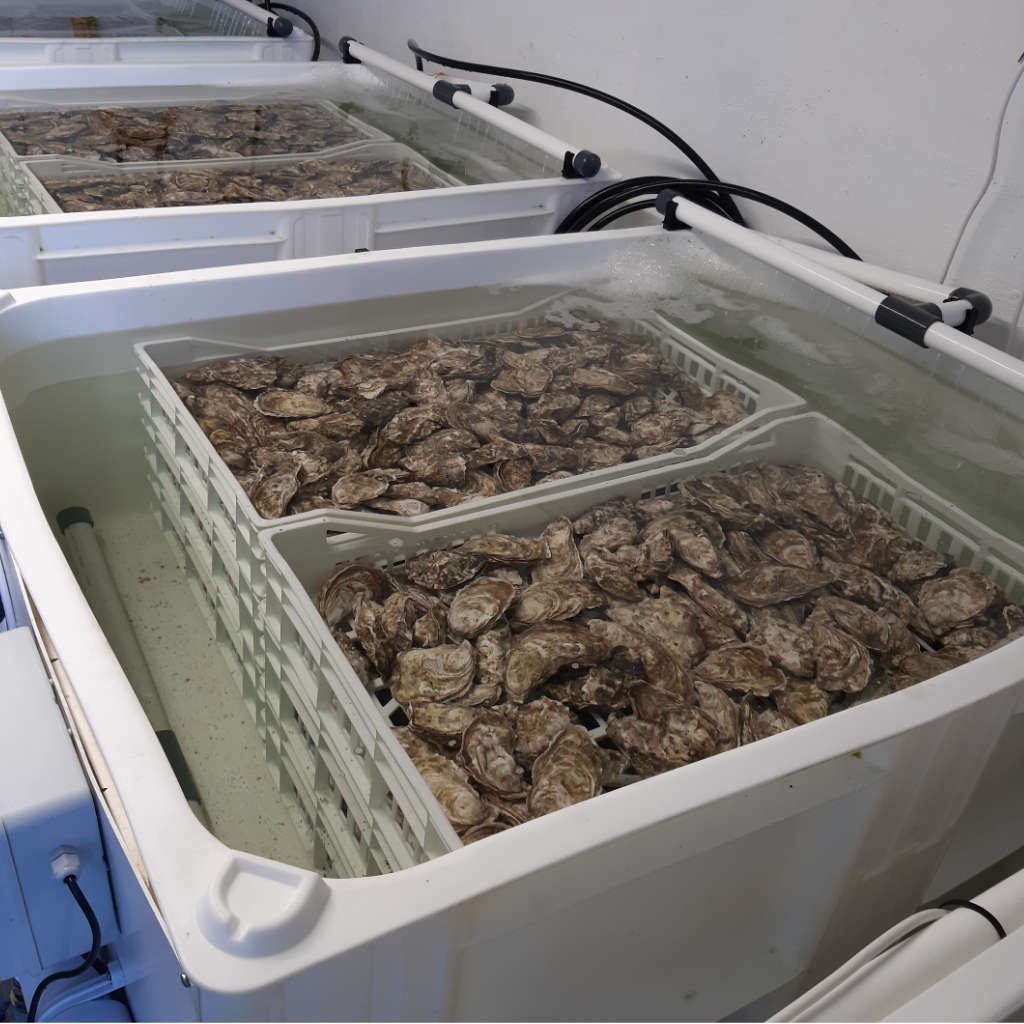
A typical ozone depuration setup includes:
- Ozone generator (corona discharge or oxygen-fed)
- Ozone injection system (venturi injector or fine-bubble diffuser)
- Contact tank or loop to achieve 0.1–0.3 mg/L residual ozone
- ORP or dissolved ozone monitoring for system control and safety
- Off-gas destruct system to safely vent excess ozone
For a 5,000-gallon depuration tank holding approximately 1,000 lb of shellfish, ozone dosage requirements typically range from 2–6 g O₃/hour, depending on water temperature, salinity, and organic loading. Ozone levels in the depuration water are maintained between 0.1 – 0.3 mg/L for safe and effective operation.
Benefits of Using Ozone in Shellfish Depuration
| Benefit | Result |
|---|---|
| Rapid microbial reduction | Inactivation of E. coli, Vibrio, and viruses |
| Cleaner process water | Reduced BOD, color, and odor |
| No chemical residues | Ozone decomposes to oxygen |
| Extended shelf life | Lower post-harvest microbial load |
| Improved food safety compliance | Meets export and regulatory standards |
| Lower operational costs | Reduced need for water exchange and chemicals |
Applications
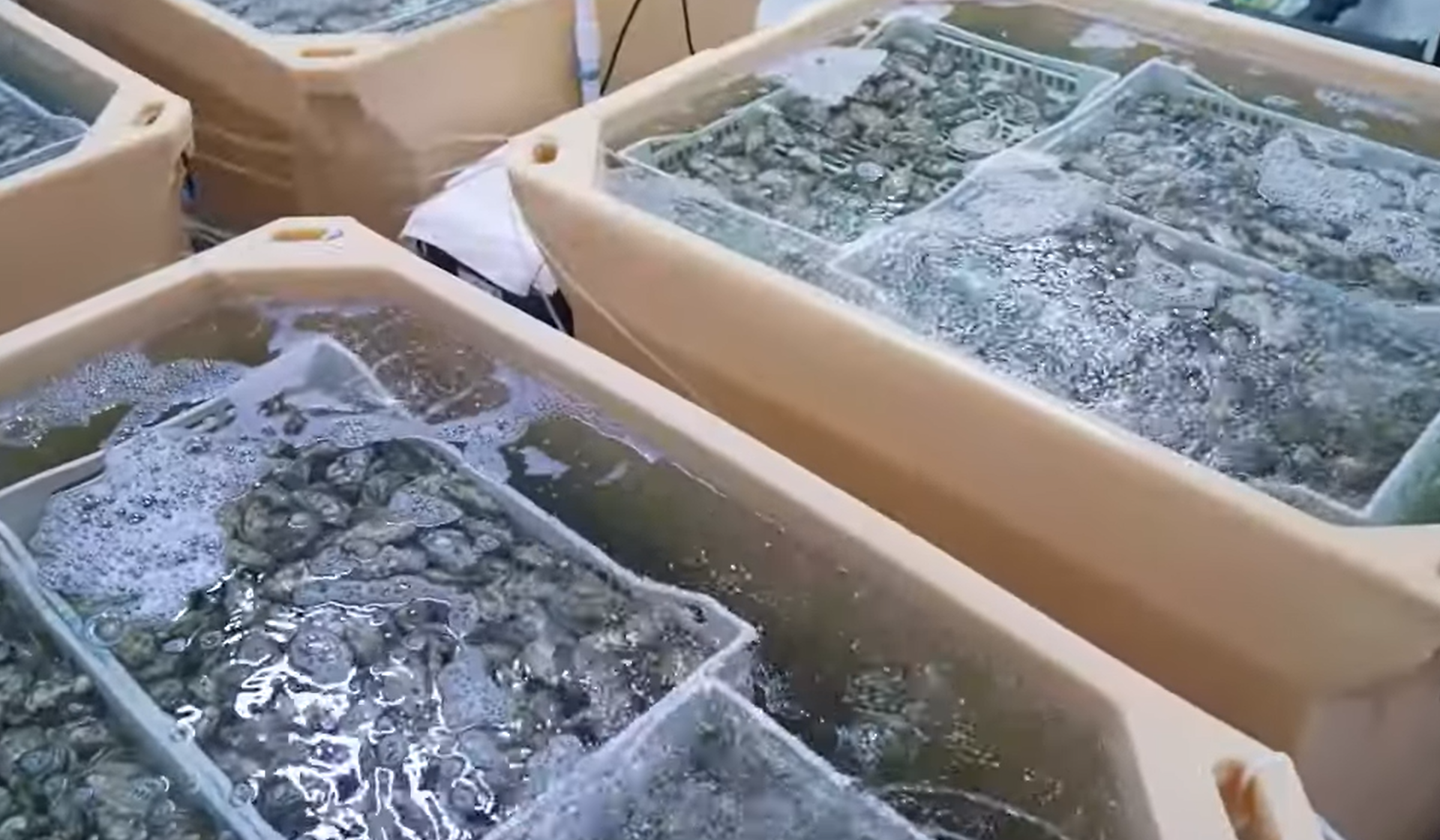
- Oyster depuration plants
- Clam and mussel purification systems
- Aquaculture hatcheries
- Seafood holding and transport tanks
- Coastal shellfish sanitation programs
Why Choose Oxidation Technologies
Oxidation Technologies designs and supplies complete ozone systems for shellfish depuration and aquaculture water treatment. We provide:
- Turnkey ozone generation and injection systems
- Customized control panels and monitoring
- Off-gas management and safety equipment
- Engineering support for system design and integration
- On-site installation, service, and training
We combine practical aquaculture experience with proven ozone technology to help you achieve safer, cleaner shellfish processing—reliably and efficiently.
Contact Oxidation Technologies to learn more about how we can put our experience to use for you.
Related Research:
POLICY ON THE USE OF OZONE IN SHELLFISH PLANTS
Ozone and Molluscan Shellfish:
21 CFR 173.368
Ozone may be used in a shellfish processing facility for water treatment, equipment sanitizing, and as an antimicrobial on shucked meats. However, it must be used in accordance with GMPs, which includes following instructions for use, and meeting FDA’s or EPA’s requirements, as
applicable. In addition, if it is used as an antimicrobial on shucked meats, that treatment cannot replace sanitary practices that prevent adulteration or cross contamination.
Link:

A Seawater Ozonization and Shellfish Depuration
Authors:
- Y. Fauvel
- G. Pons
- J-P Legeron
Abstract:
French coastal water pollution has necessitated construction of shellfish depuration stations. Physical and chemical studies indicated that while ozone and bromates are absent from ozonized seawater, there is an increase in dissolved oxygen and residual oxidants. Water quality, temperature, and variations in shellfish filtration capacities appear to govern oxidant longevity.
Link:
Purpose of the Study
The paper examines how ozone treatment of seawater improves depuration efficiency in shellfish such as oysters, mussels, and clams. The goal is to assess ozone’s role in reducing microbial contamination, enhancing water quality, and ensuring safer shellfish for human consumption.
Key Findings
Ozone as an Effective Disinfectant
-
Ozone effectively inactivates bacteria, viruses, and protozoa found in seawater used for depuration.
-
It oxidizes organic matter, reduces turbidity, and lowers microbial counts without introducing harmful chemical residues.
-
Compared to chlorine and UV, ozone shows faster microbial kill rates and broader antimicrobial spectrum.
Improvement in Water Quality
-
Ozone-treated seawater demonstrated:
-
Lower BOD and COD levels
-
Improved clarity
-
Reduced odor and organic fouling
-
-
Cleaner water leads to better respiration and filtering performance by the shellfish during the depuration process.
Enhanced Depuration Performance
-
Shellfish depurated in ozonated water exhibited faster and more complete elimination of fecal coliforms and Vibrio species.
-
The microbial load in shellfish flesh was reduced by 1–3 log units within 24 hours, compared to minimal improvement in non-ozonated controls.
-
This efficiency is attributed to both the direct disinfection of water and the improved physiological conditions for shellfish filtration.
Optimal Ozone Levels
-
The study indicates that low ozone concentrations (0.1–0.3 mg/L) are sufficient for effective disinfection in depuration tanks.
-
Excessive ozone (>0.5 mg/L) may cause oxidative stress to shellfish, slowing filtration or causing shell closure.
-
The key is maintaining continuous, low-level ozone via automated dosing and monitoring.
Environmental and Safety Benefits
-
Ozone decomposes to oxygen, leaving no harmful residues or chlorinated by-products.
-
Treated effluent meets environmental discharge standards.
-
Workers are protected from ozone exposure through off-gas destruct systems and proper ventilation.
Comparison to Other Treatments
| Treatment | Pros | Cons |
|---|---|---|
| UV | Simple, chemical-free | Poor penetration, reduced effectiveness in turbid water |
| Chlorine | Strong disinfectant | Leaves toxic residues, alters water chemistry |
| Ozone | Strong oxidant, broad-spectrum, no residues | Requires monitoring and controlled dosing |
The study concludes that ozone outperforms UV and chlorine for shellfish depuration due to its dual benefits: enhanced microbial control and improved water quality.
Conclusions
-
Ozone is a safe, efficient, and environmentally sustainable disinfectant for shellfish depuration systems.
-
Maintaining ozone residuals between 0.1–0.3 mg/L and contact times of 3–5 minutes ensures optimal microbial reduction without harming shellfish.
-
Integration with ORP or dissolved ozone control systems allows consistent operation.
-
Regular system calibration and off-gas handling are essential for worker and product safety.
Link to full paper:

Improved Microbial Safety of Direct Ozone-Depurated Shellstock Eastern Oysters (Crassostrea virginica) by Superchilled Storage
Authors:
- Karla López Hernández
- Violeta Pardío Sedas
- Sóstenes Rodríguez Dehaibes
- Víctor Suárez Valencia
- Isaura Rivas MozoDavid Martínez Herrera
- Argel Flores Primo
- Roxana Uscanga Serrano
Veracruz, Mexico, 2 Facultad de Medicina, Universidad Autónoma de Coahuila, Saltillo Coahuila, Mexico
Abstract:
The effect of superchilled storage at −1 °C on the microbial safety of oysters depurated with 0.2, 0.4, and 0.6 mg/L ozone was studied over a period of 14 days.
Initial microbial loads in raw oysters were:
-
Fecal coliforms: 4,100–16,000 MPN/100 g
-
Escherichia coli: 1,500–3,650 MPN/100 g
-
Vibrio cholerae non-O1/non-O139: 13.0–102.0 MPN/g
-
Salmonella spp.: (2.27–3.04) × 10³ CFU/g
After 6 hours of depuration, fecal coliform counts significantly decreased (P < 0.05) to 300, 20, and 20 MPN/100 g for the 0.2, 0.4, and 0.6 mg/L ozone treatments, respectively, while only a 0.3-log decrease was observed in control oysters.
Initial E. coli counts also decreased (P < 0.05) to 50, 20, and 20 MPN/100 g for the 0.2, 0.4, and 0.6 mg/L treatments, respectively. A 1-log reduction in V. cholerae non-O1/non-O139 levels was observed after 2–4 hours of depuration in the 0.4 and 0.6 mg/L treatments. Salmonella spp. were not detected after 6 hours of depuration in oysters treated with 0.4 and 0.6 mg/L ozone.
At the end of superchilled storage, oysters treated with 0.4 mg/L ozone had significantly lower (P < 0.05) fecal coliform levels (280 MPN/100 g) and E. coli counts (20 MPN/100 g for 0.4 mg/L and 95 MPN/100 g for 0.6 mg/L). A 2-log reduction in V. cholerae non-O1/non-O139 levels (< 0.3 MPN/g) was observed on day 5 in oysters depurated with 0.4 and 0.6 mg/L ozone. In contrast, V. cholerae levels in control oysters decreased only 1 log by day 9 of storage. Salmonella spp. remained undetectable in all ozonated and superchilled oyster samples.
Throughout superchilled storage, the levels of fecal coliforms, E. coli, Salmonella spp., and V. cholerae non-O1/non-O139 in non-ozone depurated oysters remained higher than in the control and ozonated groups.
Cumulative mortality after 14 days of storage was 22.2% for superchilled oysters without ozone treatment—significantly higher (P < 0.05) than 7.2% for 0.6 mg/L ozone, 5.8% for 0.4 mg/L ozone, and 5.6% for control oysters.
pH values in control oysters decreased significantly (P < 0.05) throughout storage, whereas oysters depurated with ozone maintained stable pH values—indicating no detrimental effects on oyster survival.
Superchilled storage combined with ozone depuration (0.4 mg/L for 6 hours) effectively enhances microbial safety and extends the shelf life of shellstock oysters for up to 9 days, making them safe for human consumption.
Link:
Study Summary:
A 2018 study published in Frontiers in Microbiology evaluated how ozone depuration and superchilled storage improve the microbial safety and shelf life of raw oysters (Crassostrea virginica). Researchers tested ozone concentrations of 0.2, 0.4, and 0.6 mg/L in seawater depuration systems followed by storage at –1°C for up to 14 days.
Key Findings
-
Rapid Microbial Reduction:
Within 6 hours of depuration, E. coli and fecal coliforms dropped from thousands of MPN/100 g to below 50 MPN/100 g at 0.4–0.6 mg/L ozone.
Salmonella spp. was completely eliminated, and Vibrio cholerae non-O1/non-O139 counts were reduced by over 90%. -
Sustained Safety During Storage:
During 9–14 days of superchilled storage, microbial levels remained very low in ozonated oysters compared to untreated controls.
The 0.4 mg/L ozone treatment provided the best balance of disinfection and product quality, with no negative effect on oyster viability or pH stability. -
Improved Shelf Life and Survival:
Oysters depurated with ozone and stored at –1°C showed mortality below 6% after 14 days, compared to over 22% in non-treated samples.
This combination of ozone depuration and superchilling effectively maintained freshness and food safety for over a week beyond conventional refrigeration.
Practical Implications
This research confirms that ozone treatment at 0.4–0.6 mg/L in seawater systems can:
-
Rapidly eliminate harmful bacteria from shellfish,
-
Extend shelf life during cold storage,
-
Maintain quality and safety for human consumption,
-
Provide a chemical-free, environmentally friendly alternative to chlorine or antibiotics.
Application Summary
Ozone depuration combined with superchilled storage represents a cost-effective, scalable postharvest process for shellfish processors.
By using controlled ozone injection and automated ORP monitoring, seafood producers can ensure microbial safety, freshness, and compliance with public health standards while reducing spoilage and waste
Link to full paper:
Influence of Ozone Depuration on the Physical Properties of Fresh American Oysters (Crassostrea Virginica)
Chapter 55
Abstract:
Ozone depuration is a non-thermal technology applied to moderated sewage-contaminated oysters to increase the supply of safe and nutritious bivalves. Ozone reacts with proteins causing peptide bond cleavage and a range of amino acid side-chain modifications. Collagen contributes to the texture and tenderness of oyster meat and although scientific information is available in relation to the action of ozone on proteins, little is known about the change in physical properties of proteins in food systems after an ozonization process that may affect the textural properties of the food product. Ozone treatment diminished oyster quality. Texture of oyster meat was positively correlated (r = 0.550) with proteolysis as free amino acid content increased and firmness of oyster meat decreased; texture and shear force were negatively correlated (r = −0.724), as shear force values decreased and panelists detected softer meat. Meanwhile, WB shear force was negatively correlated (r = −0.469) with proteolysis as free amino acid content increased and WB shear force diminished by ozone depuration.
Link:
https://www.sciencedirect.com/science/article/abs/pii/B978012404699300055X
Direct application of ozone in aquaculture systems
Authors:
- Adam Powell
- Jacob W.S. Scolding
Abstract:
Ozone (O3) is a powerful oxidant that has been used in both the aquaculture and water treatment industries to improve water quality and reduce pathogens during pretreatment, treatment of effluent, as a continual treatment during RAS operations, and for bivalve depuration. As ozone can be toxic to aquatic organisms, the technology has also been investigated to destroy invasive or nuisance species, and other research has also highlighted negative effects of residual ozone on water courses. Ozone and ozone-produced oxidants used in aquaculture operations have therefore typically been removed from water prior to entry into tanks holding stock animals. However, a growing body of research has identified direct application of ozone, here defined as exposure of residual ozone and ozone-produced oxidants to cultured species of finfish, shellfish and live feeds across various life stages. This approach appears to be increasingly employed as a beneficial technology due to proven enhancement of hygiene and water quality, provided dosages or concentrations are appropriate to maintain animal health and welfare. This review paper concentrates on the observed benefits and drawbacks of direct ozonation, influencing factors and future considerations for standardisation and uptake of the technology.
Link:
https://onlinelibrary.wiley.com/doi/abs/10.1111/raq.12169
Study of the efficacy of three depuration methods as a prerequisite for the hygiene-sanitary program in bivalve molluscs, from mariculture
Authors:
- Department of Food Technology, Federal Fluminense University (UFF), Niteroi, Rio de Janeiro, Brazil
- Fishing Institute Foundation of the State of Rio de Janeiro (FIPERJ), Niteroi, Rio de Janeiro, Brazil
- Department of Bromatology, Federal Fluminense University (UFF), Niteroi, Rio de Janeiro, Brazil
Received 9 July 2024, Revised 9 September 2024, Accepted 19 September 2024, Available online 21 September 2024, Version of Record 25 September 2024.
Abstract:
Link:
https://www.sciencedirect.com/science/article/abs/pii/S0956713524006170