
Ozone Applications

Ozone System Design
Pages on Ozone System Design
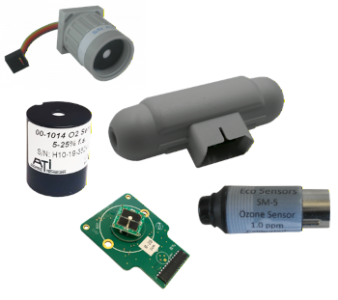
Compare O3 Sensor Technologies
There are different methods to measure ozone for safety and process control. Each method has distintive advantages and disadvantages. UV Absorption Ozone Analyzer. Electrochemical Ozone Sensor. Heated Metal Oxide Ozone (HMOS) Sensor
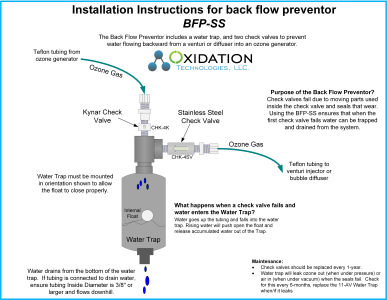
Backflow Prevention
An important function of every ozone water system is back flow protection of water into the ozone generator. information on various devices used to prevent the ingress of process water into an ozone generator output. A backlow preventer is needed to prevent backward flow of water to an ozone generator.
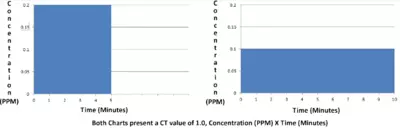
CT Value
CT Value is a common term used to quantify disinfection dosage rates in water. CT refers to Concentration of the disinfectant in water and the exposure time of that disinfectant.
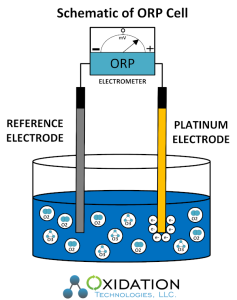
Measure Ozone in water with ORP Meters
Measure dissolved ozone in water with an ORP meter indirectly. ORP can be used to measure ozone in water at a lower cost, in water where a dissolved ozone meter may not be an option.
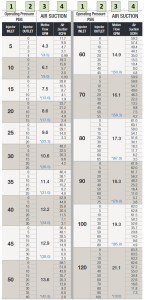
How to read a Venturi Injector performance Chart
This article describes how to read a Mazzei Venturi Injector performance chart. Each Mazzei venturi injector is provided with a performance chart that outlines the water flow, pressures and suction created by the venturi. Understanding how to read the venturi injector performance chart will help choose the proper venturi injector and use properly for a successful ozone application.
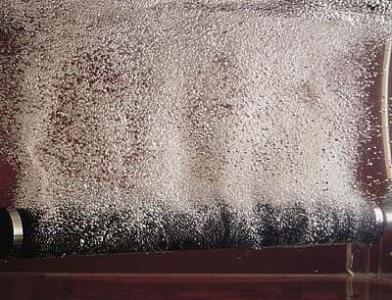
Ozone Dosage vs Dissolved Ozone
Ozone dosage = the amount of ozone applied to the water Dissolved ozone = the amount of ozone measured in the water The quantity of ozone you attempt to put into the water will always exceed the amount of ozone actually absorbed into solution.
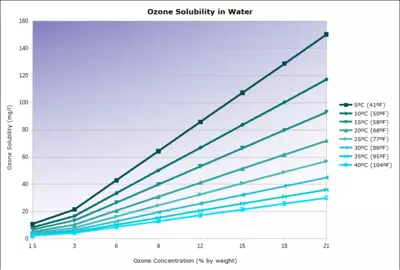
Ozone Solubility in water
Ozone Solubility in a liquid is the rate that ozone dissolved into water to create aqueous ozone. The rate that ozone dissolves in water follows henry's law very closely.
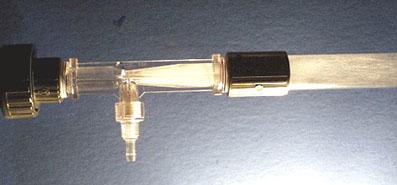
Ozone dissolved with Venturi Injector
Ozone dissolved into water with venturi injector is efficient. Advantages and disadvantages are outlined along with helpful installation tips for a successful ozone application using a venturi injector.
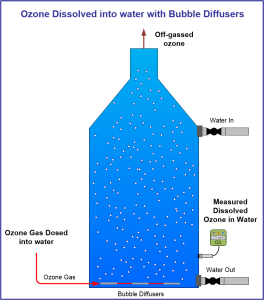
Ozone dissolved with bubble diffusers
Ozone dissolved with bubble diffusers. Ozone gas can be dissolved into liquid with simple bubble diffusers. Diffusers implement a gas permeable membrane that will disperse the gas stream into many smaller ozone gas bubbles in the water.
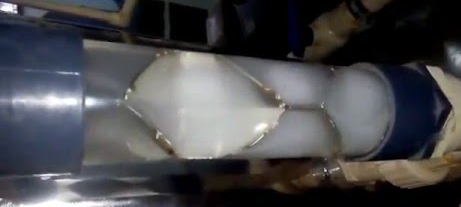
Ozone dissolved with static mixer
Dissolve ozone into water with a static mixer. Great option to dissolve ozone into flowing water in a pipeline.
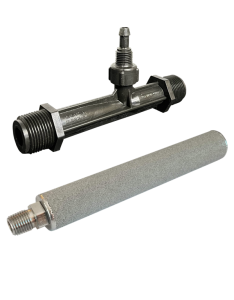
Venturi Injector vs Bubble Diffusers
Compare the Mazzei venturi injector to the bubble diffuser for ozone injection into water. Advantages and disadvantages are reviewed to compare the venturi injector to the bubble diffuser for ozone solubility
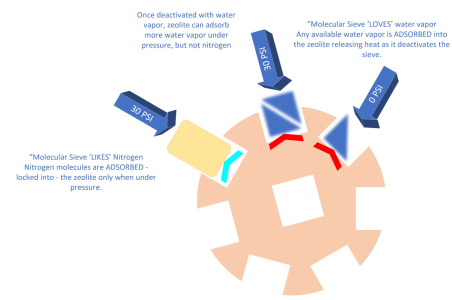
How Oxygen Concentrators Work
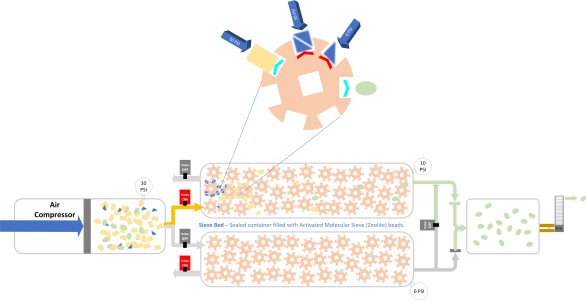
Oxygen Concentrator Cycles Explained
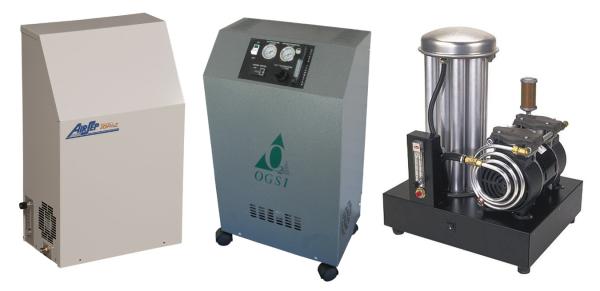
Oxygen Generator types compared
Comparison of the various types of oxygen generators. Compare turnkey oxygen generators to OEM versions to the Industrial oxygen generators. Pro's and Con's of each are oulined
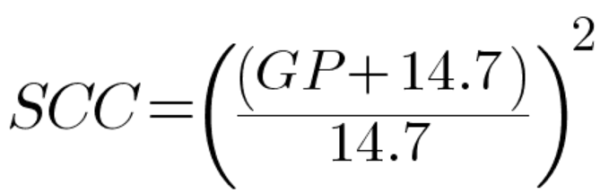
Correction Factor for Gas Flow When Gas is Under Pressure
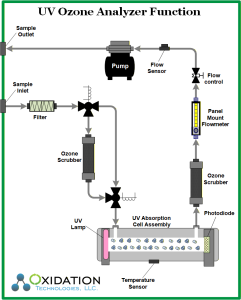
UV Ozone Analyzers Explained
UV absorption is considered the gold standard for ozone measurement due to its accuracy, stability, and long-term reliability. UV based Ozone analyzers operate based on the principle that ozone molecules absorb ultraviolet (UV) light at the specific wavelength of 254 nm.
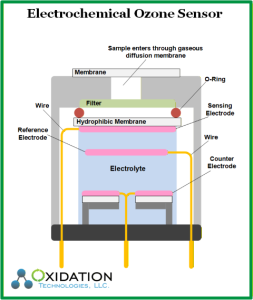
Electrochemical O3 Sensors Explained
Electrochemical sensors are one of the most common and practical methods for detecting low-level ozone in workplaces, ambient air, and safety applications. They are compact, low-power, and sensitive—making them ideal for portable detectors, fixed safety monitors, and personal exposure devices.
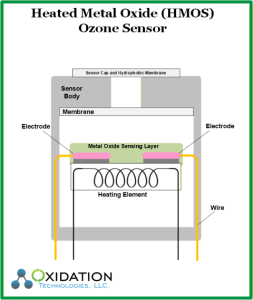
HMOS Ozone Sensors Explained
Heated Metal Oxide Sensor (HMOS) technology is a rugged, long-life method for ozone detection commonly used in industrial safety, equipment interlocks, and low-ozone environments. These sensors are known for their durability, fast response, and ability to operate in harsh environmental conditions where other sensor types may struggle.