
Ozone Applications

Biological Oxygen Demand
What is Biological Oxygen Demand (BOD)?
Biological Oxygen Demand (BOD) is a key water quality indicator that measures the amount of dissolved oxygen aerobic microorganisms require to biologically break down organic matter in water over a set period (typically 5 days in the BOD₅ test). Elevated BOD indicates high concentrations of biodegradable organics, which can deplete dissolved oxygen and harm aquatic ecosystems if discharged untreated.
Unlike Chemical Oxygen Demand (COD) — which measures the oxygen needed for chemical oxidation of both biodegradable and non-biodegradable substances — BOD specifically reflects the oxygen consumed by microbes during decomposition of organic pollutants. Because of this focus on biodegradation, BOD is often used to assess the potential impact of wastewater on receiving waters and the effectiveness of biological treatment processes.
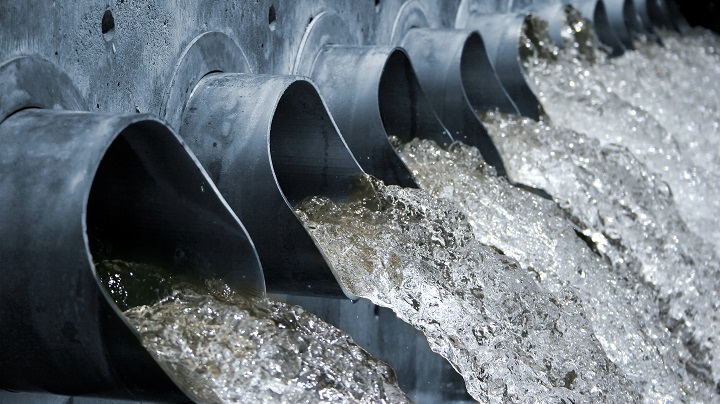
Ozone for BOD Elimination:
Ozone (O₃) is one of the strongest oxidants used in water treatment. When dissolved into water, ozone reacts with organic compounds that contribute to biological oxygen demand. The oxidation breaks complex biodegradable organics into simpler compounds — often converting them fully to carbon dioxide (CO₂) and water (H₂O) or into smaller fragments that are easier for microbes to degrade.
By directly oxidizing the organic matter that microbes would consume, ozone lowers the BOD value, reducing the oxygen depletion impact of water effluent and improving the efficiency of downstream biological treatment systems (such as activated sludge). In many situations, ozonation can change the composition of organic matter, making otherwise recalcitrant organics more biodegradable, which enhances overall removal performance.
Typical BOD Levels In Water Sources:
BOD levels vary widely depending on the water source and level of contamination:
|
Water Source |
Typical BOD₅ Range (mg/L) |
Common Organic Contributors |
|
Natural Surface/Raw Water |
1 – 10 |
Natural organics, humic substances |
|
Municipal Wastewater (Untreated) |
150 – 300 |
Food waste, detergents, sewage |
|
Municipal Wastewater (After Treatment) |
20 – 50 |
Residual biodegradable organics |
|
Industrial Effluent (Food & Beverage) |
250 – 1,000 |
Sugars, proteins, fats |
|
Industrial Effluent (Chemical / Pharma) |
200 – 800+ |
Varied organics, solvents |
Where Ozone-Based BOD Reduction is Used
Ozone treatment for BOD reduction is widely applied in both municipal and industrial water treatment:
- Municipal wastewater facilities — tertiary treatment to polish effluent and meet discharge standards.
- Industrial effluents (food & beverage, dairy, breweries) — reduce biodegradable load before biological treatment or discharge.
- Aquaculture and fish processing — lower organic loading and improve water quality.
- Landfill leachate — reduce high biodegradable organics before further treatment.
- Water reuse systems — prepare recycled water by lowering oxygen demand and improving biological stability.
Design Considerations for Ozone BOD Treatment
- Successful ozone application for BOD reduction depends on several factors:
- Ozone dose and contact time — sufficient ozone must be delivered and mixed to oxidize targeted organics.
- Water quality parameters — pH, temperature, and the presence of scavengers affect ozone stability and reaction pathways.
- Downstream processes — combining ozone with biological treatment often yields the best overall reduction of BOD.
- Monitoring and control — continuous monitoring helps optimize ozone dosing to achieve target BOD levels.
How Ozone Oxidizes BOD in Water:
Biochemical Oxygen Demand (BOD) represents the amount of dissolved oxygen microorganisms consume while biologically degrading organic matter in water. Ozone reduces BOD by chemically oxidizing biodegradable organics before microbes can consume them, thereby lowering the oxygen demand exerted during biological decomposition.
Ozone oxidizes BOD-causing compounds through two primary mechanisms: direct molecular oxidation and indirect oxidation via hydroxyl radicals.
Direct Oxidation (Molecular Ozone Reaction)
- Dissolved ozone (O₃) reacts directly with biodegradable organic compounds that contribute to BOD, such as sugars, proteins, amino acids, fatty acids, and other oxygen-demanding organics commonly found in municipal and industrial wastewater.
- Ozone preferentially attacks electron-rich functional groups, including:
- Double bonds in unsaturated fatty acids
- Aromatic rings in phenolic compounds
- Amines and sulfur-containing compounds in proteins
- Example:
- A biodegradable compound such as a simple carbohydrate or phenolic organic is oxidized into smaller organic acids and, with sufficient ozone exposure, further mineralized to carbon dioxide and water.
- Reaction (simplified):
- Organic matter + O₃ → intermediate organics → CO₂ + H₂O
- By oxidizing these compounds chemically, ozone eliminates or reduces the organic material that microorganisms would otherwise consume, directly lowering measured BOD.
Indirect Oxidation (Hydroxyl Radical Formation)
- In aqueous systems—especially at elevated pH or in the presence of catalysts—ozone decomposes to form hydroxyl radicals (•OH), which are extremely powerful and non-selective oxidants (oxidation potential ≈ 2.8 V).
- These radicals rapidly attack a wide spectrum of biodegradable and semi-biodegradable organic matter, including compounds that may not react efficiently with ozone alone.
- Example:
- Complex biodegradable organics such as proteins or surfactants are fragmented into smaller molecules and ultimately mineralized.
- Reaction (simplified):
- O₃ + H₂O → •OH + O₂ → rapid oxidation of organic matter
- This indirect pathway significantly enhances BOD reduction, as hydroxyl radicals destroy organic substrates that would otherwise support microbial respiration.
Breakdown of BOD-Contributing Compounds
- Biodegradable organics:
- Ozone cleaves long-chain organics (fats, oils, greases), oxidizes sugars and starches, and disrupts protein structures, reducing their availability as microbial food sources.
- Readily biodegradable matter:
- Simple organics are often fully mineralized, resulting in immediate BOD reduction.
- Partially biodegradable matter:
- Some compounds are transformed into smaller, less oxygen-demanding molecules, lowering overall biological oxygen consumption during BOD testing.
- The net effect is less organic carbon available for microbial oxidation, resulting in a lower BOD value.
Summary
- After ozonation, BOD decreases because biodegradable organic matter has been:
- Fully mineralized to CO₂ and H₂O, or
- Partially oxidized into compounds that exert significantly less biological oxygen demand.
- For example, wastewater with an initial BOD of 300 mg/L may be reduced to 50–150 mg/L, depending on ozone dose, contact time, and water chemistry.
- Ozone does not always eliminate all biodegradable organics. Some oxidation byproducts (such as short-chain organic acids or aldehydes) may remain and still contribute to residual BOD, though at a much lower level than the original compounds.
Ozone + Biofiltration for BOD removal
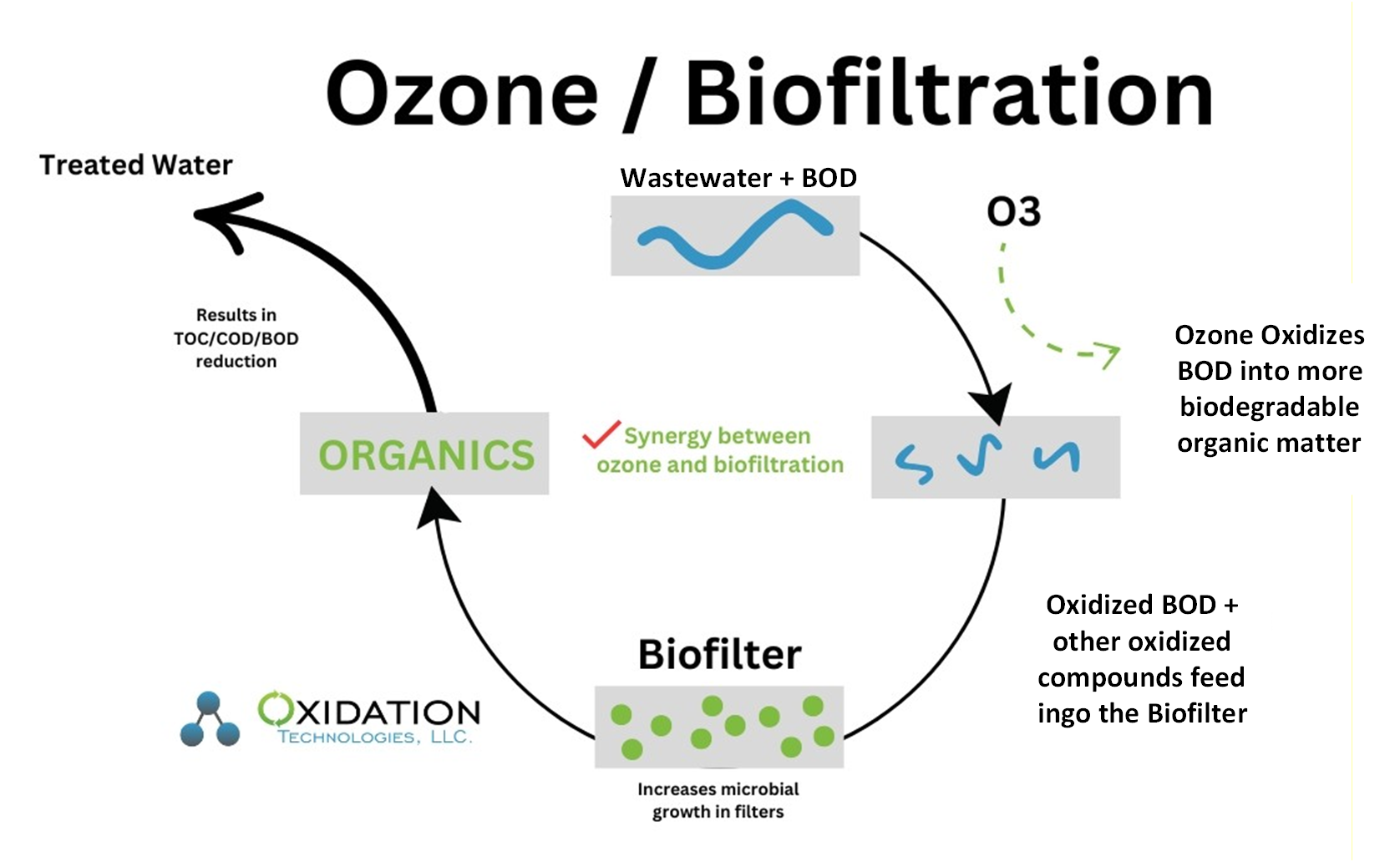
Ozone and biofiltration work synergistically to reduce Biological Oxygen Demand (BOD) in water by combining advanced oxidation with biological degradation. Ozone oxidizes complex, refractory, and toxic organic compounds into simpler, more biodegradable molecules such as organic acids and aldehydes. This oxidation step reduces inhibitory compounds and increases the BOD/COD ratio, making the remaining organic matter easier for microorganisms to consume. Biofiltration then uses attached or suspended microbial communities to biologically degrade these biodegradable compounds into carbon dioxide, water, and biomass. Together, ozone pretreatment and biofiltration provide faster, more complete organic removal, lower sludge production, and improved overall treatment efficiency compared to biological treatment alone.
Relationship between BOD and COD in Water and Ozone Reactions:
Water with high COD values typically also have high BOD (Biological Oxygen Demand) levels in water. When ozone is used it is common that BOD is oxidized first, and causes in increase in COD values. Then as ozone dosage rates rise, or treatment time is extended COD values begin to decrease. Specifically here is what is happening:
- Initially, COD values increase While BOD values decrease
- Ozone initially oxidizes the organic matter in the water. The BOD drops because ozone quickly breaks down the biodegradable compounds (like sugars or proteins) that microbes would normally eat. It turns them into simpler compounds like carbon dioxide and water, or into smaller organic pieces.
- But here’s the twist: those smaller compounds (like organic acids, aldehydes, or ketones) are still oxidizable by chemicals—they count toward COD. In fact, ozone might break big, complex molecules into more of these smaller, oxidizable fragments. Therefore, while the microbe-food (BOD) is disappearing, the amount of chemical oxidant (COD) actually increases for a while.
- COD drops after BOD has decreased dramatically
- When the biodegradable compounds are mostly oxidized, ozone oxidizes smaller fragments left behind eventually turning them into carbon dioxide and water, which don’t count toward COD anymore.
- At this point, with the easy microbial food gone, ozone’s focus shifts to finishing off the remaining oxidizable bits. The COD starts falling because there’s less and less left that can react with a chemical oxidant.
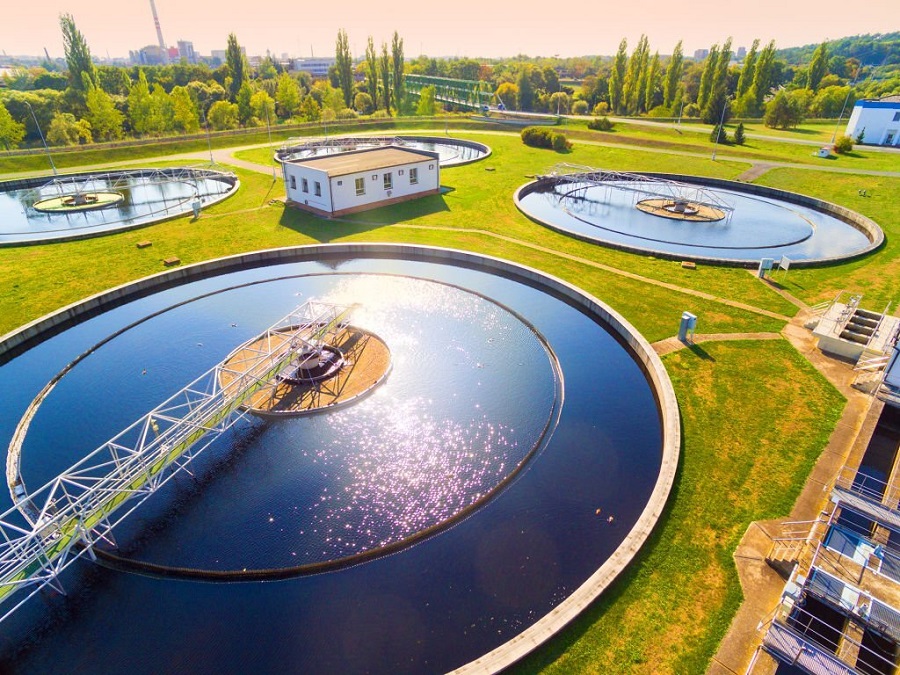
Factors Influencing Ozone Dosage:
Wastewater Composition: Presence of refractory organics (e.g., phenols, pesticides, dyes) requires higher ozone doses.
pH and Alkalinity: Higher alkalinity can lead to ozone scavenging, reducing efficiency.
Temperature: Higher temperatures accelerate ozone decomposition, affecting treatment performance.
Contact Time: The reaction rate of ozone to BOD will be dependent upon water temperature, PH, and other oxidizable compounds in water.
Pre-Treatment: Coagulation, filtration, or other water treatment before ozonation can reduce ozone demand.
Synergistic Technologies: Ozone may oxidize BOD into a filterable state either with standard filtration, water settling, or biofiltration. Ozone oxidation may also be benefited with an AOP reaction implementing H2O2 or UV Lights.
Advantages of Ozone for BOD Reduction:
- Rapid Oxidation of Biodegradable Organic Matter
- Ozone is a powerful oxidant that quickly reacts with biodegradable organic compounds such as sugars, proteins, fats, and other carbon-based contaminants. These compounds are the primary contributors to BOD, and ozonation breaks them down into simpler molecules such as carbon dioxide and water. This rapid oxidation reduces the oxygen demand that microorganisms would otherwise consume during biological treatment.
- Enhances Downstream Biological Treatment Performance
- Ozonation is often used as a pre-treatment step to improve the efficiency of biological treatment systems. By breaking complex organic molecules into smaller, more biodegradable compounds, ozone increases the BOD/COD ratio and improves microbial digestion rates in activated sludge, biofilters, and MBR systems. This can reduce biological reactor size, sludge production, and treatment time.
- Eliminates Toxic or Inhibitory Compounds
- Some organic compounds inhibit microbial activity, leading to poor biological treatment performance. Ozone oxidizes toxic organics, phenols, surfactants, pesticides, and industrial contaminants that inhibit bacteria. Removing these compounds allows biological systems to operate more efficiently and consistently.
- No Chemical Residuals or Secondary Pollution
- Unlike chlorine or other chemical oxidants, ozone decomposes back into oxygen and leaves no harmful chemical residuals. This eliminates concerns about chlorinated byproducts, salts, or sludge generation, making ozone an environmentally friendly BOD reduction technology.
- Improves Water Quality Beyond BOD Reduction
- Ozone treatment simultaneously reduces color, odor, turbidity, and pathogens while oxidizing organic matter. This makes ozonation a multi-benefit treatment step, improving overall effluent quality and helping facilities meet stricter discharge or reuse standards.
- Works Across a Wide Range of Wastewater Types
- Ozone is effective for municipal wastewater, food processing effluents, agricultural runoff, pulp and paper wastewater, landfill leachate, and industrial process water. Its non-selective oxidation capability allows it to treat diverse organic compounds contributing to BOD.
- Synergistic with Advanced Oxidation Processes (AOPs)
- Ozone can be combined with hydrogen peroxide (peroxone), UV light, or catalysts to form hydroxyl radicals, which further enhance oxidation efficiency. These Advanced Oxidation Processes can significantly improve BOD destruction in difficult-to-treat wastewater streams.
- Reduces Sludge Production
- By oxidizing organic matter before biological treatment, ozone reduces biomass growth and sludge production. This lowers sludge handling, dewatering, and disposal costs—often a major operational expense in wastewater treatment facilities.
- Flexible System Design and Scalability
- Ozone systems can be designed for inline injection, contact tanks, sidestream treatment, or polishing applications. They scale easily from small pilot systems to large municipal or industrial treatment plants and can be retrofitted into existing infrastructure.
Research on the use of ozone for BOD removal from Waterwater:

Sequential Ozonation and Biodegradation of Pulp and Paper Wastewater
Authors: Jorge Amacosta, Silvia Siles, T. Poznyak, Isaac Chairez-Oria, et al. (2024)
Abstract
In this research, the decomposition of toxic organics from pulp and paper mill effluent by the sequential application of ozonation and biodegradation was studied. Ozonation, as a pre-treatment, was executed to transform the initial pollutants into less toxic compounds (such as organic acids of low molecular weights). Biodegradation was executed during three days with acclimated microorganisms that were able to complete the decomposition of the initial organic mixture (raw wastewater) and to achieve a higher degree of mineralization (85–90%). Experiments were performed under three different conditions: (a) only ozonation of the initial contaminants, (b) only biodegradation of residual water without previous treatment by ozone and (c) ozonation followed by biodegradation performed by acclimated microorganisms. In the case of 72 h of biodegradation, the mineralization efficiency reached 85% and 89% after 30 and 60 min of ozonation, respectively. The no significant difference in this parameter coincided with the calculated generalized microorganisms’ consortia specific growing rate μmax that was reduced from 2.08 × 10⁻³ h−1 to 6.05 × 10⁻⁴ h−1 when the ozonation time was longer. The identification of the organics composition by gas chromatography with mass detector (GC-MS) before and after treatments confirmed that the proposed combined process served as a more efficient alternative to secondary and tertiary treatments (mineralization degree between 60 and 80% in average) of the paper industry wastewater.
Key Findings Summary:
Ozone pretreatment converted toxic and refractory organic compounds into biodegradable intermediates, enabling biological treatment to achieve 85–90% mineralization. The study demonstrates ozone significantly improves BOD treatability and biological treatment efficiency.
Read full paper HERE

Integrated Ozonation and Biotreatment of Bio-Treated Pulping Wastewater
Authors: Cheng Zhang, Lirong Lei, Youming Li, Jingtian Chen (2017)
Abstract
Bio-treated pulping wastewater (BTPW) was further treated using a combination of ozonation and biotreatment processes. The effect of ozonation on chemical oxygen demand (CODCr) removal and biodegradability enhancement of the BTPW was investigated. The results showed that the ozonation was effective for degrading the pollutants in the BTPW and improving its biodegradability. The CODCr removal reached approximately 34.8%, and the BOD/COD ratio increased from less than 0.15 to 0.36, after ozonation for 30 min. The raw BTPW biodegrades poorly, and treatment using a combination of ozonation with biotreatment could eliminate most of the refractory substances from the BTPW. The CODCr removal rates of the BTPW were 55.4% and 64.3% for the treatments using ozonation for 30 or 60 min, respectively, before subsequent biotreatment for 14 days. The CODCr removal rates were higher than that of the biological treatment alone by 44.7% and 53.6%, respectively.
Key Findings Summary:
Ozonation significantly improved biodegradability, increasing the BOD/COD ratio from <0.15 to 0.36. Combined ozone and biological treatment removed substantially more pollutants than biological treatment alone, demonstrating strong ozone–biological synergy.
Read full paper HERE

Effect of ozonation on the biodegradability of urban wastewater treatment plant effluent
Authors: Lam Thanh Phan, Heidemarie Schaar, Ernis Saracevic, Jörg Krampe, Norbert Kreuzinger
Abstract
The present work aimed to study the effect of ozonation on the organic sum parameters linked to enhanced biodegrad- ability. Laboratory experiments were conducted with the effluent of four Austrian urban wastewater treatment plants with low food to microorganism ratios and different matrix characteristics. Biochemical oxygen demand over 5 days (BOD 5) was measured before ozonation and after application of different specific ozone doses (Dspec) (0.4, 0.6 and 0.8 g O3/g DOC). Other investigated organic parameters comprised chemical oxygen demand (COD), dissolved or- ganic carbon (DOC), UV absorption at 254 nm (UV254), which are parameters that are applied in routine wastewater analysis. Carbamazepine and benzotriazole were measured as reference micropollutants. The results showed a dose- dependent increase in biological activity after ozonation; this increase was linked to the enhanced biodegradability of substances that are recalcitrant to biodegradation in conventional activated sludge treatment. The highest relative change was determined for BOD5, which already occurred between 0 and 0.4 g O3/g DOC for all samples. Increasing the Dspec to 0.6 and 0.8 g O3/g DOC resulted in a less pronounced increase. DOC was not substantially decreased after ozonation, which was consistent with a low reported degree of mineralization, while partial oxidation led to a quan- tifiable decrease in COD (7 to 17%). Delta UV254 and the decline in specific UV absorption after ozonation clearly cor- related with Dspec. In contrast, for COD and biodegradable DOC (BDOC), a clear dose-response pattern was identified only after exposure to BOD5 measurement. Indications for improved biodegradability were further supported by the rise in the BOD5/COD ratio. The results indicated that subsequent biological processes have a higher degradation po-tential after ozonation. The further reduction in biodegradable organic carbon emission by the combination of ozon- ation and biological post treatment represents another step towards sustainable water resource management in addition to micropollutant abatement
Key Findings Summary:
Ozone is not used here to directly "eliminate" BOD from wastewater (it actually raises measurable BOD₅ initially). Rather, it breaks down persistent organics into forms that become biodegradable, enabling more effective removal of organic load through combined ozonation + biological post-treatment. This supports sustainable wastewater management by reducing residual biodegradable emissions beyond micropollutant control.
Read full paper HERE

Integrated Ozone and Anoxic-Aerobic Activated Sludge Reactor for Endek (Balinese Textile) Wastewater Treatment
Authors: Wayan Koko Suryawan, Mia Juliana Siregar, Gita Prajati, Anshah Silmi Afifah
Abstract
The endek industry produces low-biodegradable wastewater, which is very difficult to treat using the biological methods. For this reason, this study was aimed at improving the quality of wastewater for endek textile wastewa- ter using the combination of ozone oxidation process as pretreatment and anoxic-aerobic activated sludge. The ozone reactor volume amounted to 3L and the applied ozone dose equaled 0.05 mg/minute. The BOD/COD of endek wastewater increased to 0.38 after ozone treatment and the application of anoxic-aerobic activated sludge treatment. The anoxic-aerobic experiments were conducted in batch process and consisted of activated sludge. Conventional anoxic-aerobic treatment can reach color and COD removal of 30% and 32%, respectively, without pre-treatment. The ozone pretreatment can increase color and COD removal up to 76.6% and 86.9%, respectively. On the basis of the effluent standards of textile wastewater quality, COD, BOD5, and total ammonia (NH3-N) pa- rameters have met the quality standards
Key Findings Summary:
Ozone pretreatment increased the BOD/COD ratio from 0.25 to 0.38, improving activated sludge efficiency and overall organic contaminant removal.
Read full paper HERE
Authors: A. Muhammad, A. Shafeeq, M. A. Butt, Z. H. Rizvi, M. A. Chughtai and S. Rehman
Institute of Chemical Engineering & Technology, University of the Punjab,
Abstract
In this paper, a comparative study of the treatment of raw and biotreated (upflow anaerobic sludge blanket, UASB) textile dye bath effluent using advanced oxidation processes (AOPs) is presented. The AOPs applied on raw and biotreated textile dye bath effluent — after characterization in terms of COD, colour, BOD and pH — were ozone, UV, UV/H₂O₂ and photo-Fenton. The decolorization of raw dye bath effluent was 58% in the case of ozonation. However, it reached 98% in the case of biotreated dye bath effluent when exposed to UV/H₂O₂. It is therefore suggested that a combination of biotreatment and AOPs be adopted to decolorize dye bath effluent in order to make the process more viable and effective. Biodegradability was also improved by applying AOPs after biotreatment of dye bath effluent.
Keywords: Biodegradation; Dyes; Ozonation; Pollutant; AOPs.
Key Findings Summary:
Ozone (O₃) is a strong oxidant used in wastewater treatment (including textile effluents) primarily for disinfection, decolorization, and degradation of recalcitrant organics. Its effect on BOD (Biochemical Oxygen Demand, a measure of biodegradable organic matter) is typically indirect and context-dependent:
- In many cases (e.g., this paper), ozonation reduces BOD directly by oxidizing organic compounds, especially in polishing/tertiary stages or biotreated effluents (e.g., 85% BOD removal from biotreated textile effluent here at ~25 min exposure).
- Ozone often increases BOD initially or enhances biodegradability (higher BOD/COD ratio) by partially oxidizing complex, non-biodegradable organics into simpler, more bioavailable intermediates. This makes downstream biological treatment more effective for overall BOD reduction.
- Direct BOD decreases occur with sufficient ozone dose/contact time, particularly for residual organics after primary/secondary treatment, or in combination with AOPs (e.g., O₃/UV/H₂O₂). Literature shows BOD reductions in various wastewaters (including textile), but ozone excels more at COD/color removal and biodegradability enhancement than pure BOD destruction alone.
- In raw/high-load effluents, BOD may rise temporarily before falling; in low-load/polished effluents, net BOD reduction is more consistent (often alongside COD drops of 30–80%).
Overall, ozone supports BOD removal economically as a "polisher" (reducing residuals to safe discharge levels), but optimal results come from integrated systems (biological + ozonation/AOPs) rather than ozone alone. Effectiveness depends on dose, pH (often neutral/favorable for radicals), wastewater matrix, and contact time.
Read full paper HERE

Ozonation and Its Application in Wastewater Treatment
Authors: Soham Joshi, Anita Kumari
Abstract
Disinfection is considered the primary mechanism for the inactivation or destruction of pathogenic organisms, thereby preventing the spread of waterborne diseases to downstream users and the environment. It is essential that wastewater be adequately treated prior to disinfection for any disinfectant to be effective.
Ozone is produced when oxygen (O₂) molecules are dissociated by an energy source into oxygen atoms, which then collide with an oxygen molecule to form ozone (O₃), an unstable gas used to disinfect wastewater. Most wastewater treatment plants generate ozone by applying a high-voltage alternating current (6–20 kilovolts) across a dielectric discharge gap containing an oxygen-bearing gas. Ozone is generated onsite because it is unstable and decomposes rapidly back to elemental oxygen after production.When ozone decomposes in water, it forms free radicals such as hydroperoxyl (HO₂•) and hydroxyl (OH•), which possess strong oxidizing capacity and play a key role in the disinfection process. It is generally accepted that bacteria are destroyed through protoplasmic oxidation, leading to cell wall disintegration (cell lysis). The effectiveness of disinfection depends on the susceptibility of the target organisms, contact time, and ozone concentration.
The ozonation process has been widely applied in water and wastewater treatment for disinfection and the degradation of toxic organic pollutants. However, ozone utilization efficiency is often low, mineralization of organic pollutants via direct ozone oxidation is limited, and toxic disinfection by-products (DBPs) may form during the process. Catalytic ozonation can partially overcome these limitations and has received increasing attention in recent years. In catalytic ozonation, catalysts promote O₃ decomposition and generate additional active free radicals, thereby enhancing the degradation and mineralization of organic pollutants.Ozone also removes iron, manganese, and arsenic from water by oxidizing them to insoluble forms that can be separated by filtration. While both inorganic and some organic removals rely on molecular ozone, the degradation of refractory organic pollutants — those resistant to conventional treatments — depends primarily on indirect radical reactions during ozonation. Ozone decomposes in water, particularly in the presence of hydrogen peroxide, to produce the hydroxyl radical (OH•), the strongest oxidizer available in water treatment.
Key Findings Summary:
Ozone excels at oxidizing refractory organics, improving biodegradability, and supporting BOD reduction indirectly through enhanced downstream biological treatment or direct polishing in tertiary stages. Pure ozonation alone may not always lower BOD (and can even increase it initially due to better biodegradability), but it is valuable for achieving lower residual BOD/COD in combination with biological processes, especially for industrial or municipal effluents with persistent pollutants. Effectiveness depends on factors like ozone dose (typically 5-50 mg/L), contact time, pH (often higher pH favors radical reactions), and wastewater matrix.
Read full paper HERE

Ozone for Industrial Wastewater Treatment: Recent Advances and Sector Applications
Authors: Daniel A. Leontieff , Keisuke Ikehata , Yasutaka Inanaga and Seiji Furukawa
Abstract
Ozonation and ozone-based advanced oxidation processes (AOPs), including ozone/hydrogen peroxide (O₃/H₂O₂) and ozone/ultraviolet irradiation (O₃/UV), have been extensively studied for their efficacy in treating wastewater across various industries. While sectors such as pulp and paper, textile, food and beverage, microelectronics, and municipal wastewater have successfully implemented ozone at full scale, others have yet to fully embrace the effectiveness of these technologies.This review article examines recent publications from the past two decades, exploring novel applications of ozone-based technologies in treating wastewater from diverse sectors, including food and beverage, agriculture, aquaculture, textile, pulp and paper, oil and gas, medical and pharmaceutical manufacturing, pesticides, cosmetics, cigarettes, latex, cork manufacturing, semiconductors, and electroplating industries. The review underscores ozone’s broad applicability in degrading recalcitrant synthetic and natural organics, thereby reducing toxicity and enhancing biodegradability in industrial effluents. Additionally, ozone-based treatments prove highly effective in disinfecting pathogenic microorganisms present in these effluents.Continued research and application of ozonation and ozone-based advanced oxidation processes hold promise for addressing environmental challenges and advancing sustainable wastewater management practices globally.
Key Findings Summary:
Ozone excels at making recalcitrant organics more biodegradable, thereby enabling more efficient and cost-effective biological BOD removal in integrated systems. Direct, high-dose ozonation alone is rarely economical for bulk BOD reduction; its greatest value lies in pretreatment (to boost BOD/COD) or tertiary polishing (to polish residual BOD after biology). Effectiveness depends on dose (typically 50–300+ mg/L applied), pH (often neutral/alkaline favors radicals), contact time, and matrix.
Read full paper HERE