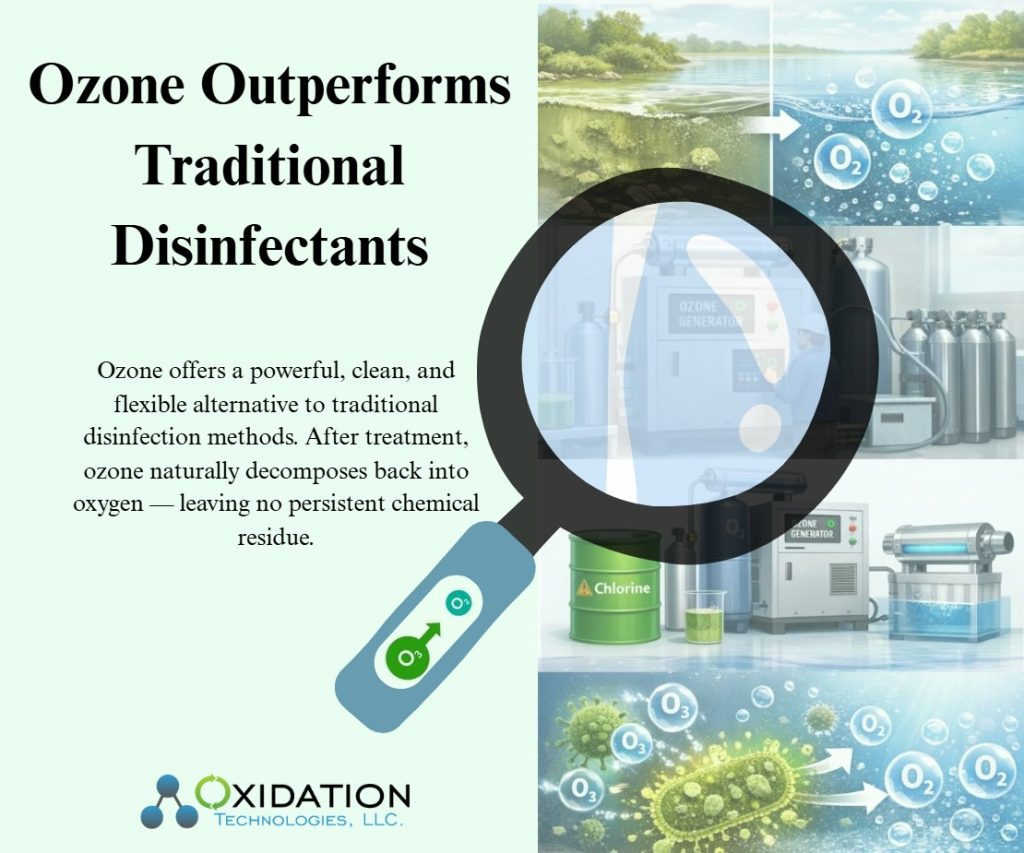
Harmful algae blooms are becoming a growing challenge for lakes, reservoirs, and drinking water sources around the world. As communities search for more effective and sustainable treatment methods, researchers are turning to an innovative technology with familiar roots: ozone.
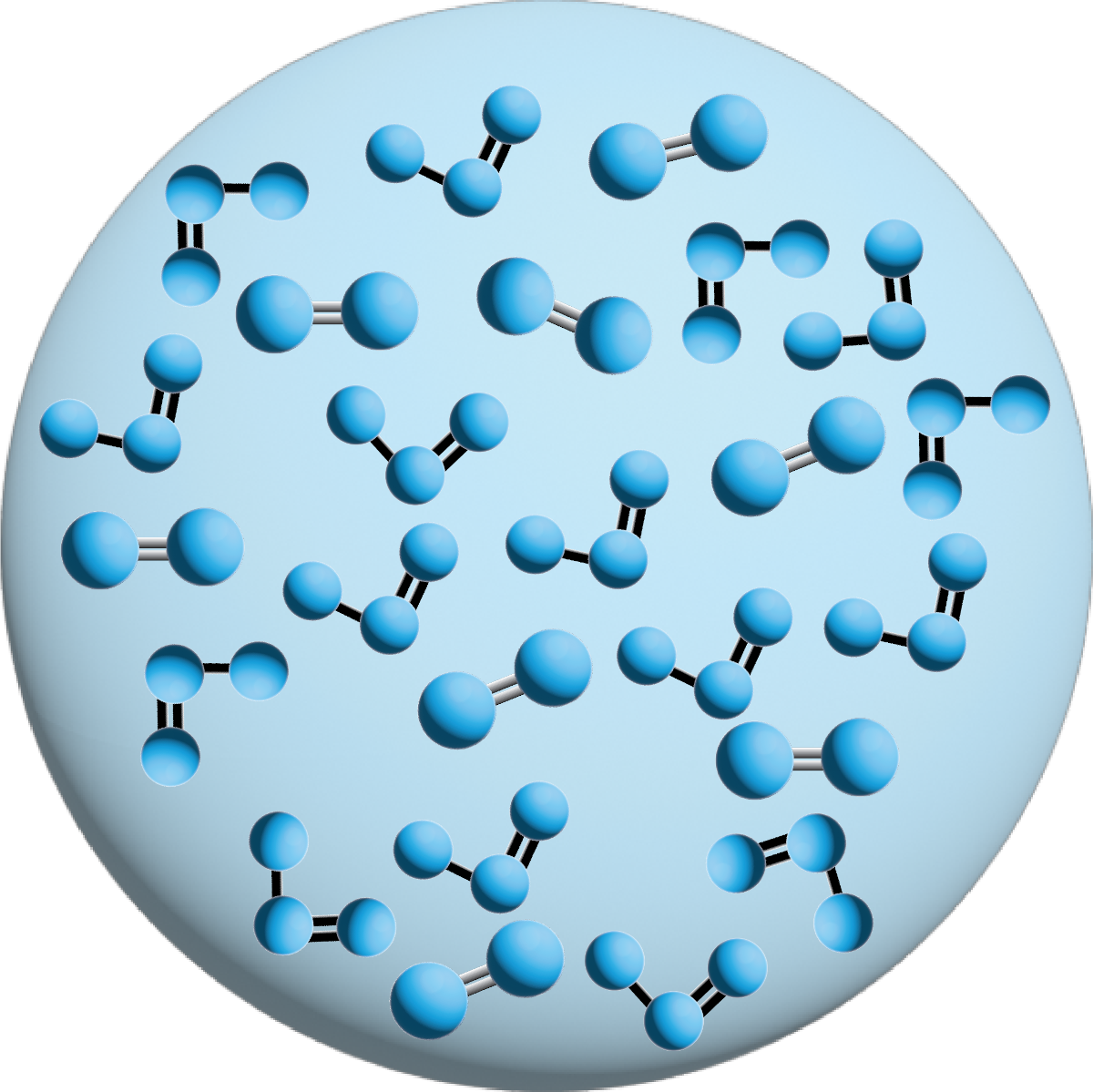
A recent feature from the New Jersey Institute of Technology (NJIT) highlights how researchers are using ozone nanobubbles to combat algae and improve water quality. Unlike traditional bubbles, nanobubbles remain suspended in water much longer, increasing contact time and improving the delivery of ozone where it’s needed most. Researchers say this can enhance oxidation, improve water clarity, and help reduce harmful algae blooms.
The research also points to another important advantage. While an initial ozone treatment can quickly improve water quality, long-term success depends on addressing the conditions that allow algae to grow in the first place. This reinforces what many in the water treatment industry already know: effective ozone systems are most successful when they are properly engineered and integrated into a complete treatment strategy.
At Oxidation Technologies, we’ve long recognized the power of ozone for water treatment applications. From municipal drinking water and wastewater treatment to industrial process water, ozone continues to be one of the most effective tools for oxidation and disinfection. Research like this demonstrates how new delivery methods, such as nanobubbles, are expanding the possibilities for ozone technology and opening new opportunities to improve water quality.
As harmful algae blooms become more common, it’s exciting to see continued innovation that builds on ozone’s proven performance. We look forward to following developments in this emerging field and how they may shape the future of water treatment.
Source: This blog is based on the NJIT News article, “Nanobubbles for Algae Cleanup: Q&A with NJIT Researcher Wen Zhang,” and related NJIT research on ozone nanobubble systems for algae and water remediation.
Nanobubbles for Algae Cleanup: Q&A With NJIT Researcher Wen Zhang | NJIT News