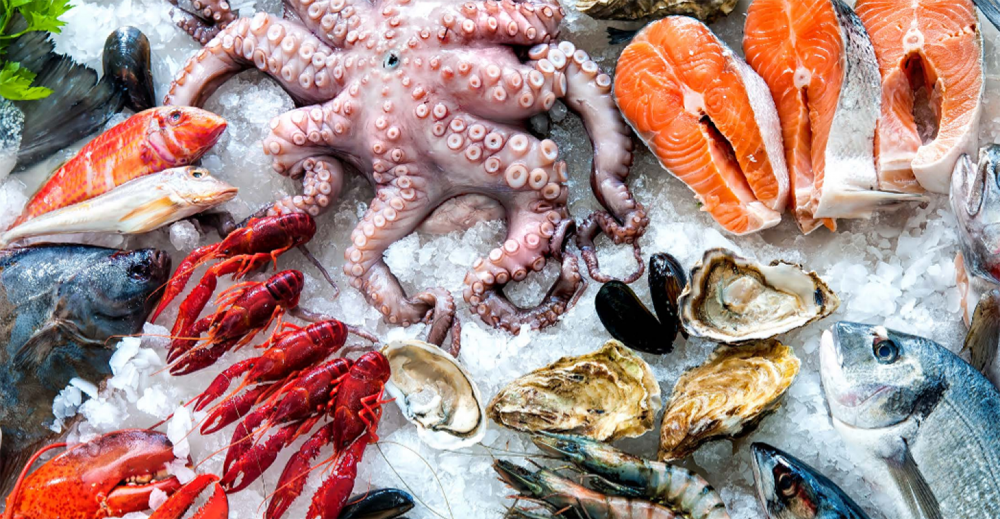
Ozone has become an invaluable tool in ensuring food safety within the seafood processing industry. Its applications span various areas, including aquaculture, storage of live seafood, ozonated ice, antimicrobial intervention, surface sanitation, and odor control. By incorporating ozone into seafood processing operations, the industry can achieve numerous benefits, ranging from disease prevention and improved water management in aquaculture to enhanced product quality, extended shelf life, and better odor control.
Historically, the seafood industry heavily relied on chlorine for sanitation purposes. However, chlorine has limitations in effectively eradicating bacteria on seafood surfaces and can lead to off-flavors and negative health effects. With the acceptance of ozone use in food production and its Generally Recognized as Safe (GRAS) approval, extensive research and implementation of ozone-based solutions have been facilitated in commercial seafood processing.
In aquaculture, ozone technology offers several advantages. It reduces water consumption by promoting water re-use, contributing to sustainability. Ozone helps mitigate the proliferation of pathogens and harmful microorganisms, leading to healthier fish populations and improved overall health and welfare of the aquatic species. Clean water conditions facilitated by ozone promote faster growth rates and optimal feed utilization, contributing to sustainable aquaculture practices.
For the storage of live seafood, ozone plays a crucial role in reducing bacterial and viral risks. By introducing ozone into storage water, cross-contamination can be minimized, ensuring the seafood reaches processing centers with lower bacterial loads. Ozone also helps maintain the quality and freshness of the seafood during transportation, reduces bacterial contamination, and enhances the safety and quality of the processed seafood products.
Ozonated ice, created by dissolving ozone in water and freezing it, provides continuous antimicrobial protection, regulates temperature, and prevents spoilage. It extends the shelf life of seafood, making it a valuable tool for preserving the freshness and quality of fish during transportation and storage. By adopting innovative solutions like ozonated ice, the seafood industry can meet consumer demands, reduce waste, and deliver superior products.
Ozone’s efficacy as an antimicrobial intervention in seafood processing has been well-documented. It has shown remarkable results in significantly reducing bacterial contamination, improving food safety, and reducing total plate counts. Incorporating ozone into various stages of seafood processing, including rinsing, pretreatment, and ice packing, enhances antimicrobial intervention and maintains higher quality standards throughout the production chain.
Ozone technology also finds applications in surface sanitation, where it effectively disinfects equipment and surfaces used in seafood processing plants. Its versatility and reliability make it a common choice for maintaining food safety standards, ensuring a hygienic environment for seafood production.
Moreover, ozone serves as an effective solution for odor control in the seafood processing industry. It neutralizes foul odors that may arise during processing operations, creating a more pleasant working environment for employees and mitigating potential complaints from neighboring communities. Ozone-based odor control measures reinforce better air quality and contribute to a harmonious work environment.
The adoption of ozone technology in the seafood processing industry showcases the industry’s commitment to food safety, sustainability, and efficient production practices. By harnessing the benefits of ozone in aquaculture, storage, antimicrobial intervention, surface sanitation, and odor control, seafood processors can ensure the delivery of fresh, safe, and high-quality products to consumers.
In conclusion, ozone has revolutionized seafood processing, offering a range of applications that enhance food safety, product quality, and sustainability. With ongoing research and advancements in ozone technology, the seafood industry can continue to leverage this valuable tool to meet the increasing demand for seafood while prioritizing resource conservation, disease prevention, and efficient production practices.
You can read more about these applications here: https://www.oxidationtech.com/applications/agri-food/ozone-in-seafood-processing.html