
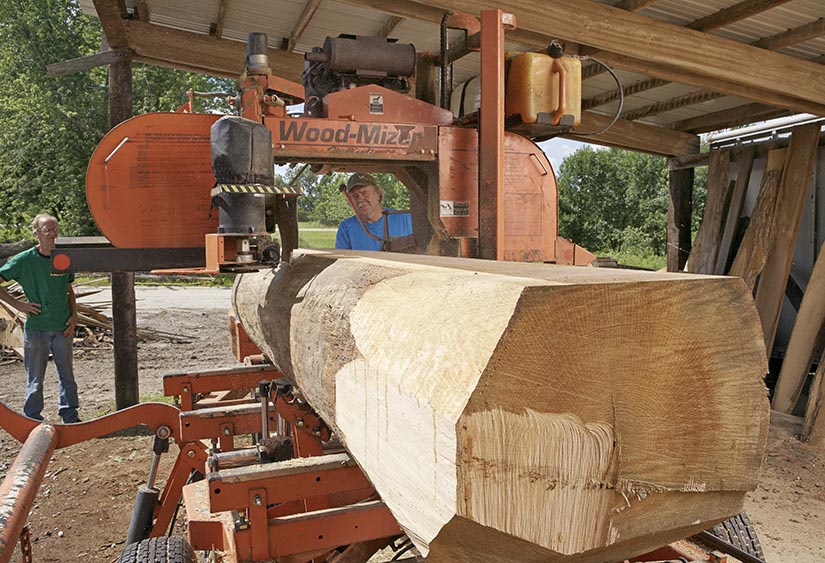
Sawmills have long been at the forefront of the lumber industry, transforming raw logs into useful lumber for construction, furniture, and various other applications. However, the traditional methods employed in sawmills have often had negative environmental consequences. In recent years, a remarkable innovation has emerged that promises to revolutionize the industry: the use of ozone. This powerful oxidizing agent offers numerous benefits, from enhanced wood preservation to reduced chemical usage and improved overall sustainability. In this blog post, we will explore how ozone is being utilized in sawmills to drive positive changes and create a greener future for the lumber industry.
Understanding Ozone
Before diving into the application of ozone in sawmills, let’s first understand what ozone is. Ozone (O3) is a naturally occurring molecule composed of three oxygen atoms. It is a powerful oxidizer that readily reacts with organic matter, making it an effective tool for various industrial applications. Ozone has been widely used in water treatment, air purification, and medical sterilization, and its potential in the lumber industry is now being recognized.
Enhanced Wood Preservation
One of the primary applications of ozone in sawmills is wood preservation. Traditionally, sawmills have relied on chemical treatments to protect lumber from decay, insects, and fungi. These treatments often involve the use of toxic substances, posing risks to workers, the environment, and potentially compromising the end product’s safety.
Ozone presents a sustainable alternative by harnessing its strong oxidizing properties to eliminate harmful organisms. The application of ozone gas or ozonated water to freshly cut or processed wood effectively kills bacteria, mold, fungi, and insects without leaving behind harmful residues. By replacing or reducing the reliance on conventional chemical treatments, sawmills can significantly reduce their environmental footprint while ensuring the longevity and quality of the wood products.
Improved Air Quality and Worker Safety
Sawmills are notorious for producing airborne pollutants such as volatile organic compounds (VOCs) and sawdust particles. These pollutants not only contribute to air pollution but also pose health risks to workers and nearby communities. Ozone technology offers a solution to mitigate these issues.
Ozone can be utilized in sawmill ventilation systems to eliminate or reduce harmful emissions. By oxidizing VOCs and airborne contaminants, ozone effectively neutralizes their harmful properties, improving air quality within the facility. Moreover, the reduction in VOC emissions also has positive implications for local air quality, benefiting the surrounding environment and communities.
Reduced Chemical Usage
Chemical treatments used in traditional sawmills often require significant quantities of toxic substances. These chemicals may not only pose risks during application but also contribute to environmental pollution when they eventually leach into the soil and water systems.
By incorporating ozone technology, sawmills can minimize their reliance on these chemicals. Ozone acts as a powerful disinfectant and can effectively replace or reduce the use of conventional pesticides, fungicides, and preservatives. This not only reduces chemical pollution but also provides a safer working environment for employees, who are no longer exposed to potentially hazardous substances during the treatment process.
Conclusion
The incorporation of ozone technology in sawmills represents a significant step forward in the quest for sustainable and environmentally responsible practices in the lumber industry. By utilizing the powerful oxidizing properties of ozone, sawmills can enhance wood preservation, improve air quality, reduce chemical usage, and ultimately contribute to a greener future.
As the world becomes increasingly conscious of the environmental impact of industrial processes, the implementation of ozone technology in sawmills offers a practical solution to address longstanding challenges. By adopting this innovative approach, sawmills can contribute to a more sustainable lumber industry while ensuring the continued supply of high-quality wood products. The positive impact of ozone in sawmills serves as a powerful testament to the potential of innovative technologies to shape a more sustainable future.