
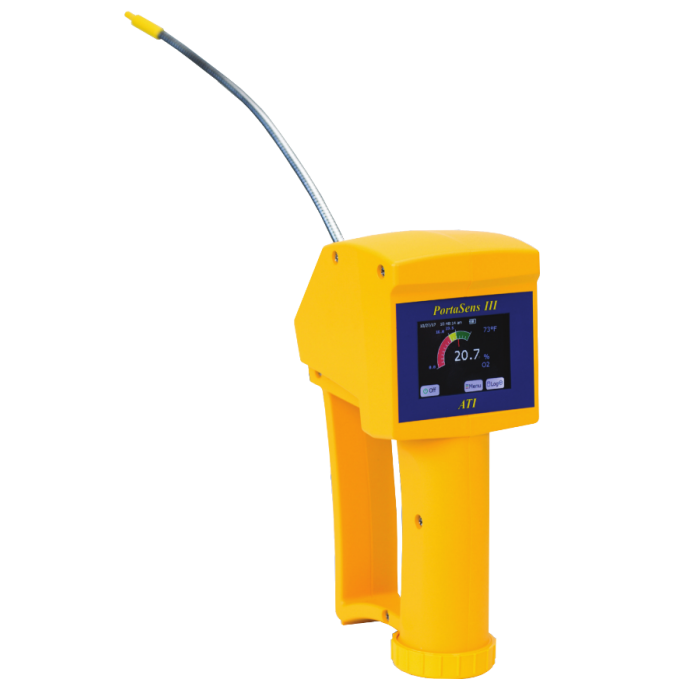
Ozone, a powerful oxidizing agent, is commonly used for air purification, odor removal, and disinfection. However, maintaining safe and effective ozone concentrations in occupied rooms requires precise measurement and monitoring. Due to the complex behavior of ozone in indoor environments, understanding its distribution and decay is crucial for ensuring occupant safety.
Why Measuring Ozone is Challenging
Ozone concentrations in a room can vary significantly depending on several factors. Below are key points that influence ozone distribution:
- Heaviness of Ozone
- Ozone is heavier than air, causing it to settle in lower areas of a room. Measurements at different heights can yield vastly different results.
- Non-Uniform Distribution
- Ozone does not behave like a gas that evenly fills a space. It tends to remain localized near its source, especially in areas with poor airflow.
- Surface Interactions
- Ozone clings to rough surfaces, such as fabrics, and breaks down when passing through narrow or obstructed pathways. This can reduce its concentration in some parts of the room.
- Decay Over Time
- Ozone naturally reverts back to oxygen, with a “half-life” typically ranging from 10 to 30 minutes. The decay rate depends on factors such as temperature, humidity, and the presence of reactive substances in the air.
- Measurement Interference
- Instruments measuring ozone can be affected by other oxidizing gases (e.g., chlorine, nitrogen oxides) or reducing gases (e.g., alcohol vapors, solvents). These can lead to overestimations or underestimations of ozone levels.
- Odor as a Poor Indicator
- While ozone has a distinct sweet smell, odor perception varies widely between individuals and under different environmental conditions. Smell alone cannot reliably indicate the presence or concentration of ozone.
The Most Important Metric
The key measurement for ozone in an occupied room is:
The ozone concentration at the breathing level where occupants are located.
This is typically around 4 to 6 feet above the floor, depending on whether individuals are seated or standing.
For HVAC Systems
If ozone is introduced via an HVAC system, measuring ozone concentration at the entrance to the return air duct is a practical alternative. This ensures that the air being recirculated remains within safe levels.
Best Practices for Measuring Ozone in Occupied Spaces
- Use Accurate, Reliable Instruments
- Select ozone sensors specifically designed to differentiate ozone from other oxidizing or reducing gases.
- Regularly calibrate instruments to ensure consistent accuracy.
- Measure at Multiple Locations
- Take readings at various points in the room, especially at breathing height and near potential sources of ozone.
- Consider areas with poor ventilation where ozone might accumulate.
- Account for Surface Effects
- Recognize that fabrics, carpets, and other porous materials can absorb and degrade ozone, affecting local concentrations.
- Monitor Over Time
- Because ozone levels fluctuate with changes in airflow, temperature, and humidity, continuous monitoring provides a more comprehensive picture.
- Evaluate Decay Rates
- Understand the half-life of ozone in the room to predict how quickly concentrations will decrease when the source is turned off.
- Ensure Adequate Ventilation
- Proper air circulation helps distribute ozone evenly and prevents excessive buildup in localized areas.
Safety Guidelines
For occupied rooms, ozone concentrations must remain below regulatory limits, such as those set by OSHA or EPA. The recommended threshold for long-term exposure is typically 0.1 parts per million (ppm). Prolonged exposure to higher concentrations can cause respiratory irritation and other health issues.
Conclusion
Measuring ozone in an occupied room is essential for maintaining a safe and comfortable environment. By understanding how ozone behaves, monitoring concentrations at critical locations, and using reliable instruments, you can ensure that your ozone applications are both effective and safe for occupants.
For more information on ozone measurement tools and best practices, feel free to contact us. Let’s work together to optimize your ozone systems for safety and efficiency.