
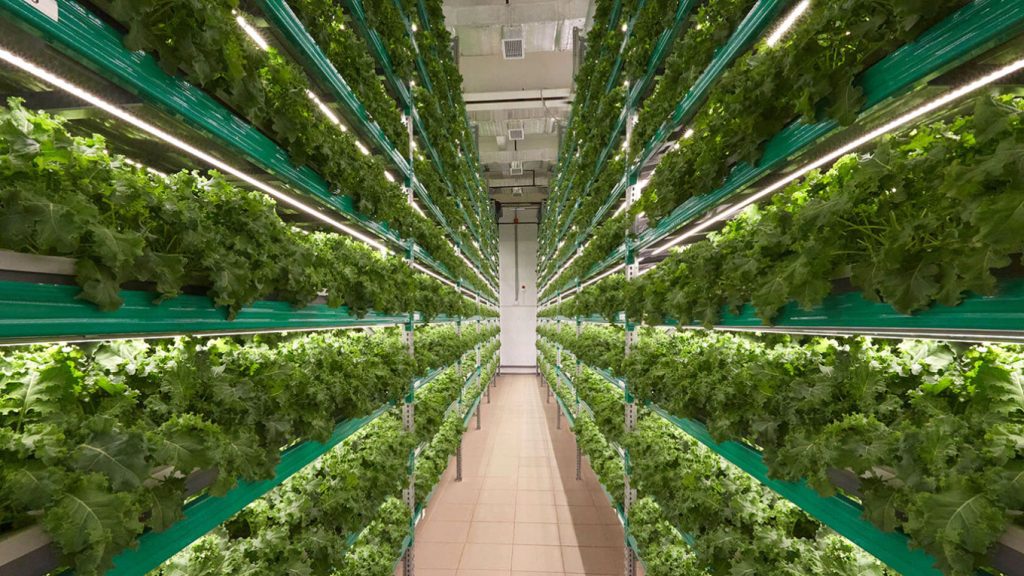
Vertical farming is transforming the future of agriculture by growing plants in vertically stacked systems—typically indoors and often without soil. These systems commonly rely on hydroponics, where plant roots are immersed in nutrient-rich water instead of soil. As this sustainable farming method expands, ozone has emerged as a powerful tool for improving efficiency, promoting plant health, and enhancing environmental safety.
Ozone, a naturally occurring molecule (O₃), is a potent oxidizer that can be used in multiple vertical farming applications—from water treatment to sanitation and plant health optimization.
Applications of Ozone in Vertical Farming
1. Water Treatment & Disinfection
- Bacteria and Pathogen Control: Ozone effectively kills bacteria, viruses, fungi, and protozoa in hydroponic systems. This dramatically reduces the risk of plant diseases and contamination within nutrient reservoirs.
- Biofilm Elimination: Organic buildup in pipes and tanks can lead to biofilm formation, reducing water quality and system efficiency. Ozone oxidizes this organic material, preventing and eliminating biofilms.
- Odor Control: Unpleasant smells caused by organic matter decomposition are neutralized by ozone, creating a more pleasant and hygienic growing environment.
- Well Water Purification: For farms using well water, ozone can disinfect and oxidize unwanted compounds like iron, manganese, and sulfides—ensuring safe, high-quality water for irrigation.
2. Enhancing Plant Health & Growth
- Higher Dissolved Oxygen (DO) Levels: Ozone is generated from oxygen and dissolves into water more readily than oxygen alone. Once in water, it quickly reverts back to oxygen, boosting DO levels. This is crucial for healthy root respiration and growth.
- Improved Nutrient Uptake: Ozone can oxidize certain nutrients, making them more bioavailable. This can result in increased yields, better crop quality, and more consistent plant performance.
- Stress Resistance: Emerging studies suggest that ozone may stimulate natural plant defense mechanisms, helping crops better withstand environmental stresses like heat, drought, or nutrient fluctuations.
3. Financial & Environmental Benefits
- Reduced Chemical Dependency: Ozone can replace harsh chemical disinfectants like chlorine, leading to a safer, cleaner, and more sustainable operation.
- Water Reuse & Conservation: Treated water can be safely recirculated in hydroponic systems, reducing overall water consumption and supporting eco-friendly farming practices.
- Organic Farming Compatibility: Since ozone leaves no harmful residues and breaks down into oxygen, it aligns well with organic agriculture principles and regulations.
Design & Safety Considerations
- Ozone Dosage Matters: While beneficial in correct doses, excessive ozone in water can damage plant roots or over-oxidize certain nutrients. Proper monitoring and control systems are essential.
- Air Safety Precautions: While ozone in water is safe, ozone gas in the air can pose respiratory hazards. Safety measures like leak detectors and ventilation controls are crucial when using ozone gas for sanitation or odor control.
Ozone System Integration in Vertical Farming
Example: Recirculating Hydroponic System
An ozone system can be integrated directly into a recirculating hydroponic irrigation system. Ozone is dissolved into water as it flows through contact tanks, eliminating harmful microbes before it reaches plant roots.
Example: Well Water Treatment with OXS-80
The OXS-80 ozone water system is a robust solution for disinfecting well water before it enters the hydroponic system. It treats incoming water in holding tanks, ensuring safe, clean water for crop use.
Example: Dual-Loop Ozone System for Water & Surface Sanitation
This custom OST Ozone System includes two separate injection loops—one for well water treatment and one for high-level ozone sanitation. A large 30-gallon contact tank ensures sufficient disinfection, while a smaller tank provides high dissolved ozone levels for surface sanitation.
- ORP sensors regulate ozone disinfection levels.
- Dissolved ozone meters ensure precise control in sanitation loops.
Example: Gas + Water Ozone Control System
This ozone system includes both water injection and gas output features, allowing for room disinfection, odor control, and surface sanitation. An HMI touchscreen panel enables centralized control of ozone outputs, timers, and safety sensors.
Conclusion
As vertical farming continues to evolve, ozone stands out as a versatile, sustainable, and powerful tool to improve plant health, reduce disease, and minimize environmental impact. When properly implemented, ozone can significantly boost productivity and enhance the safety and efficiency of modern hydroponic systems.
For more information or help designing an ozone system tailored to your vertical farming setup, contact our team.
You can find more information here: https://www.oxidationtech.com/applications/agri-food/vertical-farming-with-ozone.html