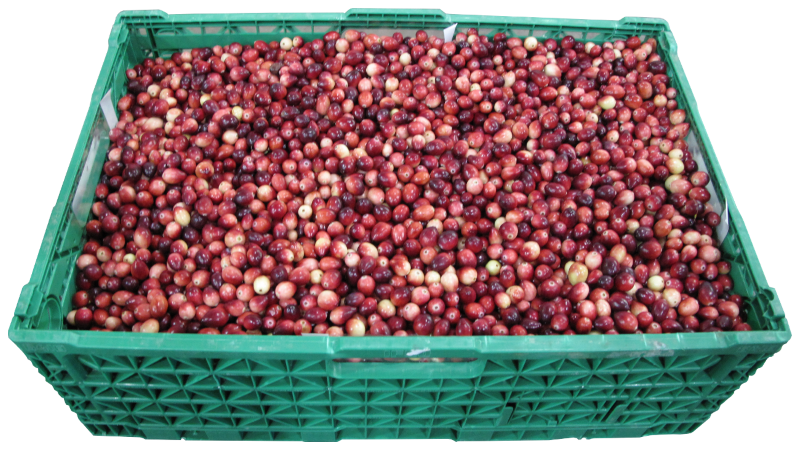
Ozone can be a valuable tool in the post-harvest processing and storage of a variety of edible berries. Its versatile applications in both aqueous and gaseous forms make it an effective solution for washing, disinfecting, and extending the shelf life of berries. This blog post explores the various applications of ozone in berry processing and highlights its benefits for the industry.
One of the primary uses of ozone in berry processing is washing and disinfection. By dissolving ozone into water, it can be used to clean berries after harvest, effectively inactivating bacteria, molds, yeasts, and other microorganisms present on their surfaces. This process reduces the risk of microbial contamination and extends the shelf life of the berries.
Surface sanitation is another crucial application of ozone. It can be applied as a surface treatment through aqueous ozone spraying or by exposing the berries to an ozone-rich environment. This treatment reduces the microbial load, including pathogens, on the surface of the berries, enhancing their safety and overall quality.
Berries are susceptible to mold and fungal growth, which can lead to spoilage and reduced shelf life. Ozone treatment inhibits the growth of molds and fungi, reducing the chances of decay and extending the freshness of the berries.
Additionally, ozone can be used to degrade and remove pesticide residues present on the surface of berries. By breaking down pesticides into harmless byproducts, ozone ensures the safety of the berries and helps meet regulatory standards.
Ethylene gas, produced naturally by fruits, can accelerate the ripening process. Ozone can remove ethylene from the storage environment, slowing down the ripening of berries and extending their shelf life.
Moreover, ozone oxidizes organic compounds present on the surface of berries, such as sugars and organic acids. This oxidation process reduces the substrate available for microbial growth, further enhancing the safety and quality of the berries.
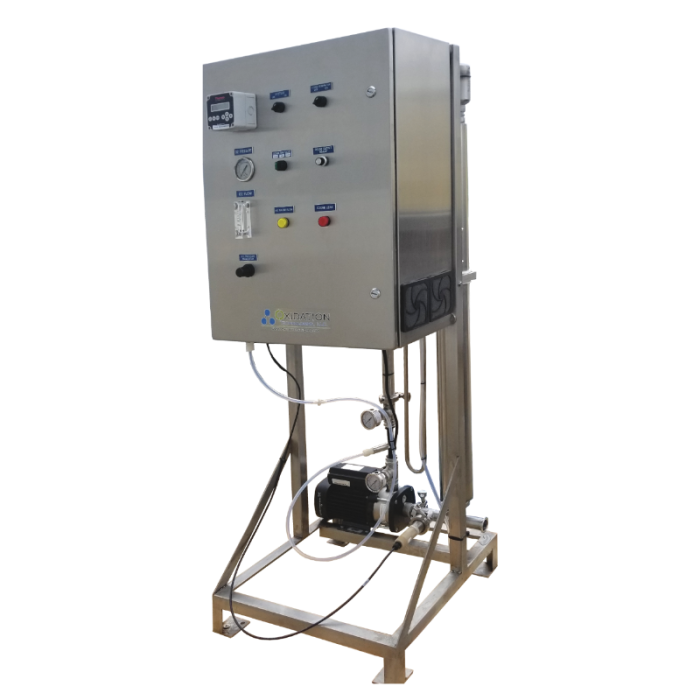
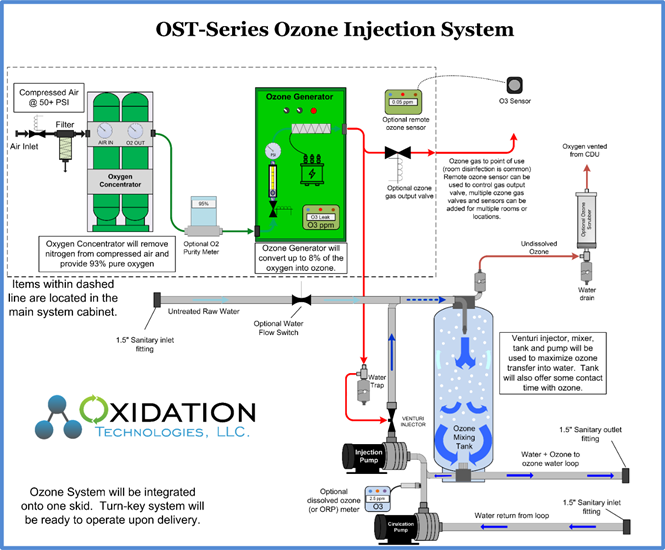
The ozone required for these applications is generated from ambient air using an ozone system. Oxygen from the air is captured and converted into ozone via corona discharge. The same ozone system can provide ozone in both aqueous form and gaseous form for storage, or it can be designed specifically for either application.
Aqueous ozone is used for washing and rinsing berries at any stage of post-harvest processing. It provides an effective anti-microbial intervention. On the other hand, gaseous ozone is introduced into the storage facility, where it helps reduce bacteria and mold levels in the air, thereby slowing the spoilage of berries. Ozone also reduces ethylene levels in the air, slowing the ripening process.
It is important to note that ozone should be used within appropriate concentrations and contact times to ensure effective microbial inactivation while avoiding any negative impact on the berries’ quality. Proper ozone management systems, including monitoring and control, should be implemented to ensure safe and efficient ozone application.
Ozone has received GRAS (Generally Regarded as Safe) approval from the USDA and FDA, making it permissible for use in all food applications in the USA with minimal additional regulation. It is also approved for use in organic food production, as recognized by the National Organic Program (NOP).
Furthermore, ozone offers potential water savings in food processing. It can be used in closed-loop water systems to disinfect water, minimize byproducts, and allow for water reclamation and reuse in the plant. This reduces water consumption, waste, and processing time.
To support the efficacy of ozone in post-harvest processing, several case studies have been conducted on various berries. These studies demonstrate the positive effects of ozone on extending shelf life, reducing microbial contamination, maintaining fruit quality, and preserving important phytochemicals.
In conclusion, ozone is a valuable tool in the post-harvest processing and storage of edible berries. Its applications in aqueous and gaseous forms provide effective washing, disinfection, and shelf-life extension. By implementing ozone systems and proper management practices, the industry can reduce spoilage, improve food safety, and enhance the overall quality of berries.
You can read more about this application here: https://www.oxidationtech.com/applications/agri-food/ozone-use-for-post-harvest-processing-of-berries.html
The OST-30 System can be found here: https://www.oxidationtech.com/ost-30.html