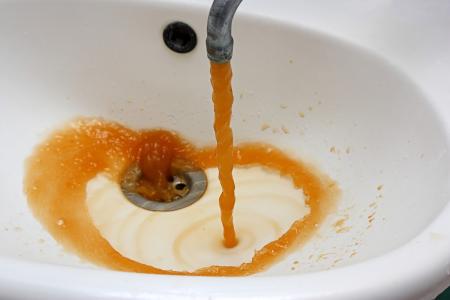
Tannins are dissolved organic materials that naturally occur when water passes through decaying vegetation such as leaves, bark, and roots. This process can cause water to take on a yellow or brown tint and develop an earthy or slightly bitter taste. While tannins are not harmful to human health, they can make water unpleasant to drink and cause other issues for both home and commercial users.
How Tannins Affect Water
Tannins can impact water quality in several ways:
- Color – Yellow or brown discoloration that deepens with higher tannin content.
- Taste – Slight bitterness that makes water less palatable.
- Odor – Musty or earthy smell.
- Staining – Discoloration of laundry, plumbing fixtures, and appliances.
- Water Softener Interference – Reduced efficiency of standard water softeners.
Traditional Methods for Removing Tannins
There are multiple ways to reduce or remove tannins from water:
- Activated Carbon Filtration – Adsorbs tannins effectively and improves taste and odor.
- Tannin Softeners – Exchange tannin ions with sodium ions for removal.
- Reverse Osmosis (RO) – Uses a semi-permeable membrane to filter tannins and other impurities.
While these methods work well, they are typically focused on removal after tannins are already in the water. Ozone treatment offers an alternative by breaking down tannins before they reach the final filtration stage.
Using Ozone to Oxidize Tannins
Ozone (O₃) is a powerful oxidizing agent capable of breaking down tannins into smaller, more easily removable molecules. When properly applied, ozone also disinfects water by killing bacteria, viruses, and other microorganisms—providing a dual benefit of oxidation and sanitation.
How it works:
- Ozone Generation – An ozone generator produces ozone gas.
- Injection into Water – The ozone is bubbled or injected into the water supply.
- Oxidation Reaction – Ozone reacts with tannin molecules, breaking them down into simpler compounds.
- Filtration – The water passes through a filter to remove oxidized tannin particles and any remaining impurities.
Advantages of Ozone for Tannin Removal
- Highly Effective – Quickly breaks down tannins for easier removal.
- Disinfects at the Same Time – Kills bacteria, viruses, and protozoa.
- No Harmful Residues – Ozone naturally reverts to oxygen after treatment.
- Improves Taste, Odor, and Appearance – Produces cleaner, better-tasting water.
Potential Drawbacks
- Reactive Gas – Must be handled and applied carefully.
- Byproduct Risk – Can form bromate if used in bromide-containing water.
- Cost – Ozone treatment systems require an upfront investment and ongoing maintenance.
Best Practices for Ozone Tannin Removal
- Work with a Professional – Proper system design ensures maximum oxidation while minimizing byproducts.
- Combine with Filtration – Ozone is most effective when paired with a post-treatment filter.
- Monitor System Performance – Regular maintenance keeps ozone systems operating safely and efficiently.
Conclusion
Ozone treatment is an effective, eco-friendly method for oxidizing tannins and improving water quality. By breaking down tannins before filtration, ozone not only removes discoloration and unpleasant taste but also disinfects the water—making it a versatile solution for homes, businesses, and municipal applications.
If you’re dealing with tannin-related water issues, consult with a qualified water treatment professional to determine if ozone oxidation is the right solution for your system.
You can find more information here: https://www.oxidationtech.com/applications/water-treatment/oxidize-tannins-from-water-with-ozone.html