
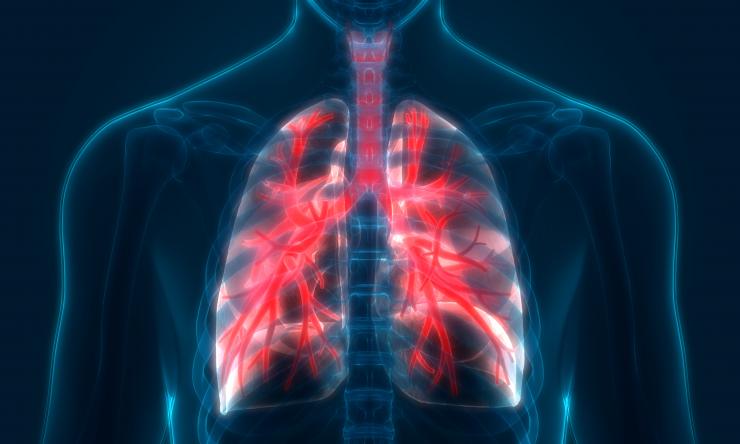
A recent study published in the Journal of Biomedical Research has unveiled the potential of medical ozone therapy as a treatment for sepsis-induced acute lung injury (ALI). The research highlights how ozone therapy enhances the clearance of neutrophil extracellular traps (NETs) through the activation of the AMP-activated protein kinase (AMPK)/scavenger receptor A1 (SR-A1) pathway, leading to improved survival rates and lung function in preclinical models. citeturn0search1
Understanding Sepsis and Acute Lung Injury
Sepsis is a life-threatening condition resulting from the body’s extreme response to infection, leading to widespread inflammation and potential organ failure. One of the severe complications of sepsis is acute lung injury (ALI), characterized by rapid-onset respiratory failure and high mortality rates. Traditional treatments often fall short, underscoring the urgent need for novel therapeutic strategies.
The Role of Neutrophil Extracellular Traps (NETs)
In the context of sepsis, the immune system releases structures known as neutrophil extracellular traps (NETs) to capture and neutralize pathogens. However, excessive NET formation can lead to heightened inflammation and tissue damage, exacerbating conditions like ALI. Therefore, regulating NET accumulation is crucial in managing sepsis-induced lung injuries.
Ozone Therapy: Mechanism and Efficacy
The study from Nanjing Medical University explored the effects of medical ozone therapy on sepsis-induced ALI. The findings revealed that ozone treatment activates the AMPK/SR-A1 pathway, enhancing the ability of macrophages to clear excessive NETs. This mechanism helps restore immune balance and reduce inflammation, leading to improved survival rates and better lung function in preclinical models. citeturn0search1
Implications for Future Treatments
If these promising results are replicated in human clinical trials, medical ozone therapy could revolutionize the management of sepsis-induced lung injury. By effectively reducing harmful inflammation and supporting lung function, ozone therapy may offer a viable treatment option for patients facing this critical condition.
Conclusion
The discovery of ozone therapy’s potential in treating sepsis-induced ALI marks a significant advancement in critical care medicine. As research progresses, this therapeutic approach could become a cornerstone in combating the devastating effects of sepsis on the lungs, ultimately improving patient outcomes and saving lives.
You can read the paper here: http://www.jbr-pub.org.cn/article/doi/10.7555/JBR.38.20240038