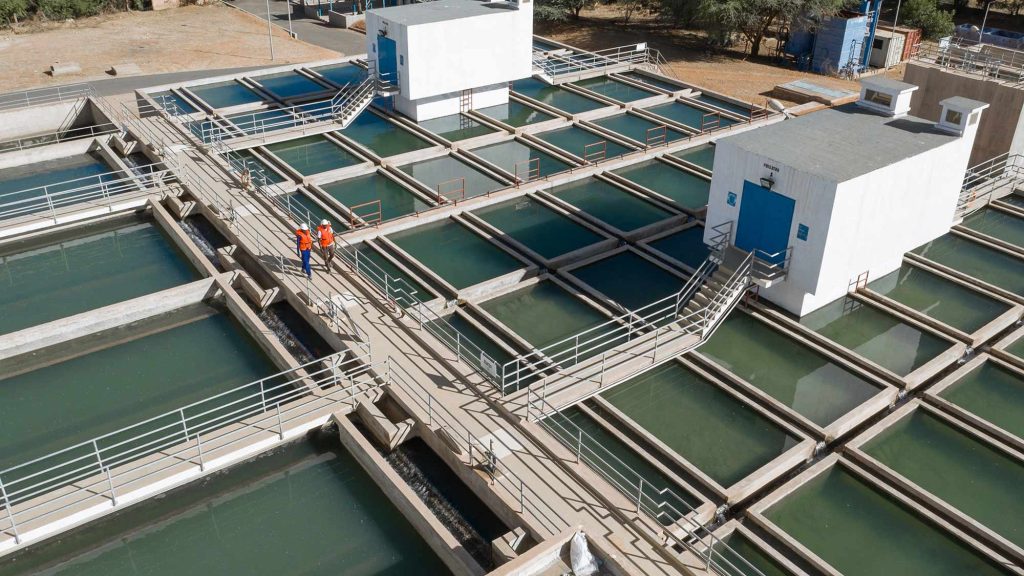
Oklahoma City is taking significant strides to ensure the safety and quality of its drinking water by upgrading the ozone disinfection system at the Hefner Water Treatment Plant (WTP). As part of the second phase of a $44 million improvement project, these upgrades will modernize the plant and enhance its capacity to meet the needs of the growing population.
A Milestone in Water Treatment Modernization
The project, which began in December 2023, is a crucial step in maintaining the city’s water quality and sustainability. According to Utilities Director Chris Browning, “Modernizing the Hefner Water Treatment Plant is a key step in ensuring we can meet current and future demands while maintaining our commitment to delivering safe, high-quality drinking water to all customers.”
Starting December 1, crews will temporarily shut down the plant’s ozone disinfection system for approximately five weeks. During this period, the plant will transition to a chlorine-based disinfection method. Although temporary, this method adheres to stringent U.S. Environmental Protection Agency (EPA) and Oklahoma Department of Environmental Quality standards, ensuring water safety remains uncompromised.
Why Upgrade the Ozone System?
Ozone disinfection has become a gold standard in water treatment, known for its effectiveness in neutralizing pathogens, removing contaminants, and improving the taste and odor of water. However, like all technology, ozone systems require updates to maintain their efficiency and comply with evolving regulatory and operational demands.
This $44 million project reflects Oklahoma City’s commitment to proactive water infrastructure management. Upgrading the ozone system not only ensures compliance with future regulations but also helps reduce reliance on chlorine, which can produce disinfection byproducts under certain conditions.
What It Means for the Community
While the transition to chlorine disinfection is temporary, it showcases the city’s ability to adapt and maintain water quality during critical infrastructure upgrades. Once completed, the modernized system will enhance the Hefner WTP’s capacity, providing residents with safe, reliable water for years to come.
The Broader Impact
Water infrastructure projects like this underline the importance of sustainable urban planning and the need for investment in essential services. As cities grow, so does the demand for clean, safe drinking water—a resource that requires continuous attention and innovation to secure for future generations.
Oklahoma City’s investment in the Hefner Water Treatment Plant not only improves local water quality but also serves as a model for other municipalities aiming to modernize their infrastructure.
Sources:
- KOKH. “Oklahoma City’s Hefner Water Treatment Plant to Upgrade Ozone System in $44M Project Phase.” Published November 27, 2024.
- U.S. Environmental Protection Agency (EPA). “Drinking Water Standards and Regulations.”
- Oklahoma Department of Environmental Quality. “Water Quality Standards and Resources.”