
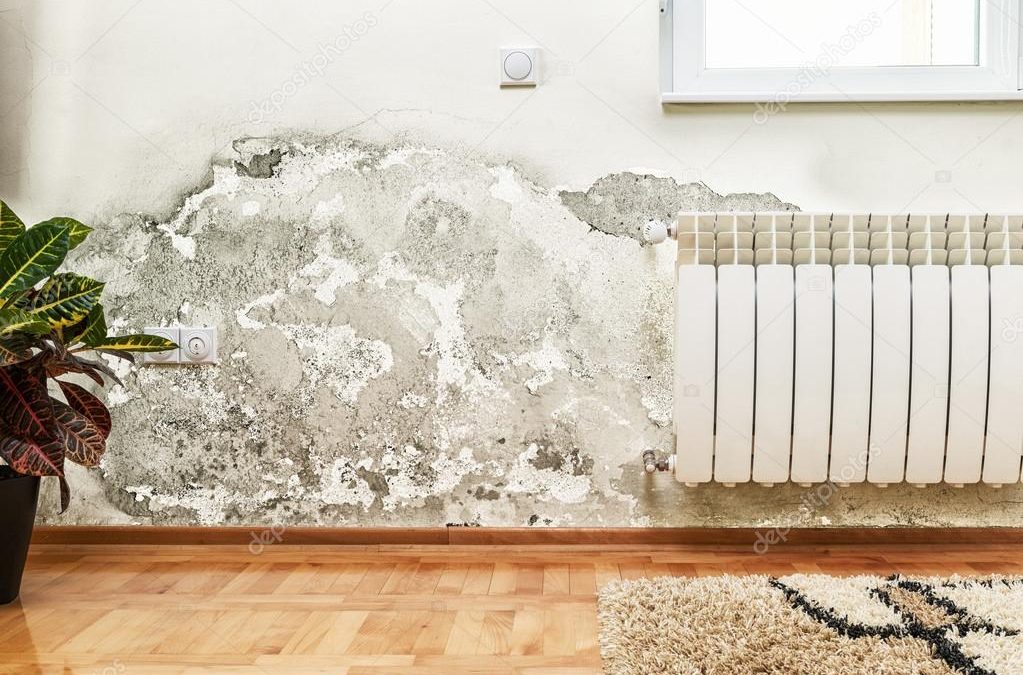
Mold is more than just an eyesore—it’s a serious threat to both human health and the structural integrity of buildings. Found in homes, schools, businesses, and healthcare settings, mold can be tough to eliminate once it takes hold. And while traditional methods can work, they often fall short—especially when mold hides deep within walls, ceilings, or ventilation systems.
That’s where ozone treatment offers a compelling solution.
Why Mold Is a Problem
Mold thrives in damp, dark, and humid environments, feeding on organic materials like wood, drywall, and insulation. As it grows, it releases microscopic spores into the air—spores that carry mycotoxins and other allergens. In enclosed environments, mold spores can circulate through HVAC systems, spreading contamination and contributing to a wide range of health problems.
Health Risks of Mold Exposure
- Respiratory issues: Coughing, wheezing, and asthma flare-ups
- Allergic reactions: Sneezing, runny nose, itchy eyes, skin rashes
- Chronic exposure effects: Sinus infections, fatigue, headaches, neurological symptoms
- Vulnerable populations: Children, elderly, and those with weakened immune systems
Structural and Financial Consequences
- Material degradation: Mold weakens drywall, wood framing, and ceiling tiles
- Hidden infestations: Mold behind walls or under floors can spread undetected
- Repair costs: Extensive mold damage may require major renovations or even rebuilds
What Causes Mold Growth?
Common contributors include:
- Leaky roofs, pipes, or windows
- Flooding or standing water
- Poor ventilation (especially in bathrooms, kitchens, and basements)
- High indoor humidity (above 60%)
Traditional Mold Remediation: The Gaps
Conventional approaches include removing mold-infested materials, applying chemical biocides, and improving moisture control. These are often necessary—but they’re not always enough. Physical removal doesn’t reach spores in hidden spaces, and chemical treatments may leave behind residues that cause irritation or further health concerns.
Ozone: A Cleaner, Deeper Approach to Mold Removal
Ozone (O₃) is a gas made of three oxygen atoms. It’s a powerful oxidizer—meaning it breaks down organic matter, including mold spores and mycotoxins, at the molecular level.
Here’s why ozone treatment stands out:
1. Penetrates Deeply
Unlike sprays or wipes, ozone gas fills the entire treatment space, including air ducts, behind walls, under floorboards, and inside porous materials. It goes where conventional cleaning can’t.
2. Destroys Mold Spores
Ozone oxidizes the cell walls of mold spores, neutralizing their ability to reproduce. It also helps break down toxic byproducts like mycotoxins.
3. Leaves No Residue
After doing its job, ozone reverts to ordinary oxygen (O₂). This means no lingering chemicals or cleanup required—just cleaner air and surfaces.
4. Improves Air Quality
Ozone also helps neutralize airborne bacteria, viruses, and odors, making it a multi-purpose treatment that leaves indoor spaces feeling fresher and safer.
How Ozone Treatment Works
A professional-grade ozone generator is placed in the contaminated space, and the area is sealed off. The generator runs for a set period—typically several hours—saturating the space with ozone. After treatment, the space is ventilated before re-entry. It’s critical that the treatment is done when people and pets are not present, as high concentrations of ozone can be harmful when inhaled.
Real-World Case Studies & Research
Several studies and field applications have demonstrated the effectiveness of ozone in mold remediation:
- Residential basements: Ozone eliminated visible mold and reduced spore counts in the air to safe levels within hours.
- Post-flood treatment: After water damage, ozone helped prevent mold regrowth in high-risk areas before rebuilding began.
- HVAC systems: Ozone cleared mold from ductwork where traditional cleaning couldn’t reach, improving indoor air quality.
Important Notes on Ozone Use
- Ozone is powerful but must be handled responsibly.
- Professional treatment is recommended for large infestations.
- All people, pets, and plants must be out of the space during treatment.
- After ozone treatment, allow the area to fully ventilate before reoccupying.
Final Thoughts
Mold is a persistent and potentially dangerous intruder in any building. While traditional methods can address the surface problem, ozone offers a deep, natural, and effective solution that targets mold at its root—without leaving behind toxins or residues.
If you’re dealing with mold or looking to prevent its return, ozone treatment may be the solution that restores your space—and your peace of mind.
You can find more information here: https://www.oxidationtech.com/applications/ozone-in-air/ozone-for-mold-elimination.html