
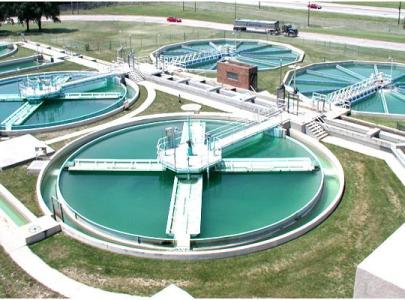
Ozone has played a vital role in municipal drinking water treatment in the United States for over 80 years. First implemented in the 1940s, ozone has become a trusted, effective, and environmentally friendly tool for water purification. As water treatment needs evolve and grow more complex, ozone continues to offer benefits that few other technologies can match.
A Longstanding History of Use in the U.S.
As of 2013, at least 277 municipal water treatment plants (WTPs) in the U.S. were using ozone for drinking water treatment. These plants, all with capacities exceeding 1 million gallons per day (MGD), collectively produce over 14.5 billion gallons of treated water daily, with more than 600,000 lbs/day of ozone generated for purification purposes.
Even more notably, at least 55 of these plants were upgraded with ozone technology after their initial construction—clear proof that ozone is not only effective, but also cost-efficient and adaptable for long-term use.
Ozone: Ideal for Large and Small Systems Alike
Historically, ozone has been adopted most widely by large-scale WTPs, with fewer than 30 of the 277 known plants treating less than 2 MGD. The average plant size using ozone grew dramatically—from just 5 MGD in 1984 to 80 MGD projected by 2020.
Yet despite ozone’s dominant presence in large WTPs, the biggest opportunity lies ahead in small and mid-sized systems.
The EPA estimates over 150,000 municipal water systems exist in the U.S., but fewer than 300 currently use ozone.
That’s a huge untapped market—and the growing demand for better disinfection, reduced chemical use, and more sustainable operations makes ozone an ideal fit.
At Oxidation Technologies, we specialize in ozone system integration for industrial and agricultural systems, giving us the expertise to scale these technologies for medium-sized municipalities with ease and efficiency.
Where Is Ozone Used—and Why?
Ozone is used in 42 states, with the highest concentration of systems in California and Texas, where water treatment demands are particularly intense due to large populations and diverse water sources.
Ozone is employed in municipal WTPs for a wide range of treatment objectives:
- Disinfection (effective against Giardia, viruses, and bacteria)
- Taste and odor control
- Reduction of chlorinated disinfection byproducts (DBPs)
- Color removal
- Sulfide oxidation
- Iron and manganese removal
- Total organic carbon (TOC) reduction
- Enhanced coagulation
As shown in usage data, disinfection has been the most consistent and growing use of ozone over time, while “Other” applications (a broad category that includes TOC, metals, sulfides, and more) have also seen steady growth.
The Future of Ozone in Water Treatment
The next frontier for ozone in municipal water treatment lies in tackling micropollutants and endocrine-disrupting chemicals (EDCs). These trace contaminants are increasingly found in source water and are resistant to conventional treatment methods.
EDCs such as hormones and pharmaceuticals pose long-term risks to aquatic ecosystems and human health. Ozone has proven effective in breaking down these complex molecules, making it one of the most promising tools for next-generation water treatment.
Ozone is effective against:
- Testosterone
- Estradiol
- Ethynylestradiol
- Carbamazepine
- Diclofenac
- Ibuprofen
- And more
With rising concerns about wastewater recycling, contaminant accumulation, and emerging pollutants, ozone offers a reliable and proven solution to help municipalities stay ahead of regulatory and environmental challenges.
Is Ozone Right for Your Water System?
Determining whether ozone is the best fit for your water system depends on several factors:
- Do you need a chemical-free pre-oxidation process?
- Are DBPs or chlorine residuals a concern?
- Is your system facing taste, odor, or color issues?
- Are you planning upgrades to meet emerging contaminant regulations?
If so, ozone may be the ideal solution.
Our team of experienced engineers is ready to help you assess your water quality challenges and determine if ozone is right for your treatment process.
Conclusion
Ozone has a rich legacy and a bright future in municipal water treatment. From large city plants to medium-sized and rural systems, ozone continues to deliver results that other technologies can’t match—efficient disinfection, low chemical footprint, and superior contaminant control.
You can find more information here: https://www.oxidationtech.com/applications/water-treatment/municipal-water.html