Ozone is widely used in water treatment for disinfection and organic pollutant removal and is also effective for ammonia (NH3-N) removal, particularly in wastewater and polluted source water. Ammonia, a key nitrogenous pollutant, contributes to eutrophication, oxygen depletion, and toxicity in aquatic ecosystems, making its removal critical for environmental compliance and water quality. While ozone alone has limited direct reactivity with ammonia, its integration with biological processes or advanced oxidation processes (AOPs) significantly enhances ammonia removal efficiency.
Introduction
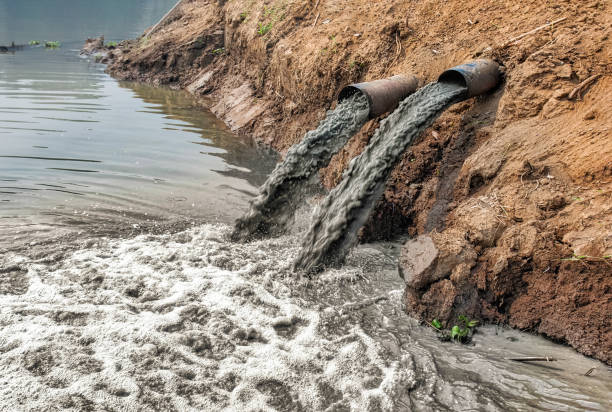
Ammonia is a common water quality problem found in municipal wastewater, industrial processes, aquaculture systems, and polluted source water. High ammonia levels can harm aquatic life, contribute to algae growth, and make it difficult to meet discharge regulations.
While ozone is widely known for disinfection and oxidation, many people are surprised to learn that it can also play an important role in ammonia removal.
Why Ammonia Is a Problem
Ammonia is a nitrogen compound that can enter water from wastewater, agricultural runoff, food processing, and industrial operations. When ammonia levels become too high, it can:
- Harm fish and aquatic organisms
- Reduce oxygen levels in water
- Contribute to algae blooms
- Create regulatory compliance challenges
Because of these concerns, many facilities are looking for effective and sustainable ways to reduce ammonia concentrations.
How Ozone Helps
Ozone can help remove ammonia in two ways.
First, ozone can directly oxidize ammonia under certain conditions. While this process can be effective, it is typically most successful at higher pH levels.
More commonly, ozone is used alongside biological treatment systems such as Biological Activated Carbon (BAC) or biofilters. In these systems, ozone improves water quality and creates conditions that help beneficial bacteria convert ammonia into less harmful compounds. This combination often delivers much higher removal rates than biological treatment alone.
Proven Results
Studies have shown that ozone combined with biological filtration can achieve ammonia removal rates of 80% to 90%. In many cases, ammonia concentrations have been reduced from several milligrams per liter to below regulatory limits.
These systems have been successfully applied in:
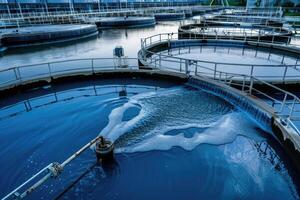
- Municipal wastewater treatment
- Industrial wastewater treatment
- Aquaculture systems
- Drinking water treatment facilities
Benefits of Ozone for Ammonia Removal
Ozone offers several advantages compared to traditional treatment methods:
- High ammonia removal efficiency
- No chemical residuals left behind
- Improved biological treatment performance
- Reduced chemical handling and storage
- Environmentally friendly operation
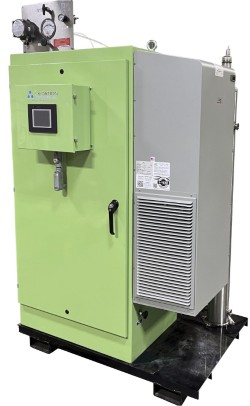
- On-site generation from air or oxygen
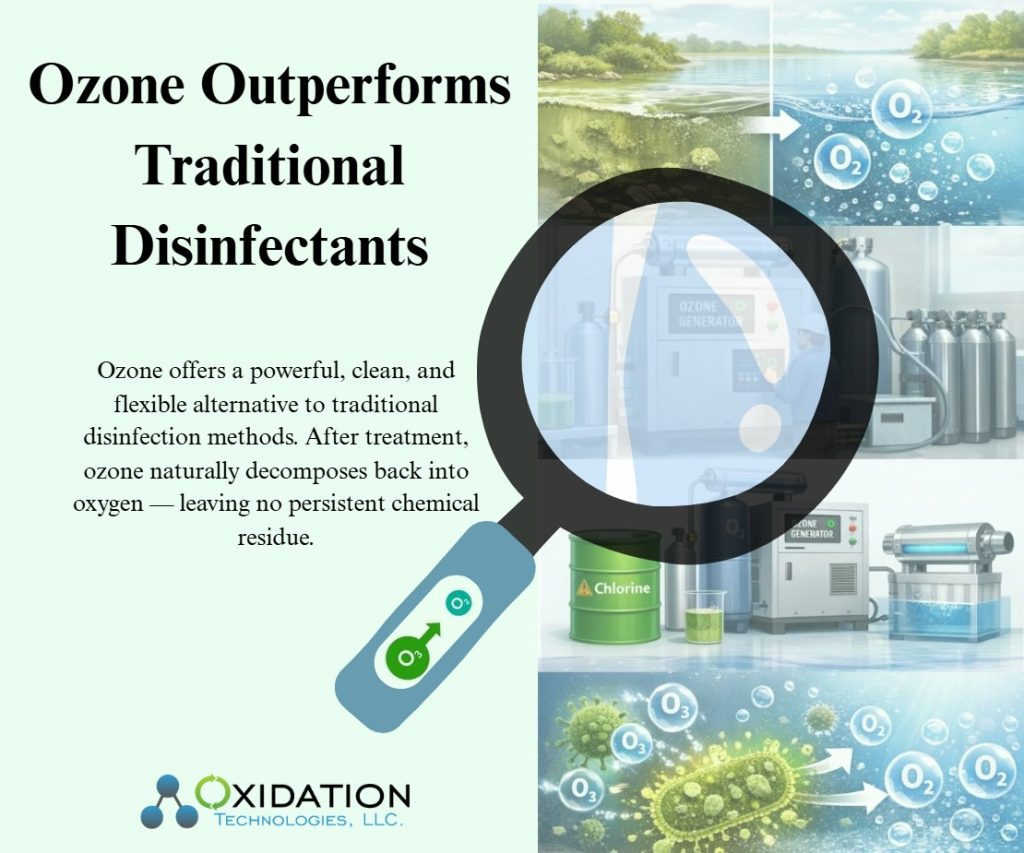
Because ozone naturally breaks down into oxygen, it does not leave behind harmful chemical residues commonly associated with some alternative treatment methods.
Is Ozone the Right Solution?
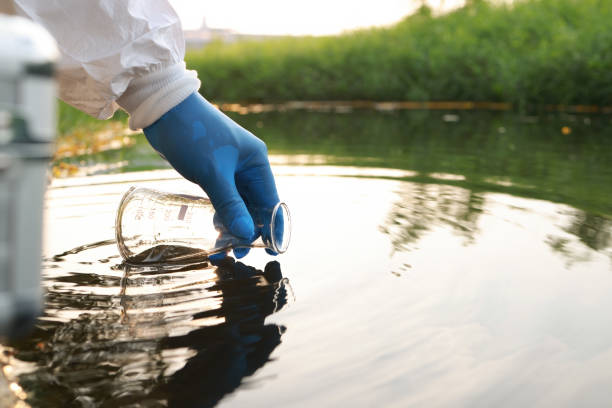
Every water treatment application is different. Water chemistry, ammonia concentration, flow rate, and treatment goals all impact system design. In many cases, pilot testing can help determine the most effective ozone dosage and treatment approach.
While ozone is not always a standalone solution for ammonia removal, it has proven to be a powerful tool when integrated into a complete treatment process. For facilities looking to improve water quality, reduce chemical usage, and meet increasingly strict regulations, ozone can be an effective and sustainable option.
Learn More
Whether you’re treating municipal wastewater, industrial process water, or aquaculture systems, ozone technology continues to provide innovative solutions for ammonia reduction. With proper system design and testing, ozone can help facilities achieve cleaner water and improved environmental performance.
Additional Resources