
When designing or maintaining ozone systems, material compatibility is critical. Ozone is a powerful oxidizing agent, capable of degrading materials that are not properly selected. Using the wrong materials can lead to leaks, system failures, and safety hazards, while choosing the right materials ensures longevity and reliable performance.
Good Materials for Ozone Systems
Materials that resist ozone oxidation and degradation include:
- Teflon (PTFE, FEP, PFA)
- 316 Stainless Steel
- Viton
- Silicone
- CPVC
- Kynar (PVDF)
These materials can be used without concern for ozone concentration or type of application. They are suitable for dry ozone gas, wet ozone gas, or ozone dissolved in water.
Materials to Avoid with Ozone
Some materials are highly susceptible to ozone damage and should never be used in ozone applications:
- Buna-N (Nitrile)
- Nylon
- Mild Steel
- Cast Iron
- Acetal
- Natural Rubber
Using these materials can lead to rapid deterioration, leaks, or catastrophic failures.
Key Considerations for Material Selection
1. Ozone Concentration
High ozone concentrations accelerate material degradation. Industrial ozone generators can produce 5% ozone gas or higher, while water treatment systems may deliver 2 ppm or more in solution. At high levels, only top-quality materials should be used.
2. Type of Ozone Exposure
Materials react differently depending on exposure:
- Dry ozone gas
- Wet ozone gas (off-gas)
- Ozone dissolved in water
Components must be selected based on the type of ozone exposure in your system.
3. Wet vs. Dry Ozone
- Wet ozone often reacts faster with certain materials due to moisture facilitating oxidation.
- Dry ozone can oxidize surfaces more slowly, but long-term exposure can still degrade weaker materials.
4. Testing and Verification
While charts provide general guidance, testing in your specific application is often the best method to confirm material compatibility. Observing how the material performs under expected ozone concentrations, temperatures, and exposure conditions ensures safety and reliability.
5. Consider Normal Oxidation Resistance
A simple rule of thumb: materials that withstand normal oxidation outdoors or chlorine exposure in water tend to perform better with ozone. Materials that degrade under these conditions will degrade faster with ozone.
Visual Examples
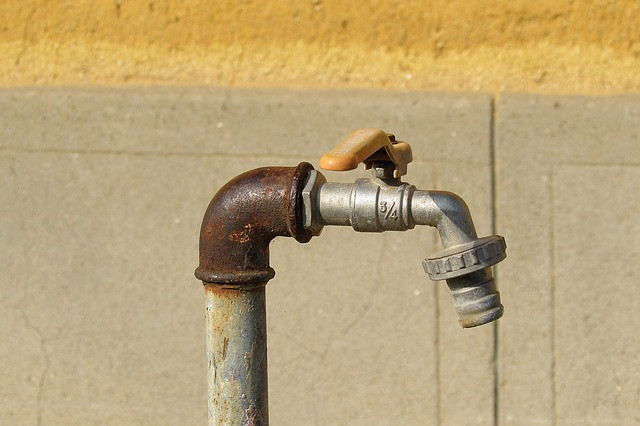
Oxidized pipe fittings are an easy way to see the difference between ozone-resistant and ozone-vulnerable materials. Components that oxidize quickly are usually lower-quality materials and should be avoided.
Resources for Further Information
- Durability test results of construction and process materials exposed to liquid and gas phase ozone
- Ozone resistance chart from EcoSensors – Tech Tip
- Complete ozone-resistant materials chart
Choosing the right materials for ozone systems is crucial for safety, longevity, and efficiency. Always prioritize high-quality ozone-resistant materials and test where possible to ensure your system performs reliably over time.
You can find more information here: https://www.oxidationtech.com/ozone/ozone-basics/ozone-resistant-materials.html