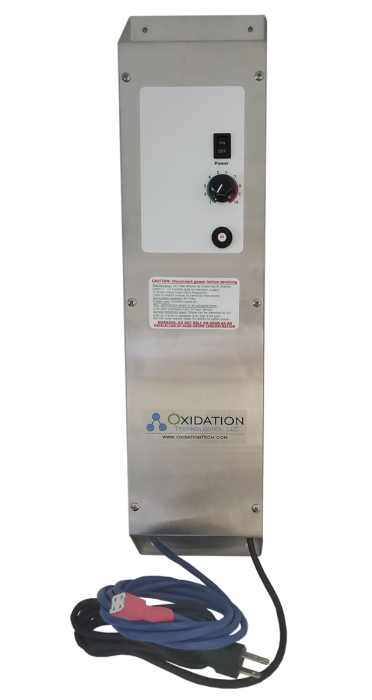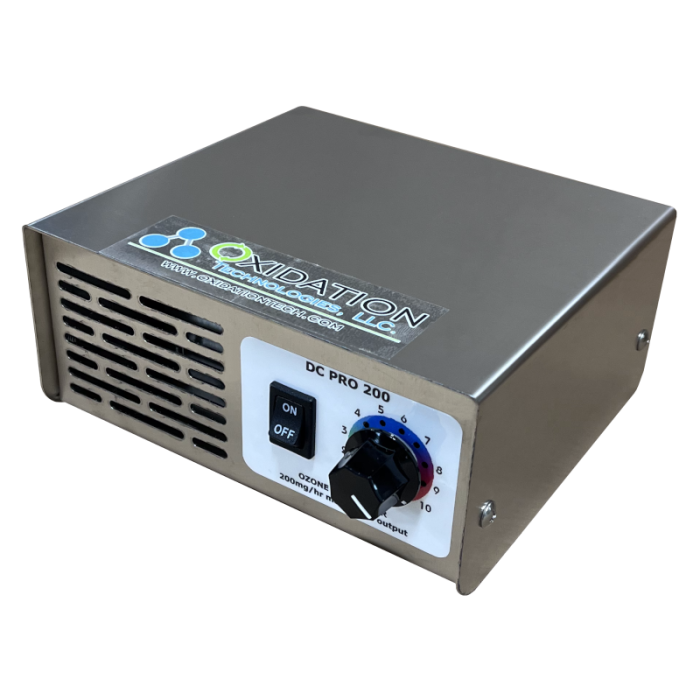

Composting is an eco-friendly method to recycle organic waste, but it often comes with the challenge of managing unpleasant odors. Traditional odor control methods, such as biofilters and chemical scrubbers, have limitations in efficiency and environmental impact. Enter ozone—a powerful oxidant offering a promising alternative for effective and sustainable odor mitigation in composting operations.
The Science Behind Ozone’s Odor-Eliminating Power
Ozone (O₃) is a triatomic molecule known for its strong oxidative properties. When introduced into composting environments, ozone reacts with odor-causing compounds like hydrogen sulfide, ammonia, and volatile organic compounds (VOCs), breaking them down into less offensive or odorless substances such as carbon dioxide and water vapor .
Unlike masking agents that merely cover up odors, ozone neutralizes them at the molecular level. This makes ozone an effective solution for tackling persistent odors in composting facilities.

Real-World Applications: Success Stories
Greenwood Mushroom Farm, Ontario, Canada
Facing community complaints and legal challenges due to odors from their composting operations, Greenwood Mushroom Farm implemented an ozone-based odor control system. The system integrated ozone generators with the facility’s ventilation, effectively reducing odorous emissions. Independent studies confirmed significant reductions in sulfur compounds, leading to improved community relations and the dismissal of lawsuits .
University of British Columbia Study
In collaboration with the British Columbia Ministry of Agriculture, researchers at the University of British Columbia tested ozone treatment on mushroom composting odors. Odor panel assessments revealed that untreated samples required dilution rates of 1,701–3,043 to become non-offensive, whereas ozone-treated samples required only 209–264, indicating a substantial decrease in odor intensity.
Advantages of Ozone in Composting Odor Control
- Rapid Action: Ozone reacts quickly with odorous compounds, providing immediate odor reduction.
- Chemical-Free: Generated on-site, ozone eliminates the need for storing and handling hazardous chemicals.
- Environmentally Friendly: Ozone decomposes back into oxygen, leaving no harmful residues.
- Cost-Effective: With advancements in ozone generation technology, operational costs have decreased, making it a viable option for large-scale composting facilities .
Considerations and Best Practices
While ozone is effective, it’s essential to design systems that ensure proper mixing and contact time between ozone and odorous gases. Safety measures must also be in place, as high concentrations of ozone can be harmful to humans. Implementing controlled ozone dosing and ensuring adequate ventilation are critical for safe and efficient operation.
Conclusion
Ozone presents a compelling solution for composting odor control, combining efficiency with environmental responsibility. As composting facilities seek sustainable and effective odor mitigation strategies, ozone technology stands out as a proven and adaptable approach.
For more information on implementing ozone systems in composting operations, contact Oxidation Technologies.
You can read the entire article here: https://wasteadvantagemag.com/using-ozone-for-composting-odor-control/