
How Does a Corona Discharge Ozone Generator Work?
The heart of every ozone system is the ozone generator. Ozone (O₃) is created from oxygen (O₂) in nature and in ozone generators for commercial or industrial applications. However, ozone (O₃) quickly reverts back to molecular oxygen (O₂). Ozone cannot be stored due to its short half-life and must be produced on-site and on-demand. Therefore, the ozone generator is the most important component of any successful ozone system.
Industrial and commercial ozone applications use corona discharge ozone generators almost exclusively. While there are many variations of the fundamental corona discharge principle, they all operate on the same core concept: a diffused electrical discharge through a dielectric material to create a corona discharge and generate ozone.
Fundamentals of Corona Discharge
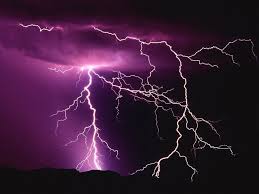
Ozone is produced from electrical discharge—commonly referred to as a spark. Large amounts of ozone are naturally produced by lightning during thunderstorms, which is one reason for the “fresh” smell you notice after a storm.
Any electrical discharge or spark can create ozone. The spark splits the oxygen molecule (O₂) found in ambient air into elemental oxygen (O). These oxygen atoms quickly bind to another oxygen molecule (O₂) to form ozone (O₃).
Energy Required for Ozone Generation:
- 0.82 kWh of electrical power per 1 kg of ozone generated
- 0.372 kWh of electrical power per 1 lb of ozone generated
In actual ozone production, 10–20 times the theoretical energy is often required due to inefficiencies.
In a corona discharge ozone generator, electrical discharge occurs in an air gap within the corona cell. A dielectric is used in this gap to spread the electron flow and increase contact with the oxygen molecules, enhancing ozone production.
Dielectric Used to Create Corona
A single spark between an anode and cathode may only affect a few oxygen molecules. A dielectric barrier spreads this spark into a broader area—creating a “corona” and significantly increasing ozone production.
High Voltage Transformer
A transformer boosts voltage (typically 600–20,000 volts) to allow current to jump through the dielectric material and air gap, producing ozone efficiently as oxygen passes through.
Cooling
High-voltage corona discharge creates significant heat. This heat must be dissipated to maintain efficient ozone production, as high temperatures reduce the half-life of ozone. Ozone generators are typically air-cooled or water-cooled to manage this heat.
Feed Gas
Ozone is produced from oxygen, which is about 20% of ambient air. While air can be used, pure or concentrated oxygen significantly boosts ozone output. Many systems use oxygen concentrators to improve efficiency.
Clean, dry air or oxygen is essential to prevent harmful by-products during ozone generation.
Terminology
Corona discharge ozone generators may also be called:
- Cold plasma
- Plasma generators
- Cold corona
- Dielectric barrier discharge (DBD) generators
Despite the various names, they all use the same basic technology.
Components of a Corona Discharge Ozone Generator
All corona discharge ozone generators typically include:
- Dielectric Material: Spreads spark into a corona
- Glass
- Ceramic
- Quartz
- Mica
- Corona Cell: Houses dielectric, anode, and cathode
- Can feature flat plates or conical tubes
- Constructed from ozone-resistant materials like stainless steel or aluminum
- High Voltage Transformer: Increases voltage to required levels
- Power Supply: Controls voltage and/or frequency
- 60 Hz units regulate voltage only
- High-frequency units (above 60 Hz) regulate voltage and frequency
You can find this product here: https://www.oxidationtech.com/ozone/ozone-generation/corona-discharge.html