From Grain to Greatness: How Ozone Transforms Flour Milling
Understanding Ozone in Flour Milling
Flour milling is a critical part of the food supply chain, and keeping it clean and safe is essential. One of the most exciting technologies helping with this is ozone—a powerful, natural sanitizer that’s changing how we process grain and flour.
What Is Ozone?
Ozone (O₃) is a gas made of three oxygen atoms. It’s found naturally in the atmosphere and is known for its ability to kill bacteria, mold, and viruses. In flour milling, ozone is used to clean grain, equipment, and even the flour itself—without leaving any harmful residue.
Why Use Ozone in Flour Milling? Here are a few reasons why ozone is becoming popular in milling:
- Kills germs and pests: Ozone destroys bacteria, fungi, and insects that can spoil grain or make people sick.
- No chemicals left behind: After doing its job, ozone turns back into oxygen.
- Safe and approved: It’s recognized as safe by food safety agencies like the FDA and USDA.
- Better flour quality: Ozone can improve the color and baking performance of flour.
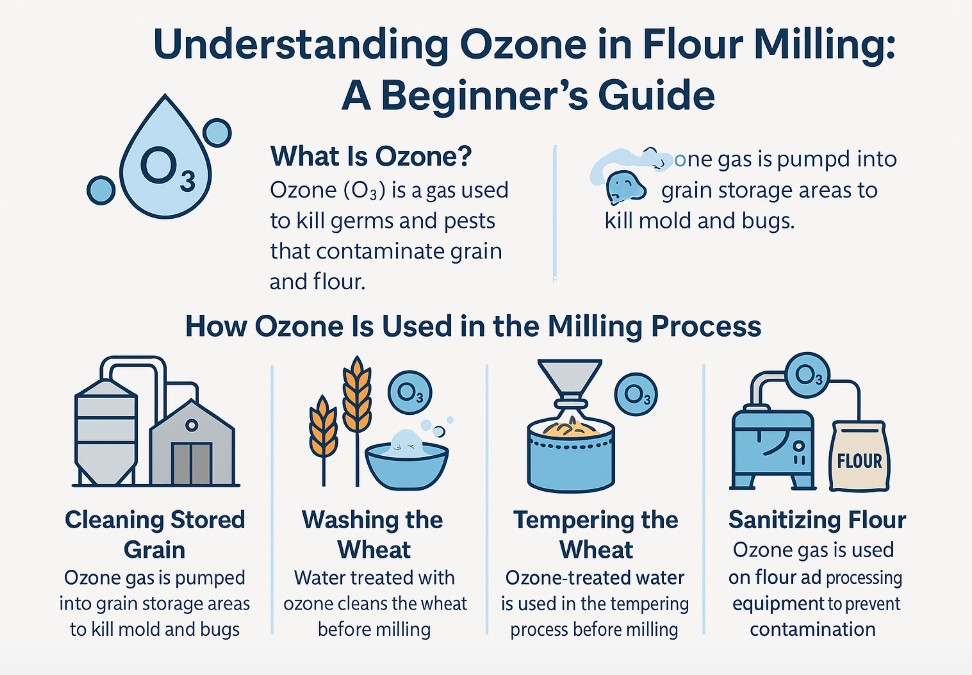
How Ozone Is Used in the Milling Process
Let’s walk through how ozone helps at different stages of flour production:
1. Cleaning Stored Grain
Before milling, grain is stored in bins or silos. Ozone gas is pumped into these areas to kill mold and bugs.
- Reduces harmful fungi and mycotoxins.
- Keeps grain fresh and safe.
2. Washing the Wheat
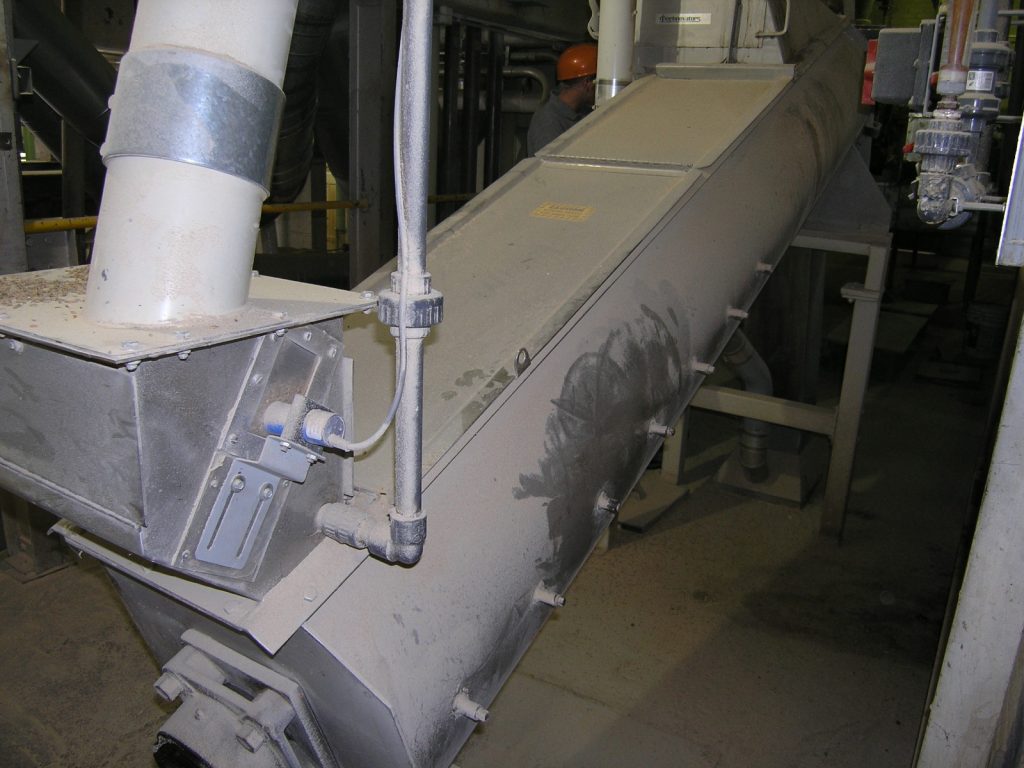
Wheat is washed before it’s milled. Instead of using chlorine, mills use water treated with ozone.
- Cleans the wheat surface.
- Reduces bacteria and improves hygiene.
3. Tempering the Wheat
Tempering means adding water to wheat before milling. Ozone-treated water is used here too.
- Sanitizes the wheat.
- Prepares it for smoother milling.
4. Sanitizing the Flour
After milling, ozone gas can be used to clean the flour and equipment.
- Keeps flour safe from contamination.
- Improves flour color and baking quality.
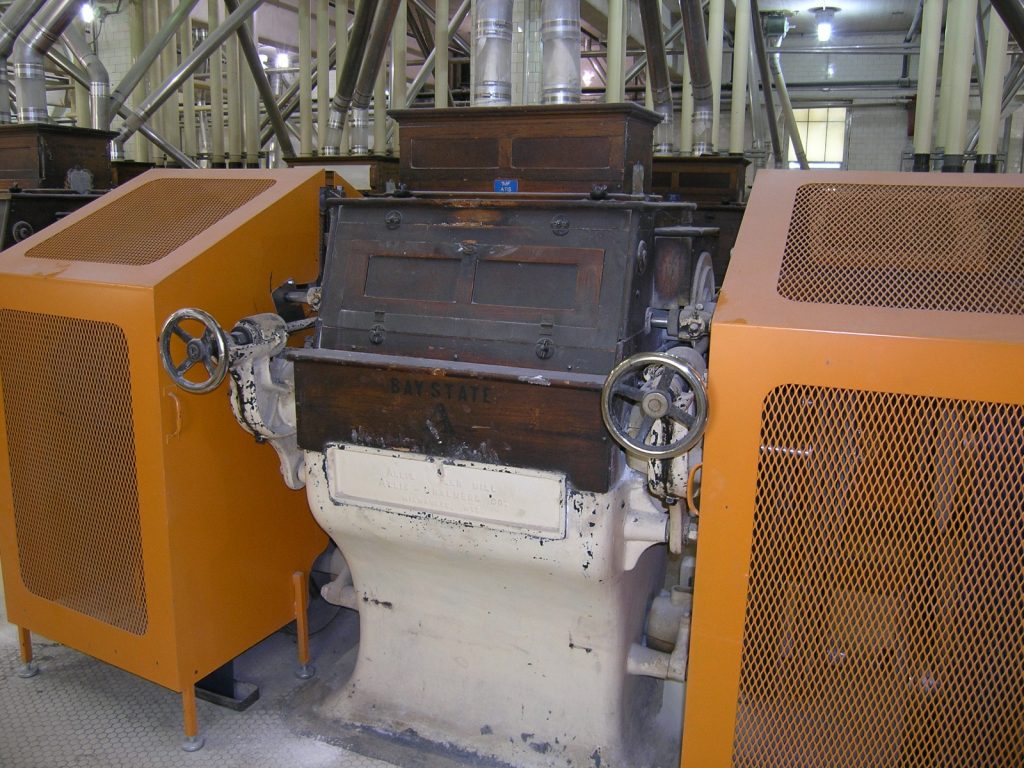
What Equipment Is Used?
In a typical flour mill using ozone, you’ll find:
- Ozone Generators: Machines that make ozone from air or oxygen.
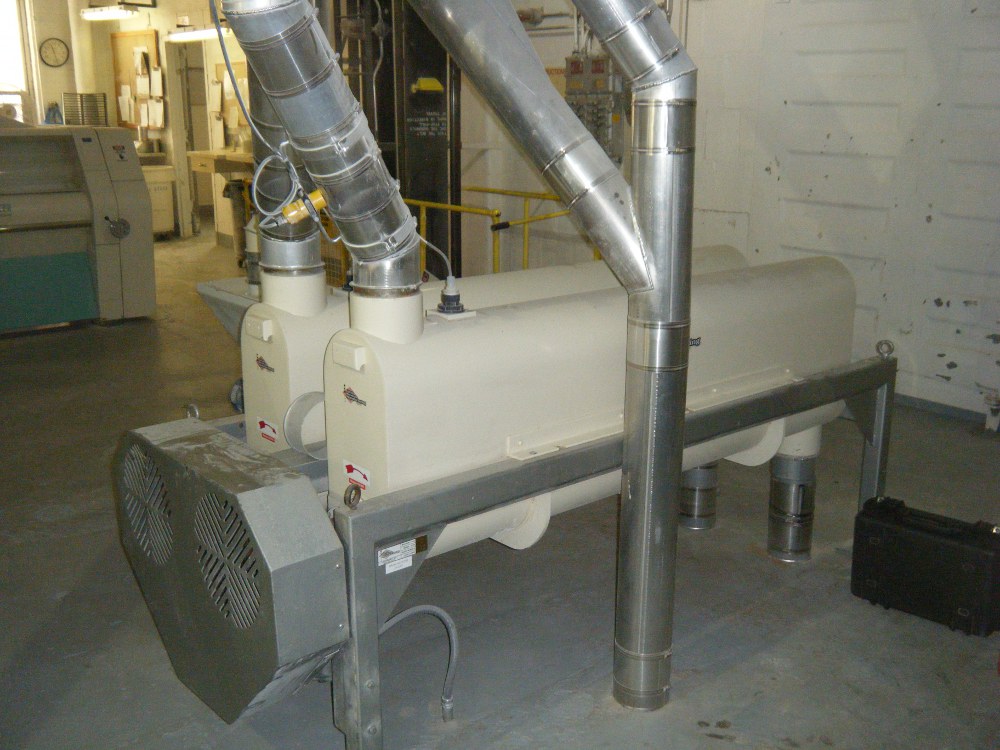
- Water Ozone Systems: These mix ozone into water for washing and tempering.
- Gas Distribution Systems: Deliver ozone gas to storage bins and mixers.
- Safety Monitors: Ensure ozone levels are safe for workers.
Everyday Benefits
For mill operators and food producers, ozone systems offer:
- Cleaner grain and flour.
- Fewer chemicals and additives.
- Longer shelf life for products.
- Safer working environments.
Conclusion
In adopting ozone technology for flour milling, operations not only achieve improved sanitation and extended shelf life but also align with sustainable and chemical-free processing goals. As the industry evolves, ozone stands out as a smart, efficient solution that supports cleaner milling and better-quality products—making it an essential element in shaping the future of safe, modern flour production.