Not all leaks are easy to spot. One simple method for checking exposed connections is the soapy water test. This inexpensive technique can help identify leaks around fittings, valves, hoses, and pipe connections.
How Does It Work?
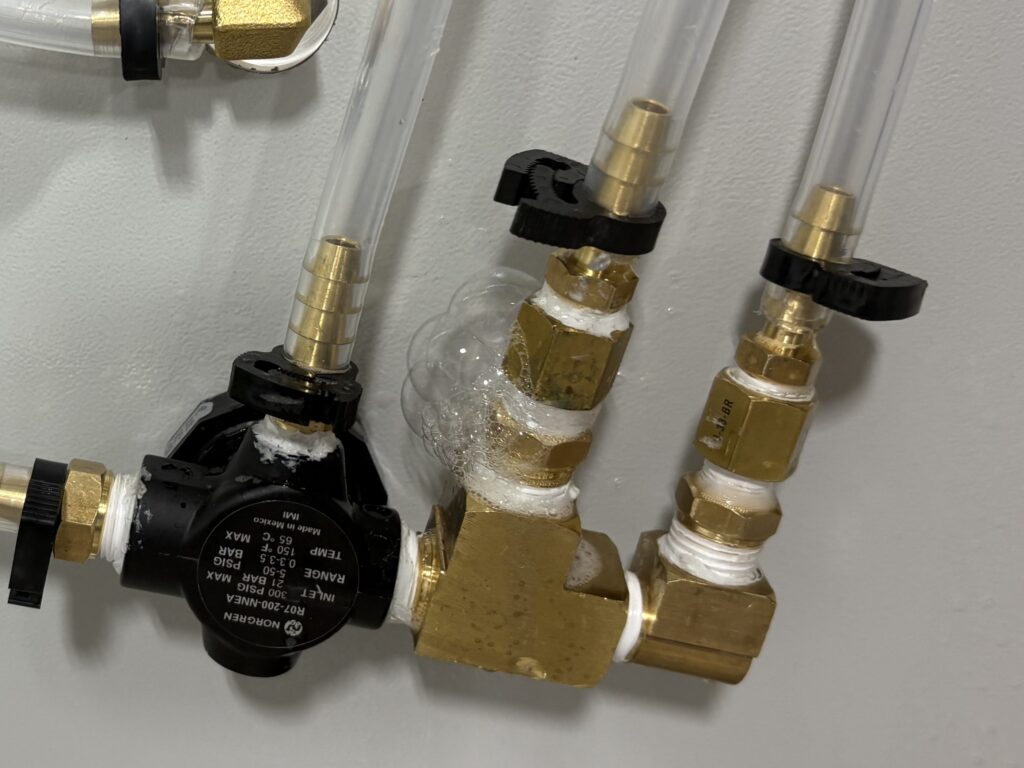
When gas escapes through a leaking connection, it passes through the soap solution and creates bubbles. Growing or continuously forming bubbles may indicate a leak.
What You’ll Need
- Liquid dish soap
- Water
- Spray bottle or small brush
A Few Simple Steps
- Mix dish soap with water.
- Apply the solution to accessible pipe connections and fittings.
- Watch for bubbles forming around the connection.
- If bubbles continue to grow, the connection may be leaking.
Important Safety Reminder: Never use a flame to check for gas leaks. If you smell gas or suspect an active leak, leave the area immediately and contact your gas utility or emergency services from a safe location. Do not attempt to locate the leak yourself.
When Is a Gas Detector Helpful?
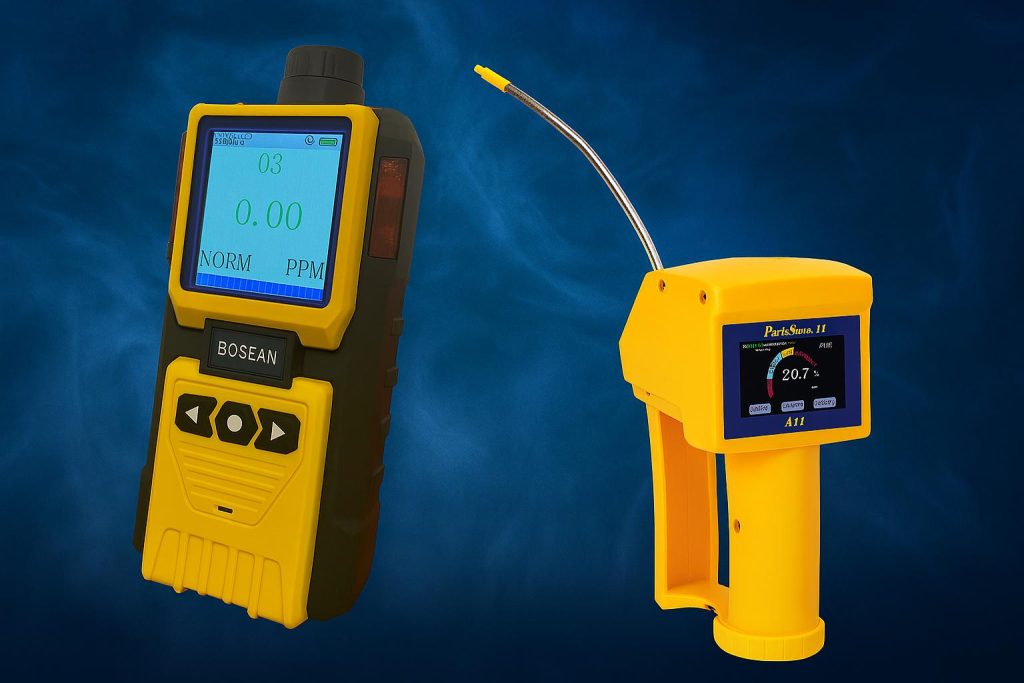
The soapy water test is limited to accessible connections. Portable ozone detectors provide another way to identify the presence of gas in areas that may be difficult to inspect visually.
Oxidation Technologies offers a variety of ozone detection monitors to help professionals identify potential hazards.
Video Demonstration: Soapy Water Test
In this video, our ozone technician reviews how to perform the soapy water test when checking for leaks in any tubing or accessories. Our ozone technician has a bottle of soapy water to spray onto the connections within this TOX oxygen concentrator to check for any suds on the connections. Suds and bubbling would indicate an air leak for this TOX unit, or a potential gas leak for other systems. It is important to check for leaks on equipment to keep people safe and equipment running properly. For more questions on the soapy water test, contact our team and we will walk you through the process specific to your system. For sales inquiries or technical support, contact our team here: Ozone equipment manufacturer and ozone system integrators Contact Us Ozone Integration Experts