How to Detect Ozone Leaks: A Simple, Safe, and Effective Guide
Ozone leaks can happen anywhere ozone is generated or carried—through tubing, fittings, valves, chambers, and destruct units. Whether you’re maintaining a small lab setup or a full industrial system, finding those leaks quickly is essential for safety, equipment performance, and consistent ozone output.
Fortunately, ozone leak detection doesn’t have to be complicated. With the right ozone detector and a basic soapy-water test, you can locate and resolve leaks fast. Here’s how the process works and why a pumped ozone detector—especially the K-600—makes all the difference.
Step 1: Use an Ozone Detector to Locate the Leak Area
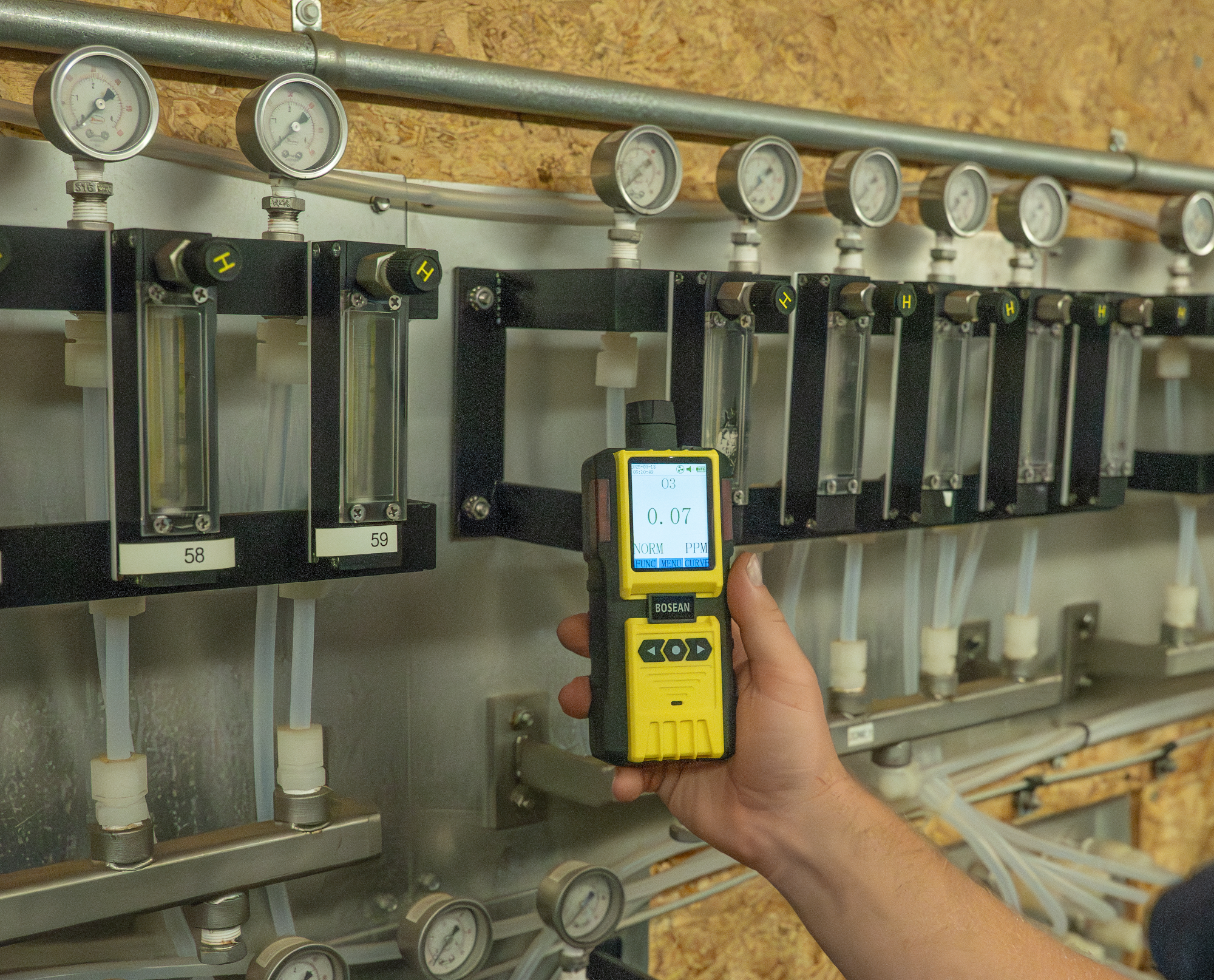
A pumped ozone detector is the most efficient tool for finding ozone leaks. Unlike passive sensors, a pumped instrument actively pulls air from specific locations, letting you sweep along tubing, fittings, and enclosed areas to find where ozone readings rise.
Why a Pumped Detector Matters
- Precision: Actively samples exact spots rather than waiting for ozone to diffuse.
- Speed: Identifies hotspots rapidly so you don’t waste time guessing.
- Safety: Lets you test areas without leaning into tight or high-ozone spaces.
- Versatility: Works on plumbing connections, ozone destruct units, gasketed joints, and more.
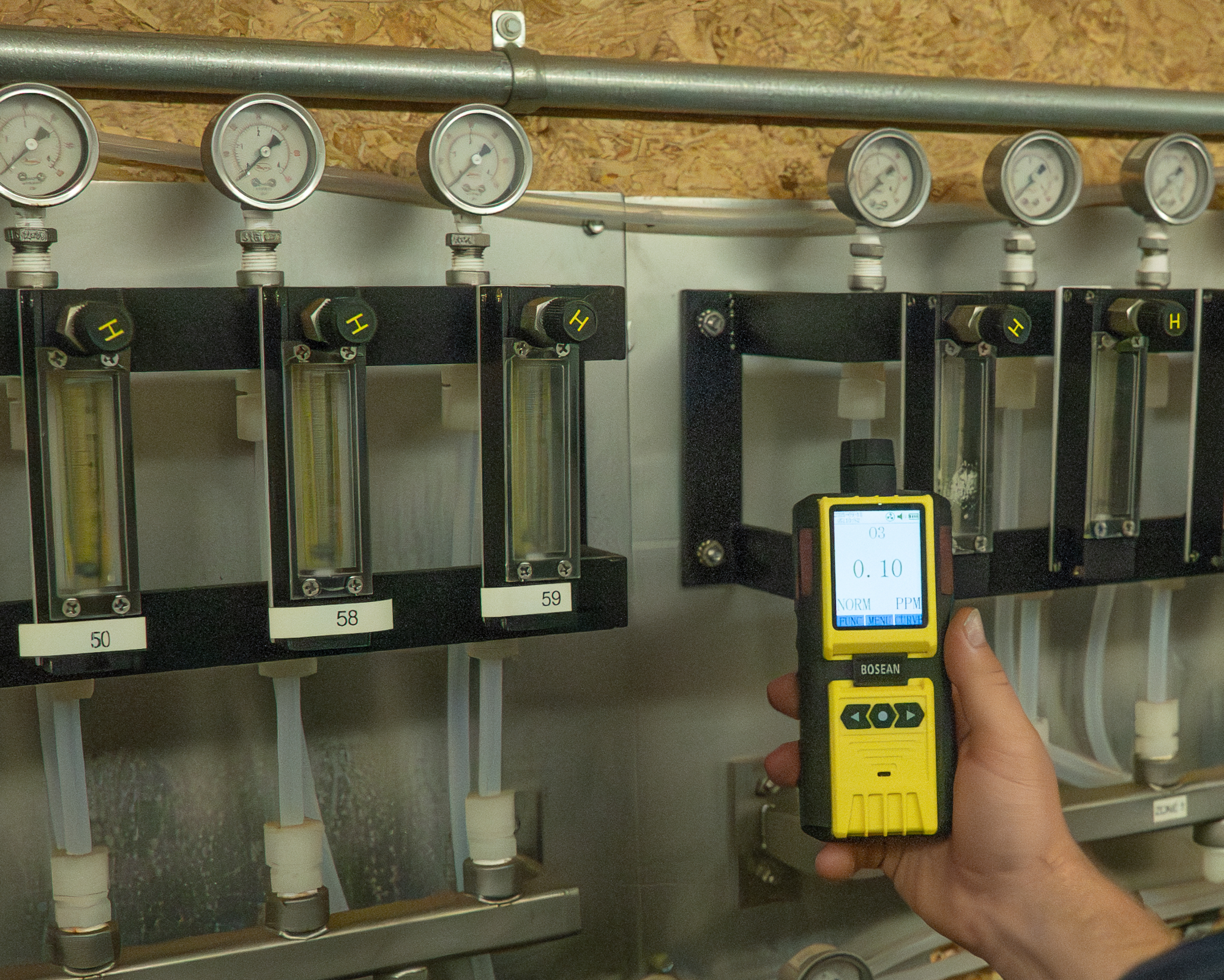
As you slowly move the sampling point around suspect areas, the detector will show where ozone concentration increases—this tells you roughly where the leak is happening.
Step 2: Pinpoint the Exact Leak with Soapy Water
Once the detector gives you the general area, the easiest way to find the exact spot is the classic soapy-water method.
Why Soapy Water Works So Well
- Detectors identify the zone; bubbles identify the exact point.
- Works on threaded connectors, tubing, valves, and ozone system fittings.
- Reveals leaks too small for a detector to isolate.
How to Perform the Test
- Mix dish soap with water.
- Spray or brush onto the suspected fittings or tubing.
- Watch for bubbling—continuous bubbles confirm the leak.
- Tighten, reseal, or replace the component.
This two-step method gives you both speed and certainty.
Step 3: Fix the Leak and Re-Test
After repairing the leak:
- Reapply the soapy-water solution to confirm the bubbling has stopped.
- Once dry, use your ozone detector again to make sure readings return to normal.
- For sensitive systems, restart airflow or ozone flow and verify stability.
Extra Tips for Effective Ozone Leak Detection
- Check fittings after installation or maintenance—tubing can shrink, and vibration can loosen connections.
- If you suspect a major leak, turn the ozone generator OFF and begin checking for oxygen leaks first.
- Inspect ozone destruct units regularly; degraded catalysts can release ozone.
- Use ozone-resistant materials to prevent gasket or tubing deterioration.
- Keep notes—documented leaks help with future preventative maintenance.
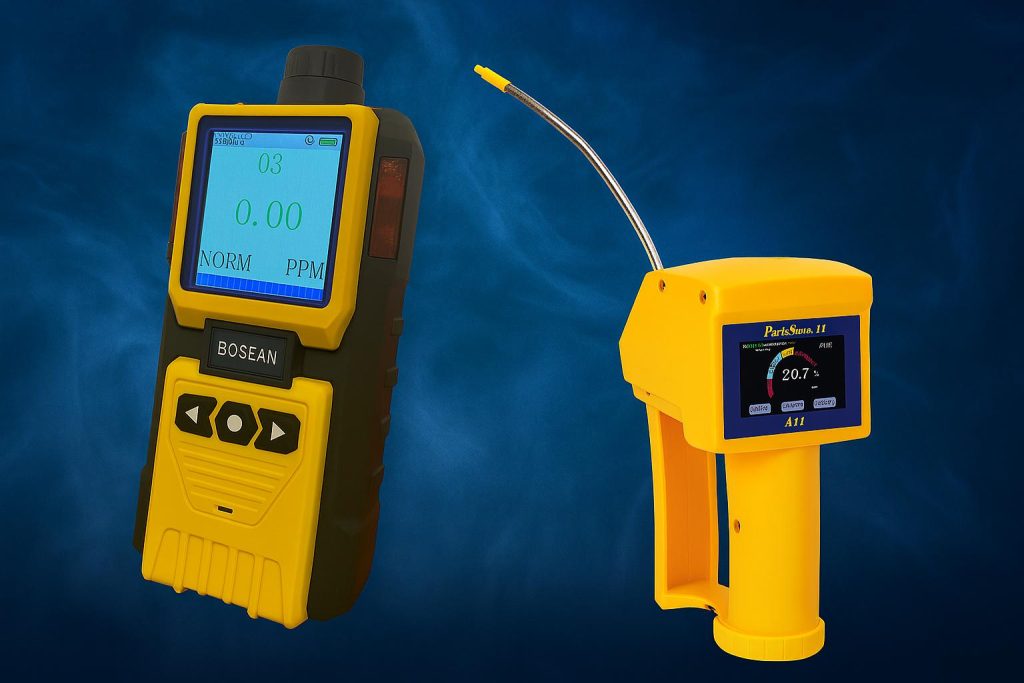
Best Ozone Detectors for Leak Detection
Below are two strong options—but one is especially ideal if you’re looking for performance and cost-effectiveness.
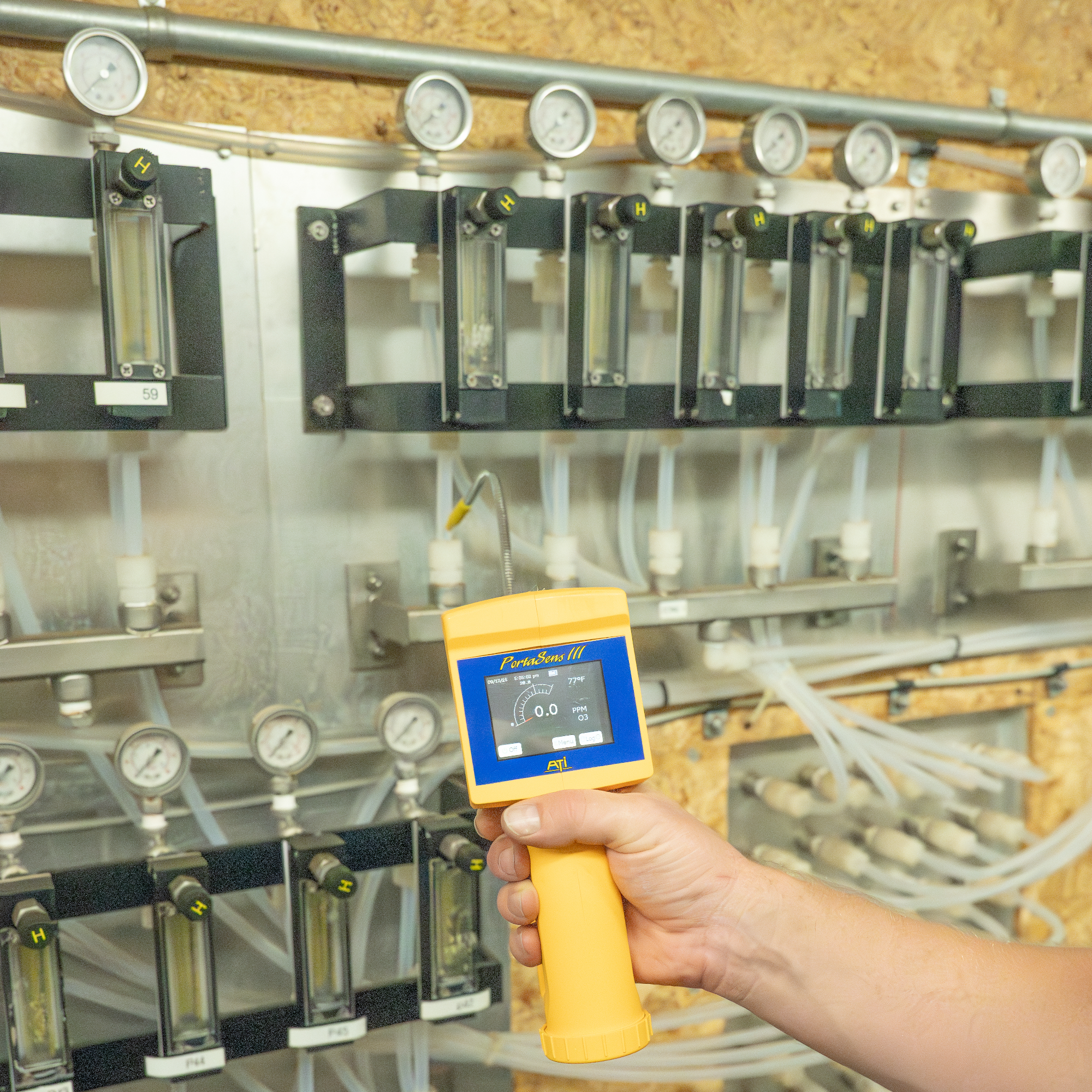
ATI D-16 PortaSens III
A premium solution offering maximum flexibility.
Key Strengths:
- High-flow internal pump
- Bendable sample wand
- Interchangeable ozone sensors (high-range leak sensors + low-range safety sensors)
- Detector can also measure up to 30 other gases
- Easy-to-hold pistol-grip design
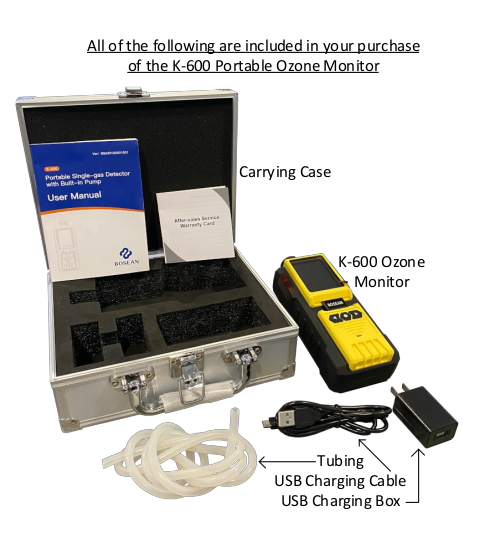
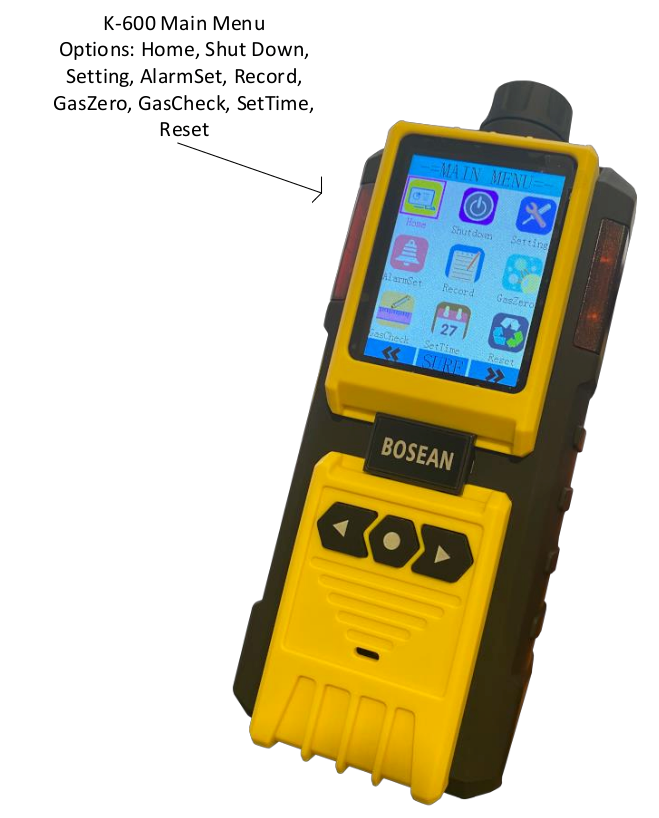
K-600: The Best Budget-Friendly Ozone Leak Detector
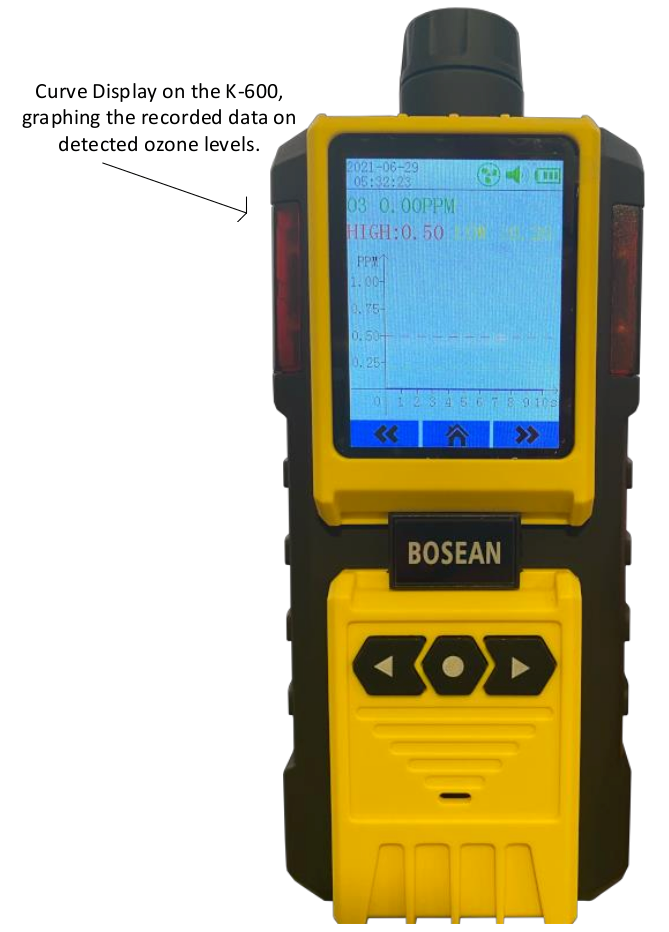
If your goal is effective ozone leak detection without the premium price, the K-600 shines. It provides the essential features of a pumped detector—at a far lower cost.
Why the K-600 Stands Out
- Budget-friendly without sacrificing performance
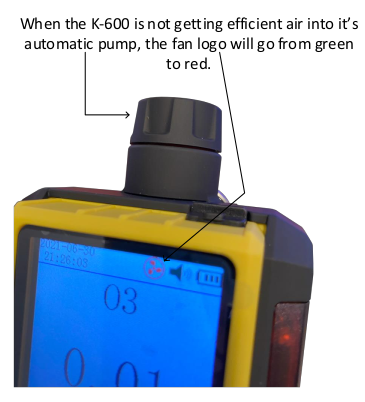
- Internal sample pump for accurate, targeted detection
- Tubing can be connected to the inlet for tight locations or remote sampling
- Long-life battery and low maintenance
- Compact and easy to carry
Available in Two Ozone Ranges
- 0–1 ppm for human safety monitoring and small leak detection
- 0–100 ppm for robust leak detection without over ranging
For most leak-detection tasks, the 0–100 ppm version is ideal—strong enough to handle higher concentrations often found during leak checks.
The K-600 delivers reliable, efficient ozone leak detection at a price that makes it accessible for technicians, facilities, and small operators that don’t need the advanced features of a premium device.
Calibration
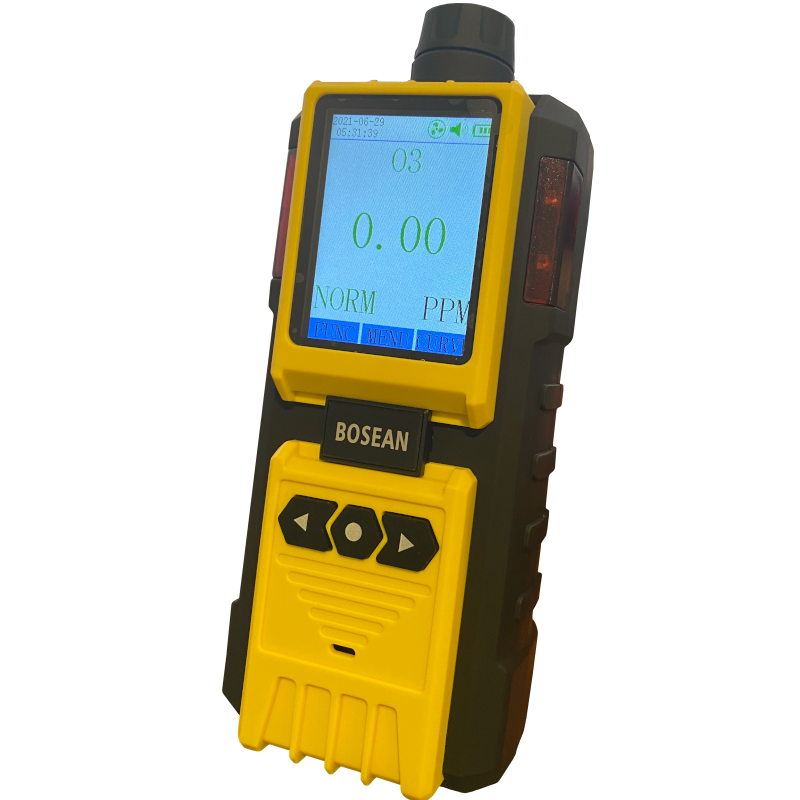
Your Bosean sensor will need to be sent back to us to be calibrated. Please click here to see more information on our calibration services, as well as our calibration pricing. Contact Us Today to get your sensor calibrated. *Please Note: There may be additional costs depending on replacement sensor pricing.
Conclusion
Ozone leak detection is simple when you use the right tools:
- Locate the leak area with a pumped ozone detector.
- Pinpoint the exact spot using a basic soapy-water test.
- Repair and re-test to confirm the system is sealed and safe.
While high-end instruments like the D-16 offer advanced capabilities, the K-600 provides the best value for anyone needing dependable, accurate ozone leak detection on a budget. With its internal pump, long battery life, and useful detection ranges, it’s a smart choice for both small operations and mid-sized ozone systems.
If you need fast, accurate, and affordable ozone leak detection—the K-600 is the tool to trust.