Ozone is a powerful, chemical-free way to fight foodborne threats like Listeria monocytogenes — a bacteria that’s tough to kill and easy to miss. If you’re new to ozone, here’s why it matters and how it helps.
What Is Listeria and Why Should You Care?
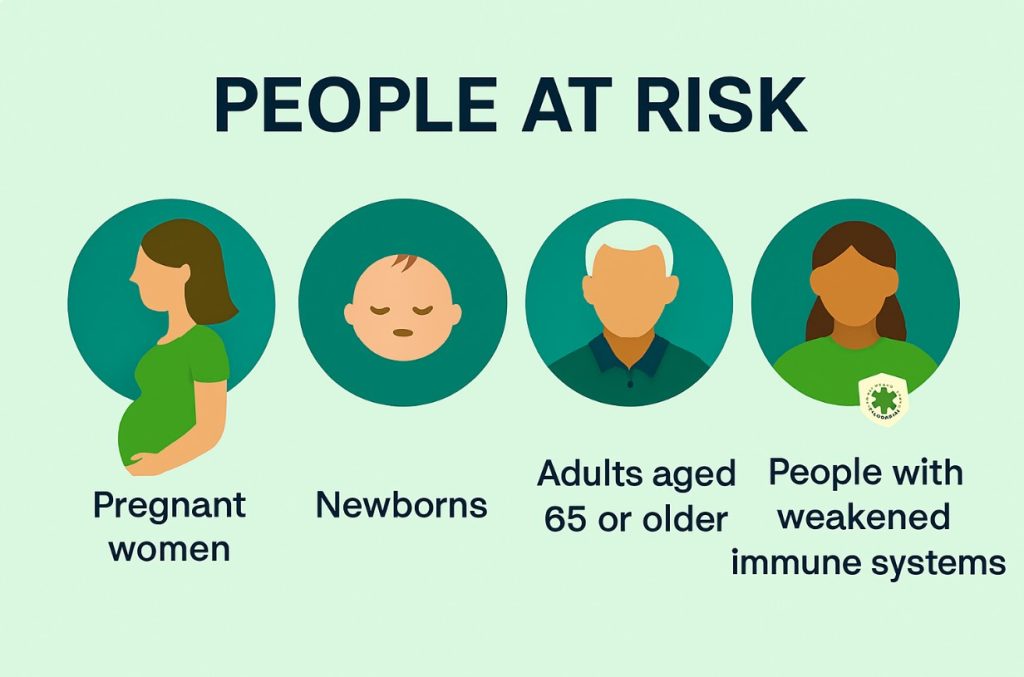
Listeria monocytogenes is a resilient bacteria found in soil, water, and raw foods. It can survive refrigeration, resist sanitizers, and hide in hard-to-clean surfaces. When consumed, it causes listeriosis, a serious illness that’s especially dangerous for pregnant women, newborns, adults 65+, and people with weakened immune systems.
Even small amounts of Listeria can lead to recalls, lawsuits, and health risks. That’s why monitoring and eliminating it is critical in food processing environments.
How Ozone Works Against Listeria
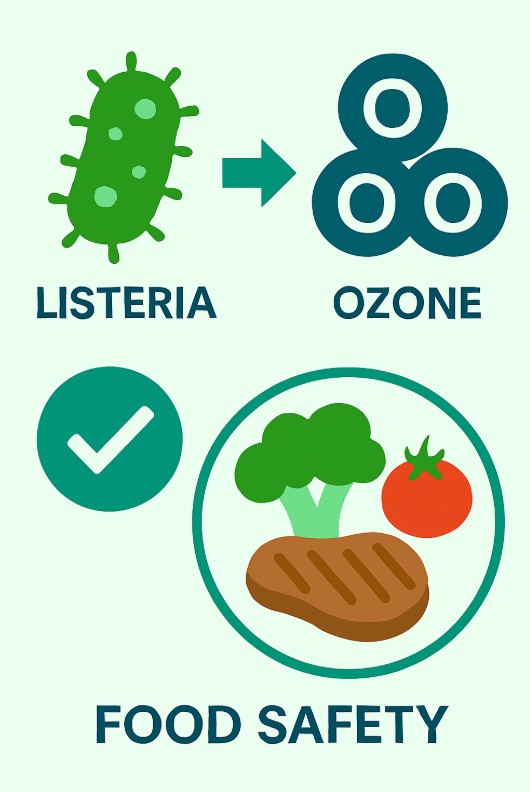
Ozone (O₃) is a naturally occurring gas that disinfects by breaking down cell walls — a process called lysis. It’s effective against Listeria and other pathogens, and it leaves no chemical residue behind.
Two main forms of ozone treatment:
- Aqueous ozone: Ozone dissolved in water, used to rinse produce, equipment, and surfaces.
- Gaseous ozone: Ozone gas pumped into rooms or containers for air and surface disinfection
Common Applications
Ozone is used in:
- Fruit and vegetable washing
- Meat and dairy processing
- Poultry chill brine treatment
- Conveyor belt and packaging sanitation
- Surface disinfection in prep areas
It’s especially useful in hard-to-reach zones where traditional sanitizers fail.
Did You Know?
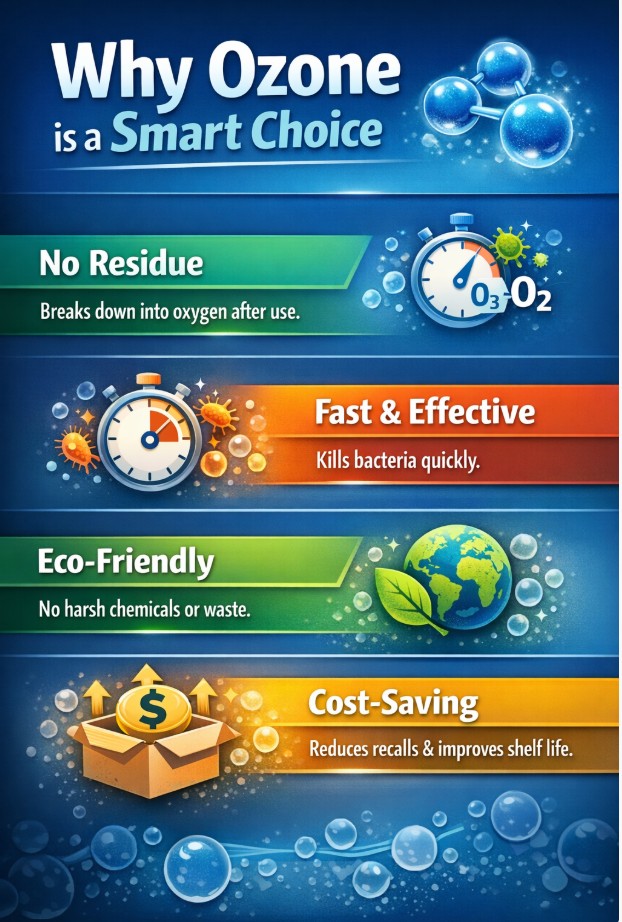
Why Ozone Is a Smart Choice
For processors and food safety teams, ozone is a clean, efficient way to stay ahead of contamination risks. Want to learn more? Dive into Oxidation Technologies’ ozone applications for real-world insights.