
In 2001, the FDA and USDA granted GRAS (Generally Recognized as Safe) status to ozone for use in food processing. This pivotal decision opened the door to safer, more sustainable methods for pathogen control and food preservation. Today, ozone is a powerful tool in agri-food processing, offering effective microbial reduction with no chemical residue, all while contributing to cost and water savings.
Why Use Ozone in Food Processing?
Ozone is a potent oxidizer—stronger than chlorine—and it naturally reverts to oxygen after use, leaving no harmful by-products. It’s effective against all known pathogens including E. coli, Listeria, viruses, and molds, making it ideal for food safety applications.
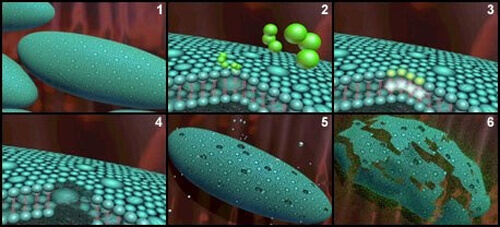
Unlike chlorine, which must diffuse through the cell membrane to act, ozone destroys pathogens by rupturing the cell wall through direct oxidation. This means:
- Faster disinfection
- No “ozone-resistant” bacteria
- Minimal chemical footprint
Ozone Delivery Methods: Gas and Aqueous
Aqueous Ozone
Aqueous ozone is the most common application in food processing. Ozone gas is dissolved into water and sprayed onto surfaces or directly on food products like meat, berries, or seafood.
Benefits:
- Safe and easy to apply
- Effective at just 2.0 ppm
- Acts within seconds
- Requires no rinse step, as it reverts to oxygen
Important Note: Ozone in water is short-lived. It must be applied immediately and not stored in tanks for later use. Spray application is far more effective than dip tanks.
Gaseous Ozone
Gaseous ozone is used for surface sanitation and ambient disinfection, such as in cold storage or hanging meat rooms. The effectiveness depends on:
- Temperature
- Humidity
- Contact time
- Ozone concentration
While slightly more complex to control, gaseous ozone is still highly effective when environmental conditions are properly managed.
GRAS Approval and Organic Compliance
Ozone’s GRAS approval was granted following a petition by the Electric Power Research Institute (EPRI), which highlighted its energy-saving benefits in food processing. As a result:
- Ozone can be used broadly across food categories with minimal regulation
- Ozone is approved for use in organic food production under the USDA National Organic Program (NOP)
To learn more about ozone use in organic food production, consult USDA and NOP resources.
Water Savings and Sustainability
One of ozone’s biggest environmental advantages is water efficiency:
- Closed-loop systems benefit from ozone’s ability to disinfect and break down organics without adding chemical by-products
- Ozone allows for water reuse in secondary processes like equipment rinsing or floor cleaning
- As a final rinse and sanitizer, ozone can eliminate the need for extra rinse steps, saving both water and processing time
Proven Benefits of Ozone in Food Processing
- Enhanced food safety – Rapid and effective pathogen elimination
- Extended shelf life – Less bacteria = longer-lasting food
- No chemical residues – Ozone breaks down to oxygen
- Lower operational costs – Reduced chemical usage and lower water consumption
- Cleaner flavor profiles – No chlorine or chemical taste
- Environmental benefits – Less waste, fewer by-products, and safer workspaces
Real-World Applications
Ozone has been successfully used across a variety of food processing operations, including:
- Red meat and poultry (e.g., beef brisket, hanging beef)
- Seafood and shellfish
- Berries and fresh produce
- Surface sanitation in food plants
- E. coli and Listeria inactivation on food contact surfaces and products
Final Thoughts
The implementation of ozone in agri-food processing isn’t just a safer alternative—it’s a smarter one. With regulatory backing, proven pathogen control, and significant sustainability benefits, ozone is quickly becoming the gold standard in food safety technology.
Whether you’re processing red meat, sanitizing surfaces, or reclaiming process water, ozone can help you achieve a cleaner, greener, and more cost-effective operation.
You can find more information here: https://www.oxidationtech.com/applications/agri-food.html