In recent years, the use of ozone as a powerful disinfectant has gained popularity due to its effectiveness in eradicating a wide range of pathogens, including bacteria, viruses, and other microorganisms. One critical parameter that plays a pivotal role in determining the efficiency of ozone treatment is the CT value. This blog post will delve into the significance of the CT value in ozone treatment, its calculation, and its role in ensuring safe and effective disinfection processes.
What is the CT Value?
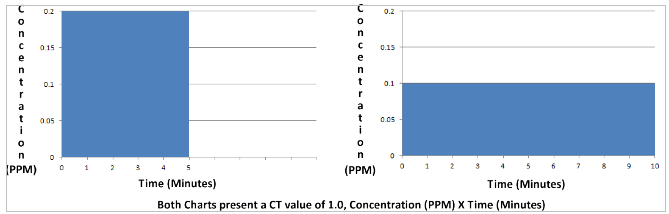
The CT value, which stands for Concentration x Time, is a vital metric used to quantify the effectiveness of ozone in disinfecting water or air. It represents the product of the ozone concentration (C) and the exposure time (T) required to achieve a certain level of microbial inactivation. In simple terms, the CT value reflects the cumulative impact of ozone concentration and contact time on the target microorganisms.
Understanding the Relationship between CT Value and Disinfection:
The CT value plays a crucial role in determining the efficiency of the ozone treatment process. A higher CT value indicates a more effective disinfection process, as it requires a lower ozone concentration and/or shorter contact time to achieve the desired level of pathogen inactivation. On the other hand, a lower CT value implies that a higher ozone concentration and/or longer exposure time are necessary to achieve the same level of disinfection.
Calculation of CT Value:
The calculation of the CT value is relatively straightforward. It can be determined using the following formula:
CT = C x T
Where:
CT = CT value (mg/L x minutes or ppm x minutes)
C = Ozone concentration (mg/L or ppm)
T = Exposure time (minutes)
It is essential to maintain a balance between the ozone concentration and exposure time to achieve the desired CT value for effective disinfection while ensuring the safety of the treated environment.
Factors Affecting CT Value:
Several factors can influence the CT value in ozone treatment:
- Ozone concentration: The higher the ozone concentration, the lower the required exposure time, and vice versa. However, excessively high ozone concentrations can lead to safety concerns and may cause damage to treated materials or the environment.
- Water or air temperature: Temperature can impact the solubility and reactivity of ozone. Higher temperatures generally increase the ozone’s reactivity, potentially reducing the required contact time.
- Target microorganisms: Different microorganisms have varying sensitivities to ozone, meaning that some may require a higher CT value for effective inactivation.
- Water or air quality: The presence of certain impurities or substances in the water or air can consume ozone or interfere with the disinfection process, affecting the CT value.
Conclusion:
The CT value is a crucial parameter in ozone treatment for disinfection, helping to determine the effectiveness of the process. Striking the right balance between ozone concentration and exposure time is essential to achieve the desired CT value and ensure safe and efficient disinfection. Ozone treatment, when properly applied, offers a potent and sustainable solution for a wide range of applications, including water purification and air treatment in various industries and public settings.
Always consult with ozone treatment experts and follow industry guidelines to ensure optimal results while safeguarding human health and the environment. Remember, the CT value is not a one-size-fits-all approach, and its optimization should be tailored to specific disinfection needs and target microorganisms. With the right understanding and application, ozone treatment can provide a powerful tool in our ongoing battle against harmful pathogens.
More on the CT Value can be read here: https://www.oxidationtech.com/ozone/ct-value.html