In the high-stakes world of food production, bacteria don’t take breaks—and neither can your sanitation protocols.
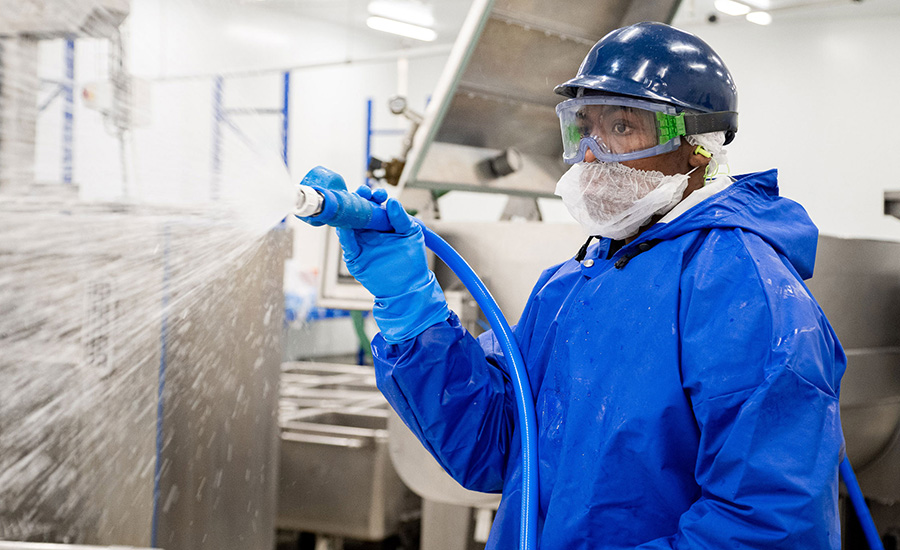
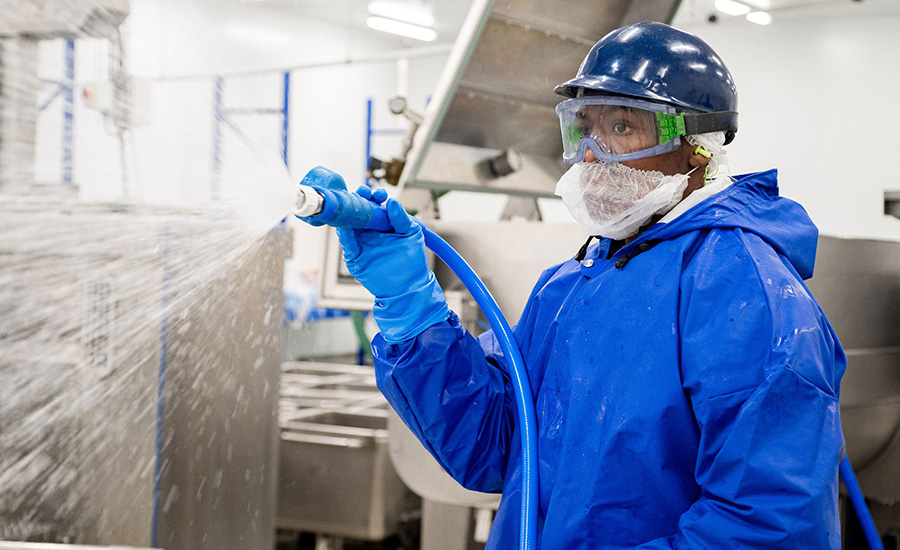
A recent article in Food Engineering highlights the evolving landscape of cleaning and sanitation in the food industry, where foodborne pathogens like Listeria, Salmonella, and E. coli continue to challenge even the most advanced facilities. With labor shortages, stricter regulations, and a zero-tolerance market, processors are under pressure to do more with less—without compromising safety.
At Oxidation Technologies, we believe the next leap forward isn’t more chemicals or harsher disinfectants. It’s smarter sanitation with ozone.
Why Ozone?
Ozone (O₃) is a naturally occurring molecule with broad-spectrum antimicrobial power. When applied correctly, it kills bacteria, viruses, mold, and yeast—faster than chlorine and without harmful residues. That makes it ideal for food processing environments where safety, sustainability, and effectiveness all matter.
Here’s why more processors are turning to ozone-based sanitation systems:
✅ Stronger kill power – Rapidly destroys a wide range of microorganisms, including biofilms
✅ No chemical residues – Leaves behind only oxygen; no rinsing required
✅ Saves water & labor – Cuts down on chemical cycles and water usage
✅ Approved for food contact – FDA and USDA approved for direct use on food and surfaces
✅ Eco-friendly – On-site generation means no storage, transport, or disposal of hazardous chemicals
From Manual Cleaning to Automated Sanitation
The Food Engineering article rightly points out that sanitation is moving toward automation and data-driven verification. Manual cleaning will always have a place, but facilities now need repeatable, validated, and trackable sanitation processes—especially in high-risk zones.
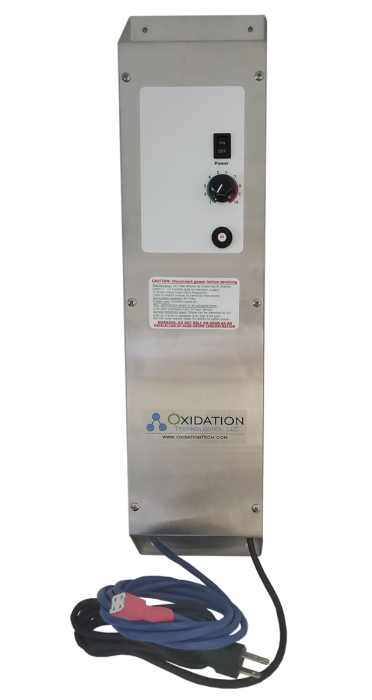
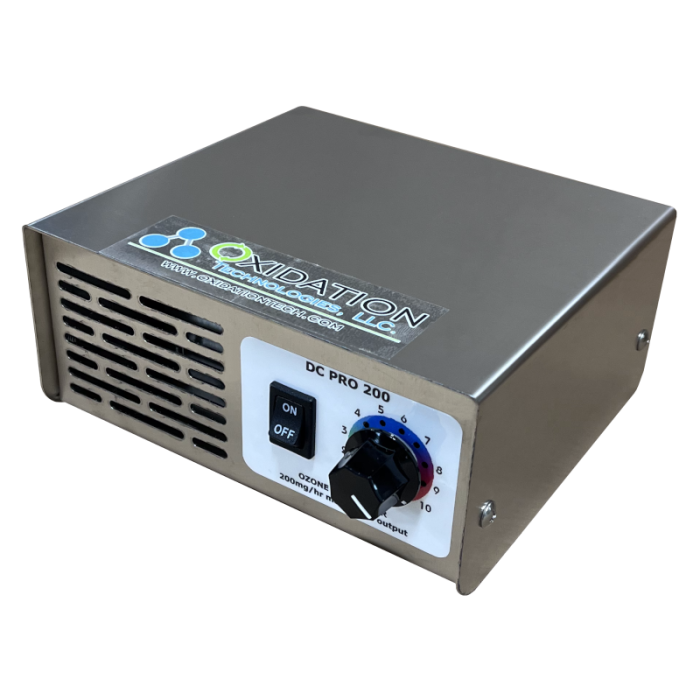
Our ozone systems can be fully integrated into CIP (Clean-In-Place) and surface sanitation routines, with optional sensor monitoring to confirm real-time ozone levels and system performance. This not only improves kill efficacy but also proves it, giving quality teams the documentation they need for audits, compliance, and peace of mind.
Ozone in Action: Real-World Applications
Ozone is already used in:
- Produce washes to eliminate pathogens without impacting taste or texture
- Meat & poultry facilities for conveyor belt and equipment sanitation
- Dairy processing plants for tank and pipe sterilization
- Beverage bottling lines for bottle rinses and contact surface sanitation
- RTE (Ready-to-Eat) zones to combat Listeria monocytogenes on equipment and air
With rising interest in sustainable sanitation, ozone is quickly becoming the industry’s best-kept secret.
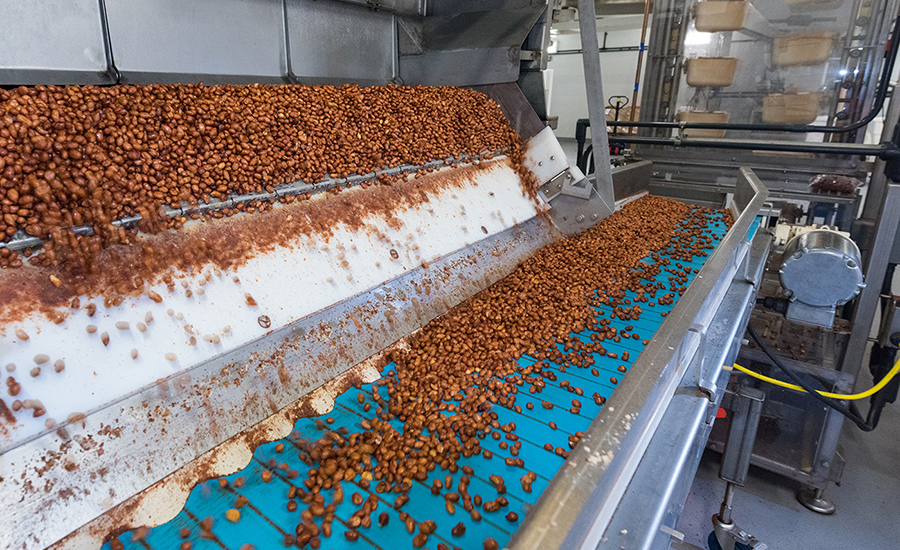
Is Your Plant Ready for the Ozone Upgrade?
Whether you’re building a new facility, retrofitting a line, or just tired of juggling chemicals and compliance headaches, Oxidation Technologies has the ozone generation systems, monitoring tools, and expertise to help you modernize your food safety program.
➡️ Explore our ozone sanitation solutions: oxidationtech.com
➡️ Need help designing a system? Contact our team for a free consultation.
You don’t need harsher chemicals to fight bacteria. You need smarter tools. Let’s talk about what ozone can do for your food safety plan.