
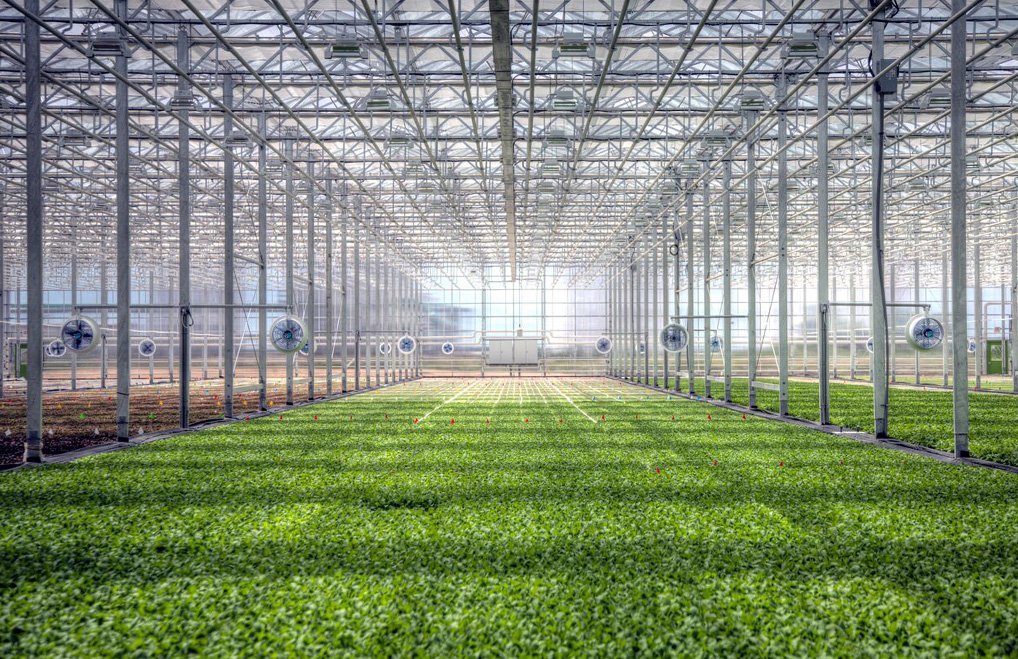
Hydroponic greenhouses are becoming an increasingly popular method for growing high-quality leafy greens year-round. By eliminating soil and delivering nutrients directly through water, these systems offer precision and efficiency. One technology that is transforming hydroponic greenhouse operations is ozone treatment.
Ozone (O₃) offers a wide range of benefits for water treatment, plant health, and environmental sustainability in hydroponic growing. When applied correctly, it can enhance yield, reduce chemical usage, and maintain superior system hygiene.
Water Treatment and Disinfection
In hydroponics, water is the lifeline of the crop—and keeping it clean is essential.
- Bacteria and Pathogen Control – Ozone destroys bacteria, viruses, fungi, and protozoa in nutrient solutions, reducing the spread of plant diseases.
- Biofilm Prevention & Removal – Ozone breaks down organic matter that feeds biofilm growth in tanks and pipes, improving water quality and reducing blockages.
- Odor Control – Eliminates unpleasant smells caused by organic material breakdown.
- Well Water Treatment – For greenhouses using well water, ozone disinfects and oxidizes contaminants before water enters the hydroponic system.
Plant Health and Growth
Ozone not only keeps water clean but also supports plant vitality.
- Improved Dissolved Oxygen (DO) Levels – Ozone dissolves more readily than oxygen in water and naturally converts back to oxygen, boosting DO for stronger root development and better nutrient absorption.
- Enhanced Nutrient Uptake – Ozone can oxidize certain nutrients, making them more bioavailable for plants.
- Increased Stress Resistance – May stimulate plant defense responses, helping crops handle water stress, heat, or cold more effectively.
Financial and Environmental Benefits
Ozone aligns with sustainable farming goals and can reduce operating costs.
- Reduced Chemical Use – Eliminates or reduces reliance on chlorine and other disinfectants.
- Water Reuse Potential – Allows safe recirculation of nutrient solution, reducing water consumption.
- Organic Growing Compatibility – Fits within organic principles by avoiding synthetic chemical disinfectants.
Design Considerations
To reap the benefits of ozone safely and effectively, careful system design is essential.
- Dosage Control – Too much ozone can harm roots or over-oxidize certain nutrients. Automated monitoring ensures safe levels.
- Worker Safety – While ozone in water is safe, gaseous ozone can irritate the lungs. Proper leak detection and ventilation are important.
Example Ozone System Applications
Ozone can be applied in hydroponic greenhouses in several ways:
- Well Water Pre-Treatment – Example: An OXS-80 ozone water system treats water as it flows from a well into holding tanks, ensuring pathogen-free water enters the hydroponic system.
- Dual-Purpose Ozone Systems – Some custom OST systems have two ozone injection loops:
- Low-dose loop for continuous disinfection of incoming water (measured with ORP control).
- High-dose loop for surface sanitation and equipment cleaning (monitored with dissolved ozone sensors).
- Multi-Function Ozone Systems – Advanced OST-series systems can inject ozone into water and also distribute ozone gas for room disinfection and odor control. These often feature touchscreen HMIs for easy control and integrated ozone monitoring.
Conclusion
Ozone technology offers hydroponic greenhouse operators a multi-benefit tool for water quality, plant growth, and operational sustainability. With proper design, monitoring, and control, ozone can help leafy green producers reduce costs, improve yields, and maintain a cleaner, healthier growing environment—all without relying on harsh chemicals.
You can find more information here: https://www.oxidationtech.com/applications/agri-food/ozone-use-in-hydroponic-greenhouses.html