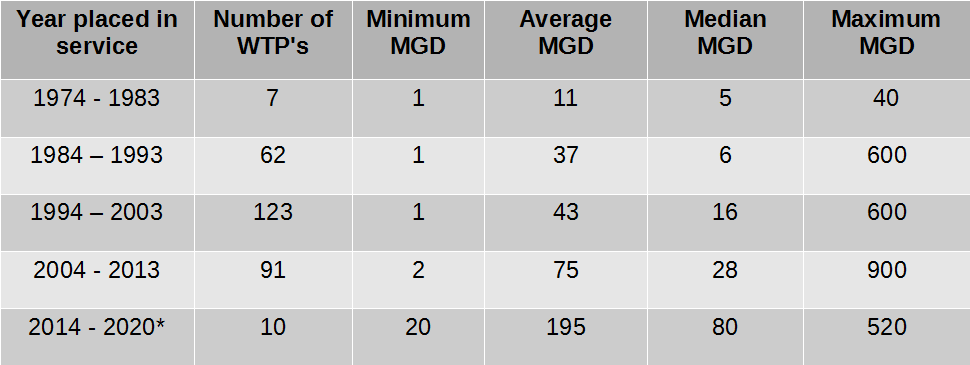

How Ozone Helps Reduce E.coli O157:H7 in Food Processing
Why More Processors are Choosing Ozone
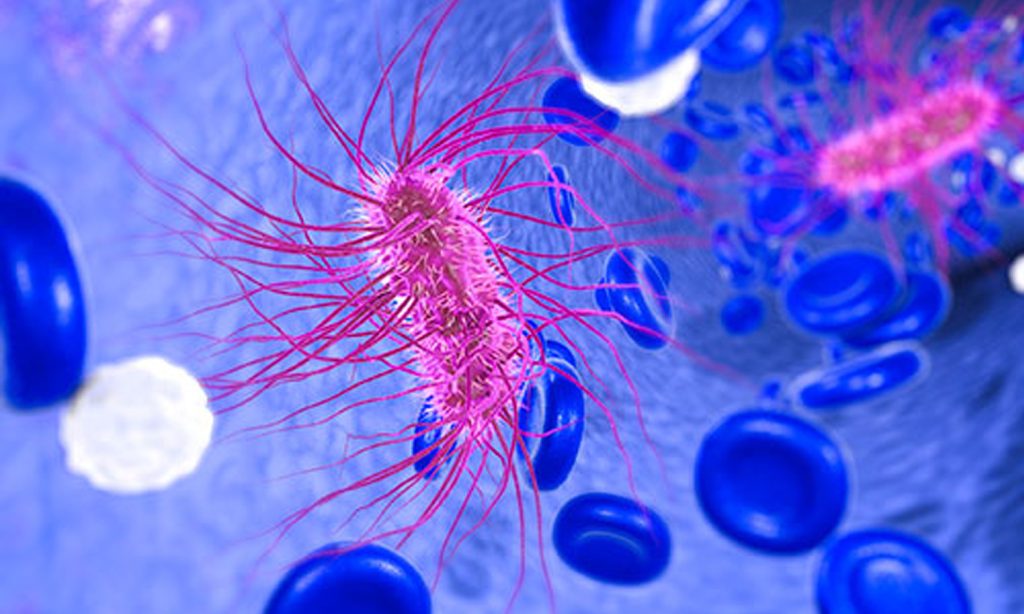
When you hear about food recalls involving E.coli, the strain causing the most serious illnesses is usually E.coli O157:H7. This dangerous bacteria can be found on meat, vegetables, water, and food contact surfaces. It causes thousands of illnesses every year, so controlling it is a major part of food safety.
For many years, processors have relied on chemicals like chlorine to kill bacteria. But chemical methods are becoming harder to use, more regulated, and less effective. This has led many facilities to look for a safer, cleaner option.
One solution that is growing quickly in the food industry is ozone.
What Is Ozone?
Ozone is a form of oxygen that is extremely good at killing bacteria, including E.coli O157:H7. It has been used for decades to clean drinking water, and today it is widely used for washing produce, sanitizing equipment, and improving overall food safety.
A few important points:
- Ozone kills bacteria very quickly
- It works on all E.coli strains, including O157:H7
- It leaves no chemical residue (it turns back into oxygen)
- It is approved for direct use on food and food-contact surfaces
Because ozone breaks down naturally and doesn’t leave harmful byproducts, many facilities prefer it over chlorine-based chemicals.
How Does Ozone Kill Bacteria?
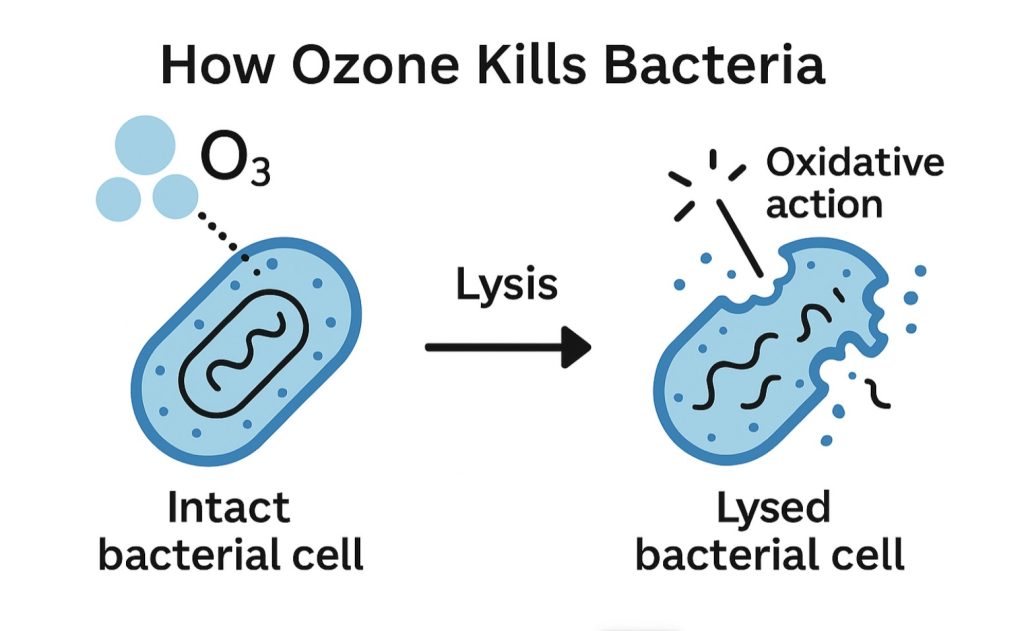
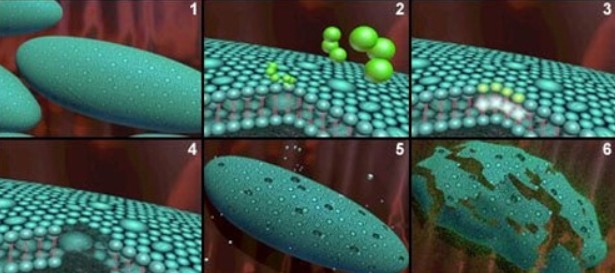
Ozone destroys bacteria by breaking down their cell walls and internal components through oxidation. This process damages proteins, enzymes, and DNA, causing the cell to leak and die. This process is known as lysis. Bacteria cannot develop resistance to ozone, and while dead cells may remain, all living bacteria are neutralized.
Aqueous vs. Gaseous Ozone
Aqueous Ozone
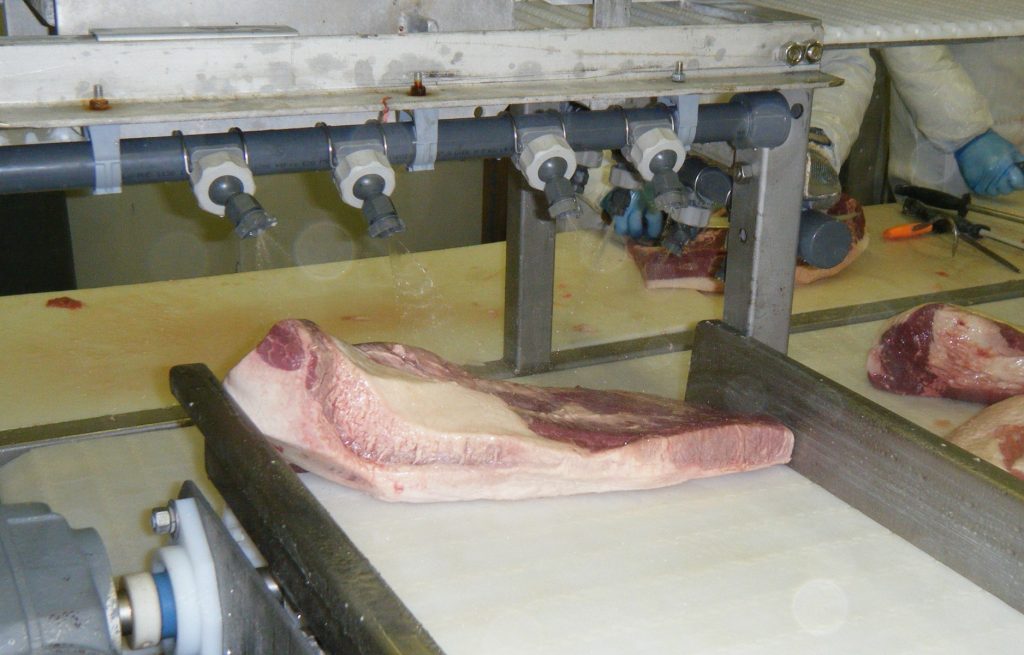
Ozone dissolved in water is the most common method for pathogen control. It’s stable, easy to apply, and ideal for wash lines and direct contact with food or equipment.
Gaseous Ozone
Used less often, gaseous ozone requires precise control of conditions like humidity and temperature. It can reduce E.coli O157:H7, but results vary and more research is needed.
Key Takeaway:
Aqueous ozone is preferred for simplicity and reliability, while gaseous ozone offers potential benefits but demands strict environmental control.
Does Ozone Really Work Against E.coli O157:H7?
Research has shown that ozone can significantly reduce or even eliminate E.coli O157:H7 on produce, meat surfaces, equipment, and wash water. It is one of the strongest disinfectants available and works well even in cold water.
For processors wanting a reliable way to reduce bacteria without chemicals, ozone is one of the most effective options available.
Why Work with Oxidation Technologies?
Oxidation Technologies LLC specializes in ozone systems for food processing. We design, install, and support ozone equipment across the United States, helping facilities:
- Improve microbial reduction
- Reduce chemical use
- Sanitize wash lines, rooms, and surfaces
- Increase worker and product safety
We provide everything from complete ozone systems to ozone monitors, safety equipment, and ongoing service. Contact us today.
The Takeaway
Ozone is a powerful, proven tool for reducing E.coli O157:H7 and improving food safety. It works fast, leaves no residue, and is becoming a preferred method as older chemical options face more limitations.
If you’re looking for a cleaner, more effective way to protect your products and facility, ozone is worth serious consideration.