Cleaner Shellfish, Safer Food: How Ozone Revolutionizes Shellfish Depuration
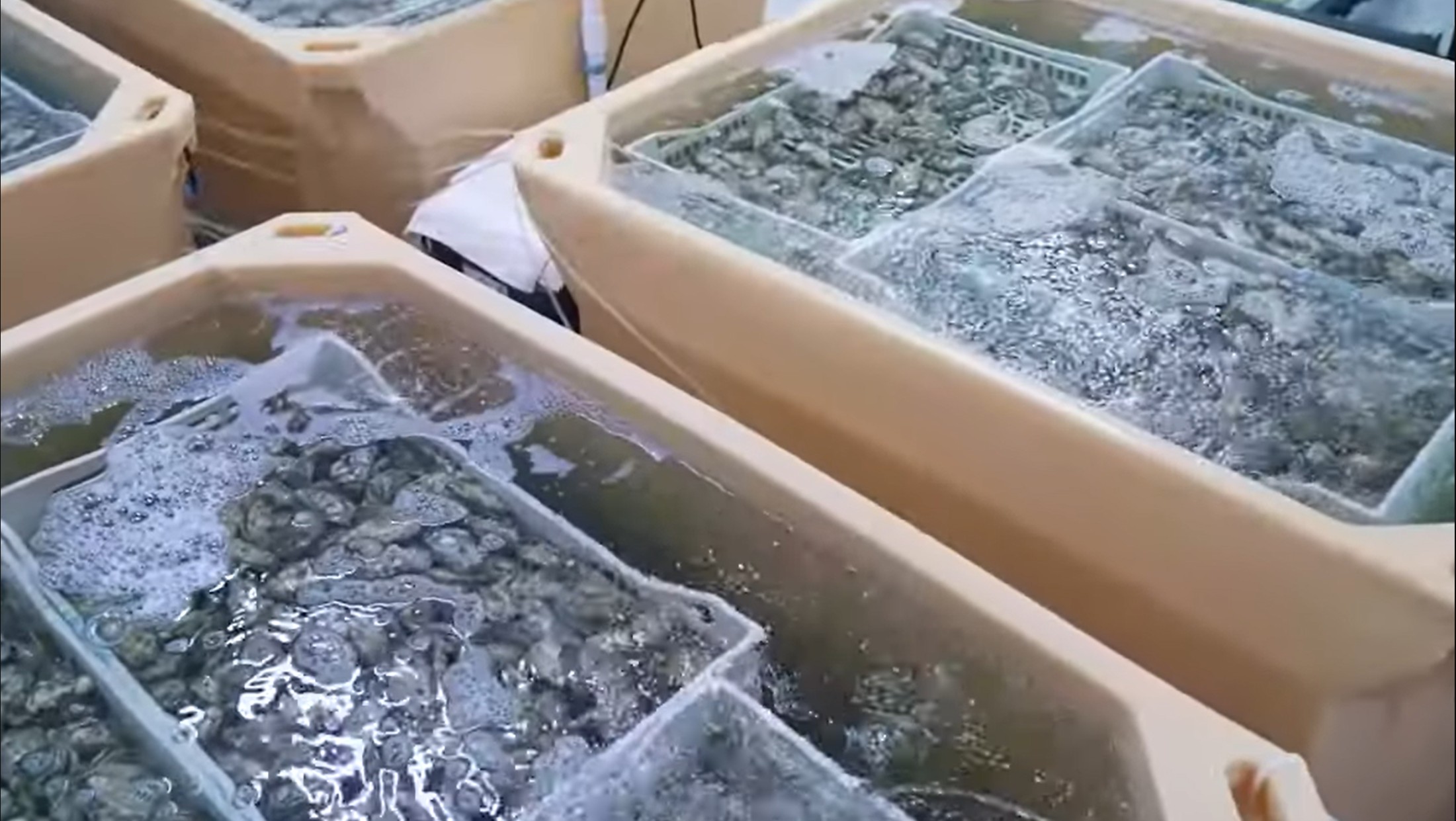
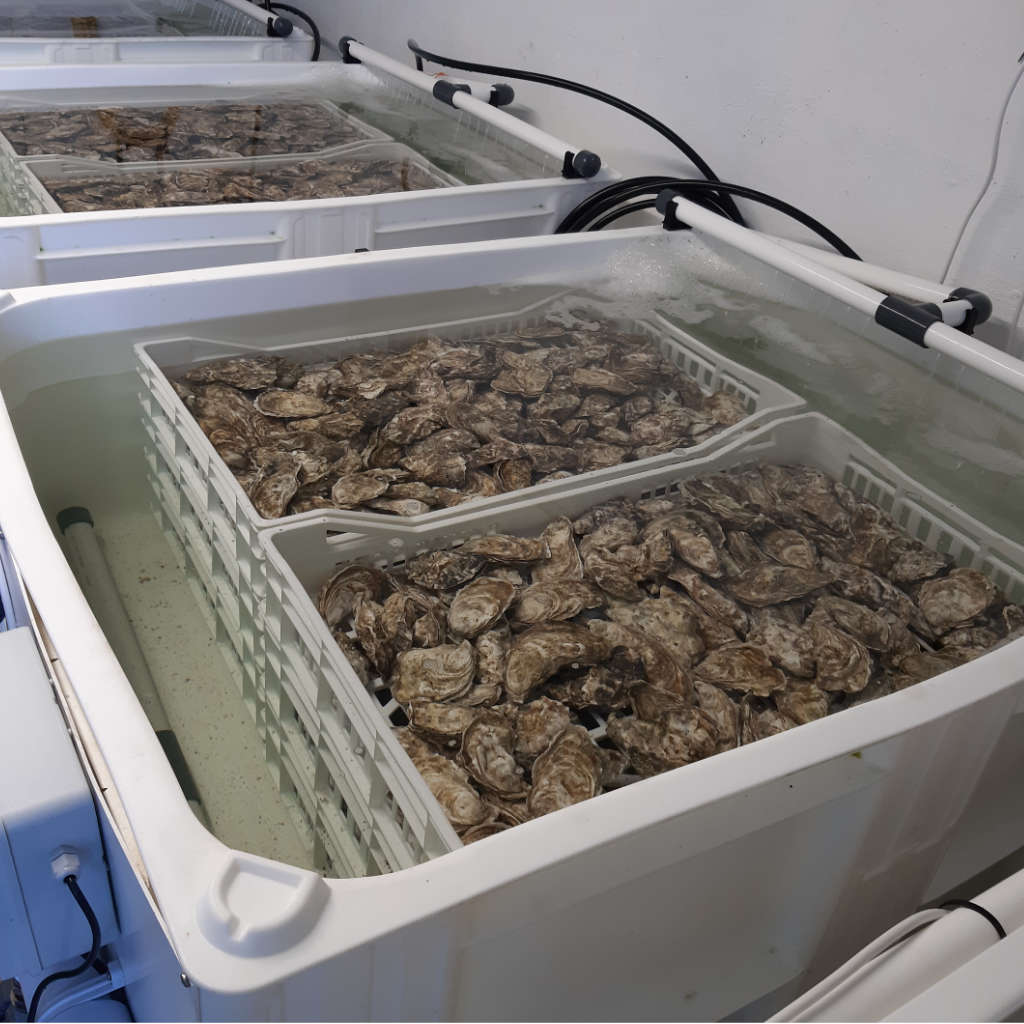
Shellfish like oysters, clams, and mussels are prized for their flavor and nutrition, but they can also harbor harmful bacteria and viruses from coastal waters. To ensure safety, processors rely on depuration—a process that purges contaminants from live shellfish before they reach your plate. Traditionally, this involves holding shellfish in clean seawater for 24–48 hours, but standard systems using filtration and UV sterilization often fall short against pathogens like E. coli, Vibrio, and norovirus.
Why Ozone?
Ozone (O₃) is one of the strongest oxidizing agents available, offering several key benefits:
- Broad-Spectrum Disinfection
Ozone inactivates bacteria, viruses, and protozoa far more effectively than chlorine or UV, without leaving chemical residues. - Enhanced Water Quality
It breaks down dissolved organics, color, and odor compounds, improving clarity and reducing biological oxygen demand (BOD). This creates a cleaner, more stable environment for shellfish. - Eco-Friendly and Chemical-Free
Unlike chlorine, ozone decomposes back to oxygen, leaving no harmful by-products—perfect for sustainable aquaculture. - Extended Shelf Life
Shellfish depurated in ozonated water have lower bacterial loads, slower spoilage rates, and maintain their natural flavor and texture longer.
FDA-Approved and Safe
Ozone is approved by the U.S. FDA under 21 CFR 173.368 for use as an antimicrobial agent on food, including shellfish. When applied under Good Manufacturing Practices, it’s safe for depuration water, equipment sanitization, and even as a rinse for shucked meats.
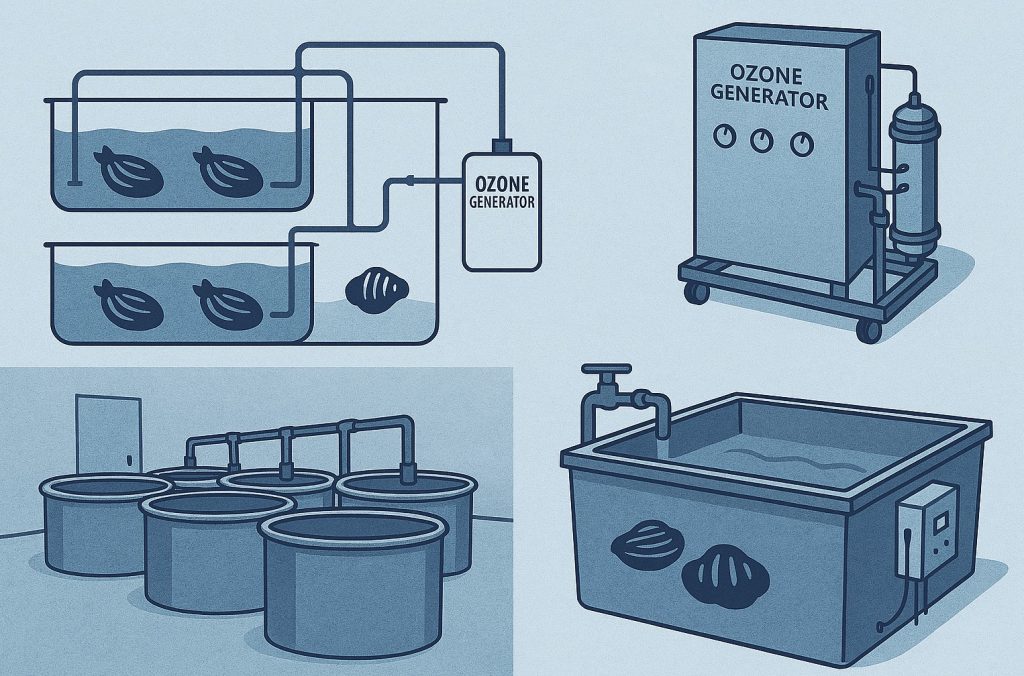
How It Works
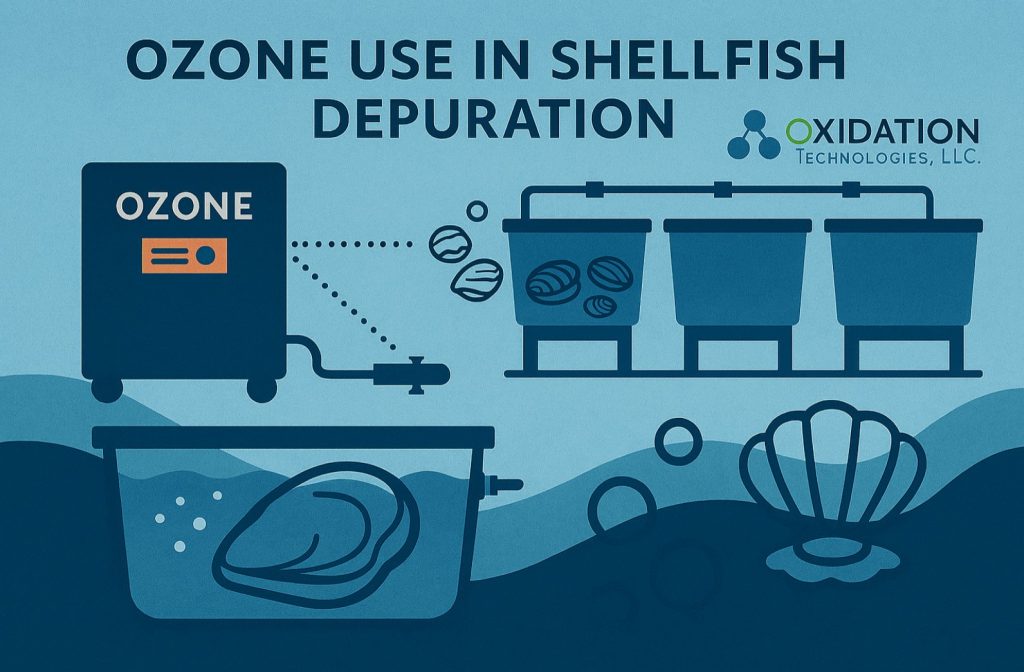
A typical ozone depuration system includes:
- Ozone generator (corona discharge or oxygen-fed)
- Injection system (venturi injector or diffuser)
- Contact tank to maintain 0.1–0.3 mg/L residual ozone
- Monitoring systems for ORP or dissolved ozone
- Off-gas destruct unit for safety
For a 5,000-gallon tank holding ~1,000 lbs of shellfish, ozone dosage ranges from 2–6 g/hour, depending on water conditions.
Benefits at a Glance
- Rapid microbial reduction: Eliminates E. coli, Vibrio, and viruses
- Cleaner process water: Lower BOD, color, and odor
- No chemical residues: Ozone decomposes to oxygen
- Improved compliance: Meets export and regulatory standards
- Lower costs: Reduced water exchange and chemical use

Applications
- Oyster depuration plants
- Clam and mussel purification systems
- Aquaculture hatcheries
- Seafood holding and transport tanks
Conclusion
Ozone offers a safe, efficient, and environmentally friendly solution for shellfish depuration. It improves food safety, extends shelf life, and supports sustainable seafood practices—all without compromising quality.