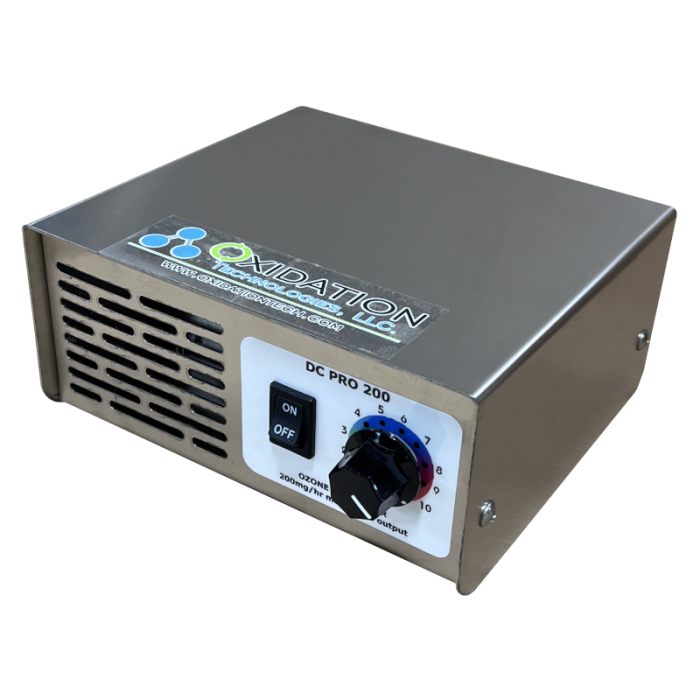
An ozone machine can be a valuable tool for addressing issues in a basement that has been flooded. Here’s how it can help:
- Eliminating Odors: Flooding often leads to the development of unpleasant odors due to stagnant water, mold, and mildew. Ozone machines generate ozone (O3), which is a powerful oxidizing agent. When ozone comes into contact with odor-causing molecules, it oxidizes them, thereby neutralizing the odors.
- Killing Mold and Mildew: Ozone is effective at killing mold and mildew spores. After flooding, these spores can proliferate in the moist environment of a basement. Using an ozone machine can help reduce or eliminate mold and mildew growth, improving air quality and reducing health risks.
- Bacteria and Virus Removal: Floodwaters can introduce bacteria and viruses into your basement. Ozone can help in sanitizing the space by killing a wide range of bacteria and viruses, thus reducing the risk of infections.
Steps to Use an Ozone Machine in a Flooded Basement
- Safety Precautions:
- Evacuate People and Pets: Ensure that no one is in the basement while the ozone machine is running, as high levels of ozone can be harmful to humans and animals.
- Seal the Area: Close doors and windows to the basement to contain the ozone.
- Preparation:
- Dry the Area: Before using an ozone machine, ensure the basement is as dry as possible. Use dehumidifiers, fans, and wet/dry vacuums to remove excess moisture.
- Remove Debris: Clear out any debris, damaged materials, or items that were affected by the flood.
- Running the Ozone Machine:
- Position the Machine: Place the ozone machine in a central location in the basement for even distribution of ozone.
- Set the Timer: Run the machine for the recommended amount of time, which can vary based on the size of the area and the severity of the odor or mold issue. Typically, this could range from a few hours to an entire day.
- Ventilate After Use: After the ozone treatment, ventilate the basement thoroughly before re-entering. Open windows and doors, and use fans to help disperse any remaining ozone.
- Follow-Up:
- Inspect for Mold: After the ozone treatment, inspect the basement for any remaining mold. While ozone can kill surface mold, it may not penetrate deeply into porous materials.
- Monitor Odors: Check if any odors persist and consider a follow-up ozone treatment if necessary.
- Prevent Future Issues: Address the source of the flooding and take steps to prevent future moisture buildup, such as improving drainage around the house, sealing cracks in the foundation, and using a dehumidifier.
Important Considerations
- Ozone Sensitivity: Some materials and household items can be sensitive to ozone and may degrade with prolonged exposure. Use caution when treating areas with delicate materials.
- Professional Help: In cases of severe flooding and extensive mold growth, it might be necessary to seek professional remediation services.
Using an ozone machine can significantly aid in the recovery process after a basement flood by improving air quality, reducing odors, and mitigating mold and bacterial contamination.
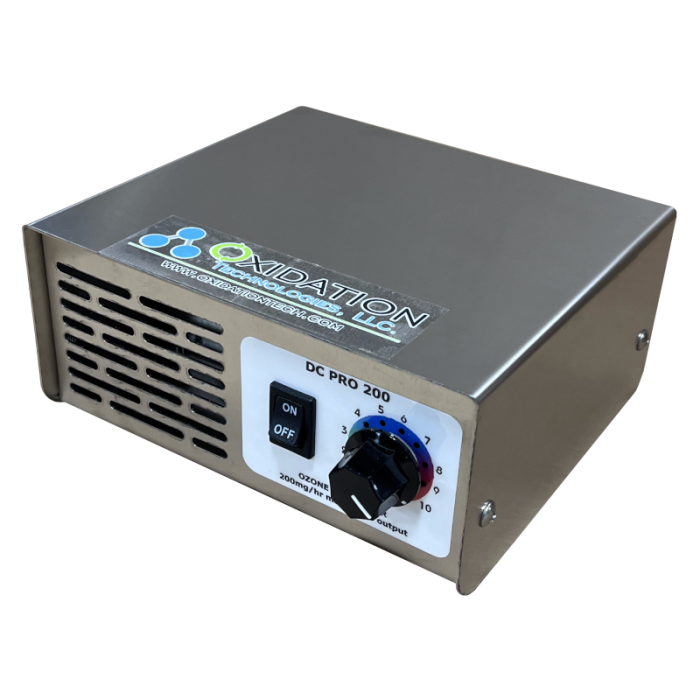
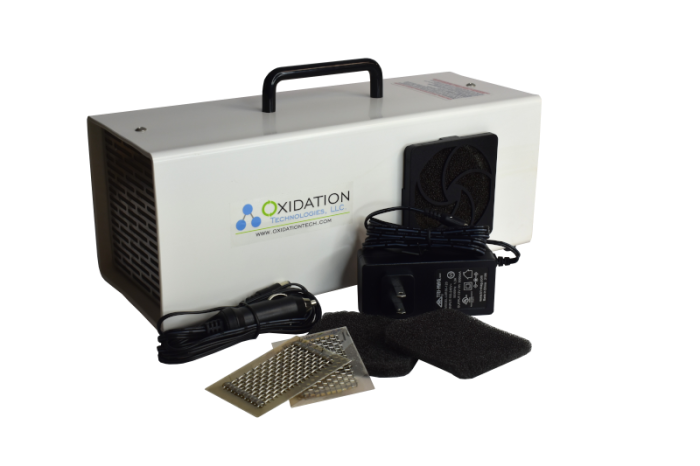
See the units we recommend:
https://www.oxidationtech.com/pro-200.html