
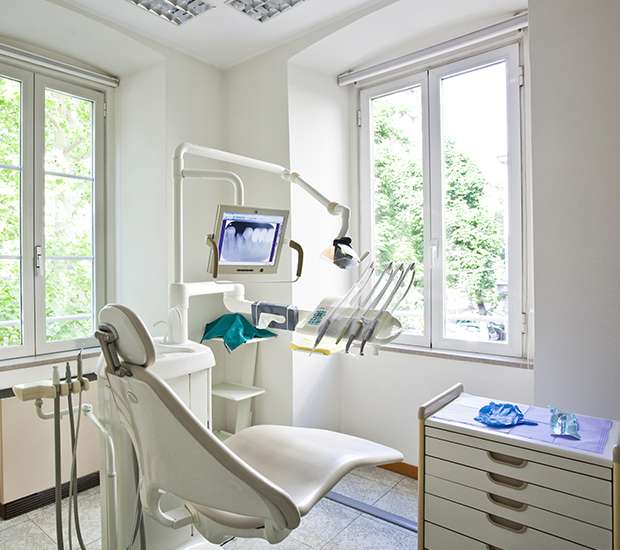
At Oxidation Technologies, we’re always keeping an eye out for practical, science-backed advancements in ozone application. A recent randomized controlled trial caught our attention for its direct demonstration of how ozone therapy can reduce pain and speed up healing in a medical setting. The study focused on dental implant surgery—a precise, high-stakes procedure—and the results are promising.
What Was Studied?
The clinical trial set out to test whether ozone therapy could improve recovery after dental implant placement. Eighty-four patients participated, divided into two groups:
- Group A (Ozone Group): Received standard implant surgery, but with ozone-infused treatments—including ozonated saline for irrigation (25 µg/mL), 30 seconds of ozone gas directly in the implant site, and a final peripheral ozone injection near the surgical area.
- Group B (Control Group): Underwent the same surgical procedure, but with standard saline irrigation and no ozone therapy.
Both groups had identical surgical protocols aside from the ozone application—same implant brand, same torque, and same suturing method. Pain levels and healing progress were closely monitored and recorded.
The Results: Less Pain, Faster Healing
Here’s where it gets exciting:
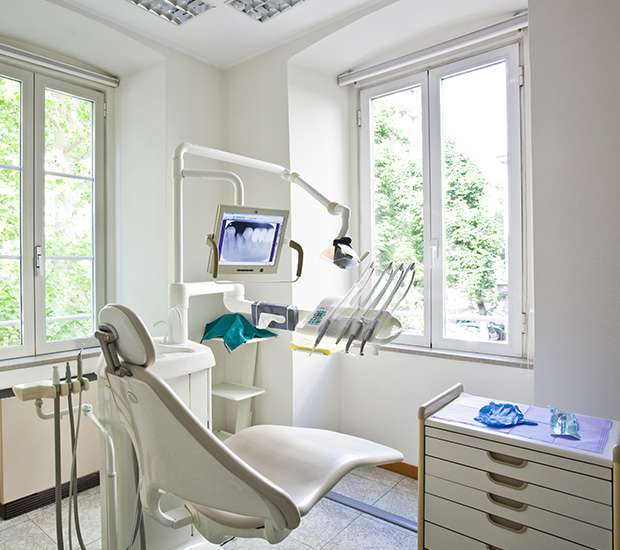
- Pain Reduction: Patients in the ozone group reported significantly lower pain levels at both 24 and 48 hours after surgery.
- Improved Healing: Soft tissue healing was faster in the ozone group, particularly noticeable by day 14, with reduced inflammation and better epithelialization.
These findings weren’t just observed—they were statistically significant (p < 0.05), meaning the benefits of ozone therapy weren’t due to chance.
Why It Matters
This study validates something many of us in the ozone industry already believe: ozone has untapped potential in accelerating tissue recovery and reducing post-surgical discomfort. Whether it’s used for sterilization, sanitation, or wound healing, ozone’s oxidative power—when properly applied—supports the body’s natural processes.
From a practical standpoint, this could mean:
- Faster recovery times for patients
- Reduced reliance on pain medications
- Lower risk of infection or delayed healing
Applications Beyond Dentistry
While this study focused on dental implants, the implications stretch far wider. The controlled and targeted application of ozone therapy could benefit surgical recovery in orthopedics, dermatology, and even veterinary medicine.
You can read the entire article here: https://assets.cureus.com/uploads/original_article/pdf/369465/20250607-149930-ummqoa.pdf