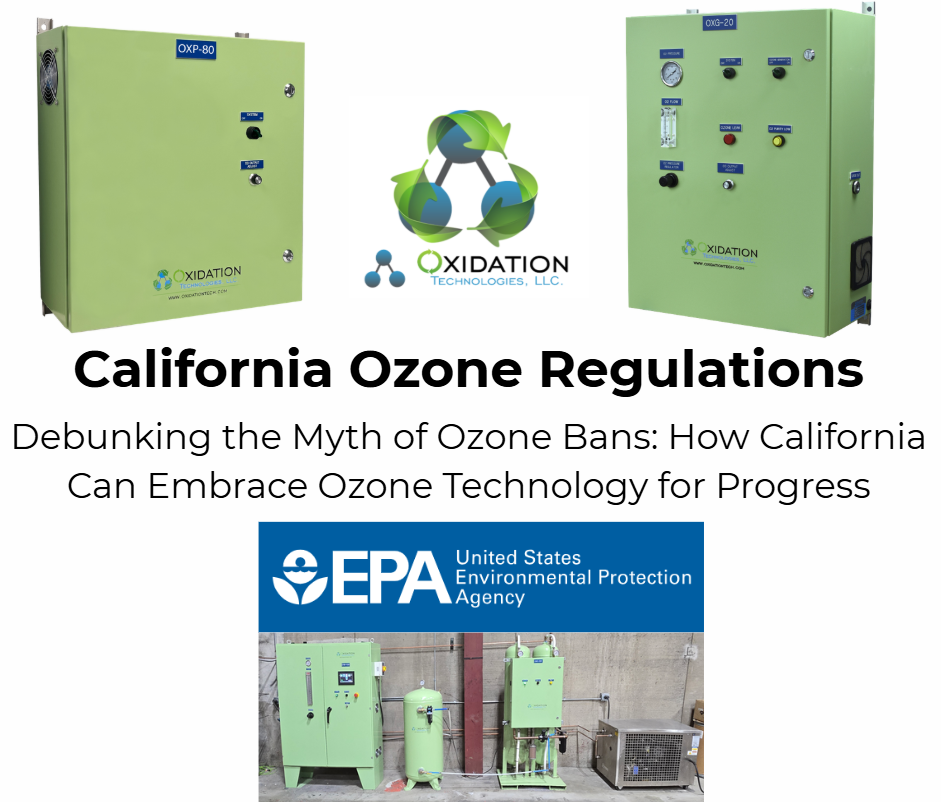
Regulatory Clarity from a Partner you can Trust
Ozone (O₃) is one of the most powerful oxidation tools used in modern air and water treatment. From industrial odor control to municipal water purification, ozone-based systems play a critical role in improving safety, sanitation, and environmental quality.
Yet California’s regulatory framework often creates uncertainty around ozone technology – particularly regarding where and how ozone generators can be used legally and safely.
Understanding these distinctions is essential for engineers, facility managers, and decision-makers evaluating advanced oxidation solutions.
Regulations Overview: Ozone in Indoor Air Applications
In California, ozone emissions from indoor air cleaning devices are regulated by the California Air Resources Board (CARB) under Title 17 of the California Code of Regulations (CCR §94800–94810).
California does not impose a blanket prohibition on ozone. High-output ozone applications are permitted for industrial purposes, such as disinfection and odor mitigation, but must be implemented under controlled conditions to ensure that human exposure is avoided.
Key Technical Requirement
Indoor air cleaning devices must not emit ozone concentrations greater than 0.050 ppm (50 ppb). (CCR §94800–94810).
This regulation applies to devices marketed for indoor air purification, including:
- ozone-based air cleaners
- ionization systems
- electrostatic precipitators
- portable odor-control devices
These limits are designed to protect occupants from prolonged ozone exposure in enclosed environments such as homes, offices, schools, and healthcare facilities.
Industrial Air Treatment: High-Output Ozone with Controlled Deployment
While ozone is tightly regulated in occupied spaces, California does not prohibit high-output ozone systems for industrial applications.
High-capacity ozone generators are widely used in:
- manufacturing facilities
- food processing and storage
- waste and wastewater operations
- agricultural environments
- mold, smoke, and odor remediation
Operational Requirement
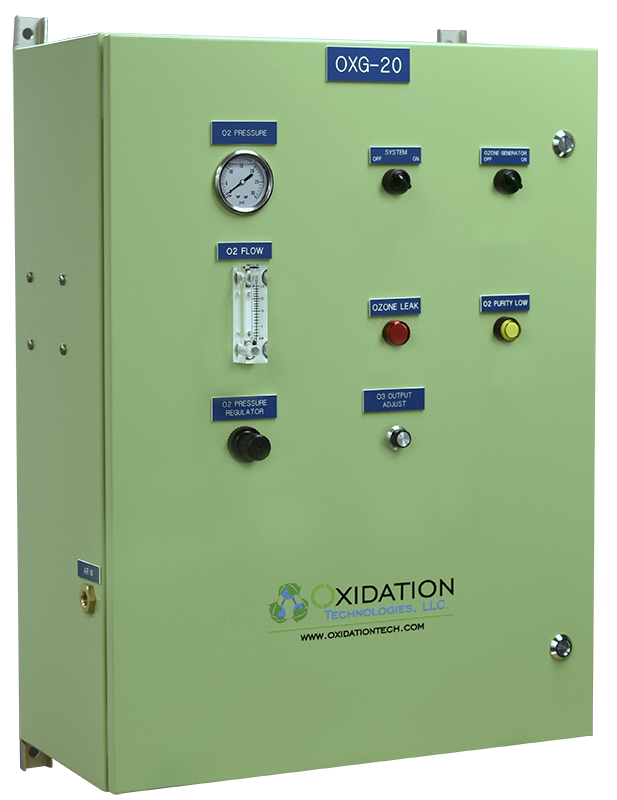
Industrial ozone systems must be operated in unoccupied spaces, supported by appropriate safety controls, labeling, and ventilation strategies.
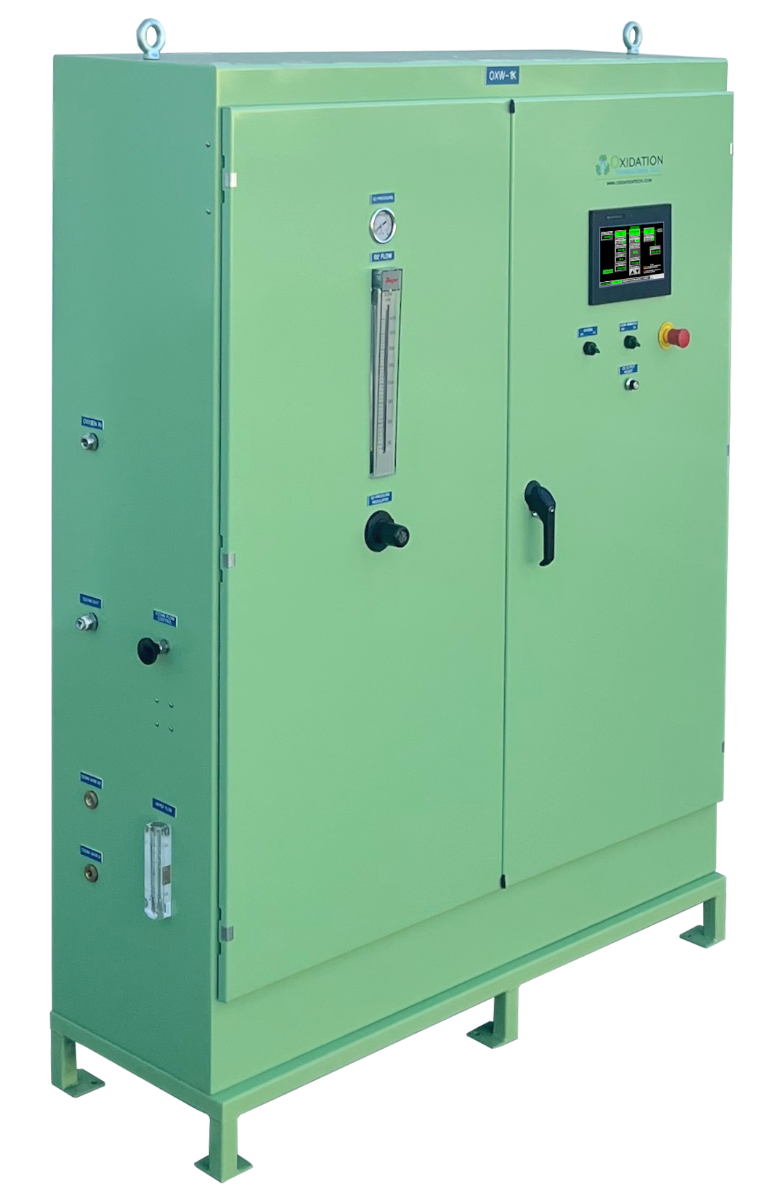
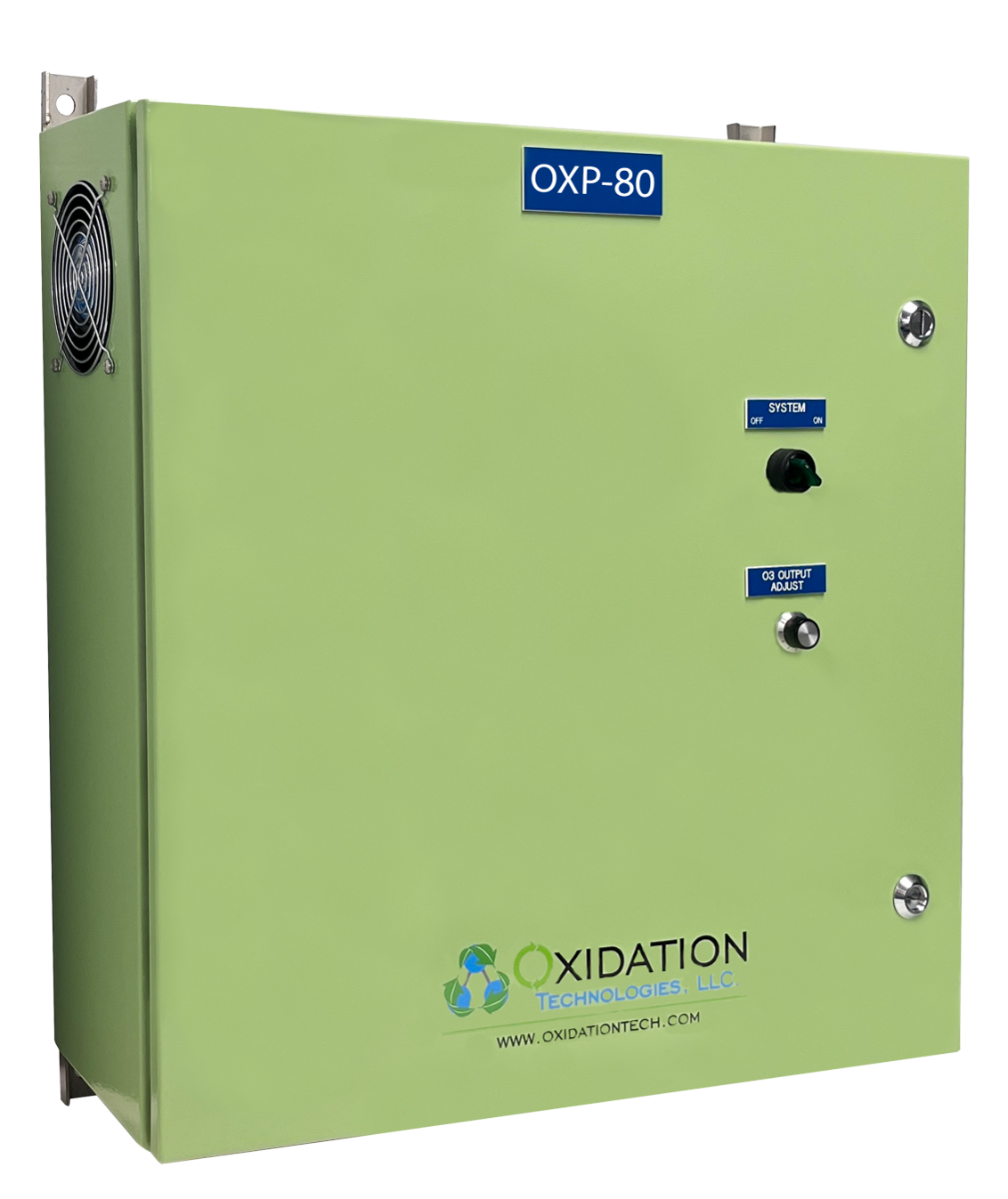
This is where engineered ozone solutions—rather than consumer-grade devices—become critical. Industrial ozone generators are designed for controlled deployment, precise dosing, and integration with facility safety systems.
Water Treatment Applications: Broad Acceptance and Proven Performance
Unlike indoor air treatment, ozone generators used for water treatment fall outside CARB’s indoor air cleaner regulations.
Ozone is widely approved and implemented across California for:
- municipal drinking water treatment
- wastewater disinfection
- industrial process water
- swimming pools and aquatic facilities
From a technical perspective, ozone offers significant advantages:
- rapid oxidation of contaminants and pathogens
- reduced dependence on chlorine and other chemicals
- improved water quality and clarity
- minimal residual byproducts
Advanced systems such as ozone-based water treatment platforms and AOP (Advanced Oxidation Process) technologies combine ozone with UV or other oxidants to enhance contaminant destruction in complex water matrices.
Engineering Insight: Application-Specific Oxidation Design
A critical takeaway from California’s regulations is that ozone compliance depends on application context and system design, not simply the presence of ozone technology.
Effective oxidation systems must be engineered with:
- controlled ozone output and monitoring
- integrated safety and interlock systems
- application-specific dosing and contact time
- regulatory-aware system architecture
For example:
- High-capacity ozone generators are optimized for industrial environments where human exposure is controlled.
- CDU (Central Distribution Unit) systems provide scalable ozone delivery for large facilities and complex processes.
- AOP systems extend oxidation capability for advanced water and wastewater treatment challenges.
These technologies demonstrate how oxidation solutions can be tailored to meet both performance and compliance requirements.
The Role of Advanced Oxidation Technologies in Modern Facilities
As regulatory scrutiny increases and sustainability goals evolve, advanced oxidation technologies are becoming essential tools across industries.
Engineered ozone and AOP systems can help organizations:
- achieve higher levels of disinfection and contaminant removal
- reduce chemical usage and operational costs
- meet environmental and safety standards
- solve complex odor, microbial, and water quality challenges
When properly designed, oxidation systems provide a balance of power, precision, and compliance that traditional treatment methods cannot achieve.
What This Means for Engineers and Facility Managers
California’s regulatory framework presents both limitations and opportunities:
- Indoor air applications require low-emission, certified solutions.
- Industrial air applications demand engineered ozone systems with controlled operation.
- Water treatment applications offer significant flexibility for high-performance oxidation technologies.
Organizations that understand these distinctions are better positioned to deploy oxidation solutions effectively and responsibly.
Call to Action: Explore the Right Oxidation Solution for Your Application
Selecting the right ozone or advanced oxidation system requires more than choosing a generator – it requires a technical evaluation of your application, regulatory environment, and performance goals.
Oxidation Technologies works with engineers, integrators, and facility teams to:
- assess the feasibility of ozone and AOP solutions
- identify regulatory and operational considerations
- design application-specific oxidation systems
- optimize performance while maintaining compliance
If you’re evaluating ozone, CDU systems, or advanced oxidation processes for air or water treatment, our technical specialists can help you determine the most effective and compliant approach.
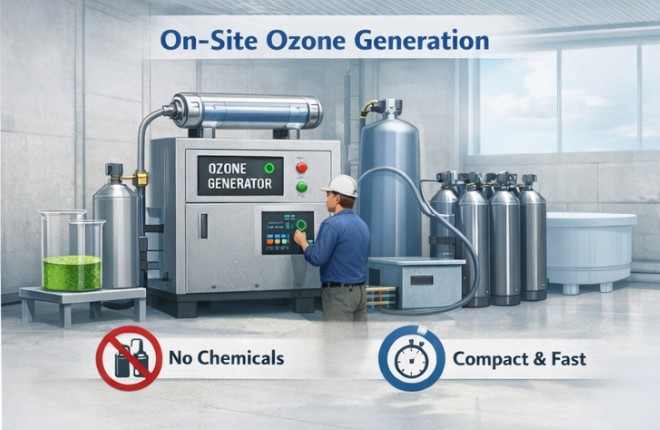
Connect with Oxidation Technologies to discuss your application and discover how engineered oxidation solutions can address your most complex treatment challenges.

Related Blog Posts
Resources
- California Code of Regulations, Title 17, §§94800–94810.
https://govt.westlaw.com/calregs - California Air Resources Board (CARB), Air Cleaners and Ozone Products Program.
https://ww2.arb.ca.gov/our-work/programs/air-cleaners-ozone-products - U.S. Environmental Protection Agency (EPA), Water Reuse and Ozone Applications.
https://www.epa.gov/waterreuse - California State Water Resources Control Board.
https://www.waterboards.ca.gov