
Reliability
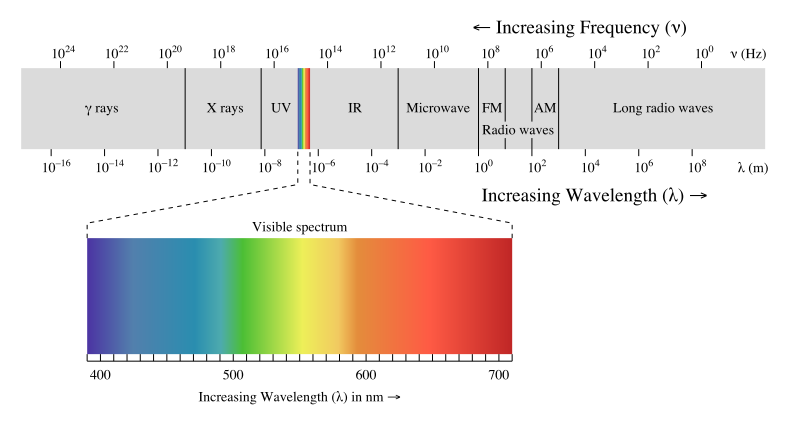
UV absorption technology is one of the most reliable methods for measuring gas concentrations in a wide range of applications. This approach works on a straightforward principle: gases absorb ultraviolet light at specific wavelengths. By sending UV light through a sample and measuring how much is absorbed, an analyzer can determine the exact concentration of the gas present.
Precision
What makes UV absorption especially useful is its precision. It’s not influenced by humidity, temperature shifts, or the presence of most other gases, which helps ensure stable and accurate readings. This durability also means the system requires less frequent maintenance than many other measurement methods.
Flexibility
Another advantage is its flexibility. UV analyzers can be configured for low-level or high-concentration environments, making them valuable for industries that need dependable, continuous monitoring. Because the technology is based on optical measurement rather than chemical reactions, it offers long-term reliability without consumables or frequent calibration.
Did you know?
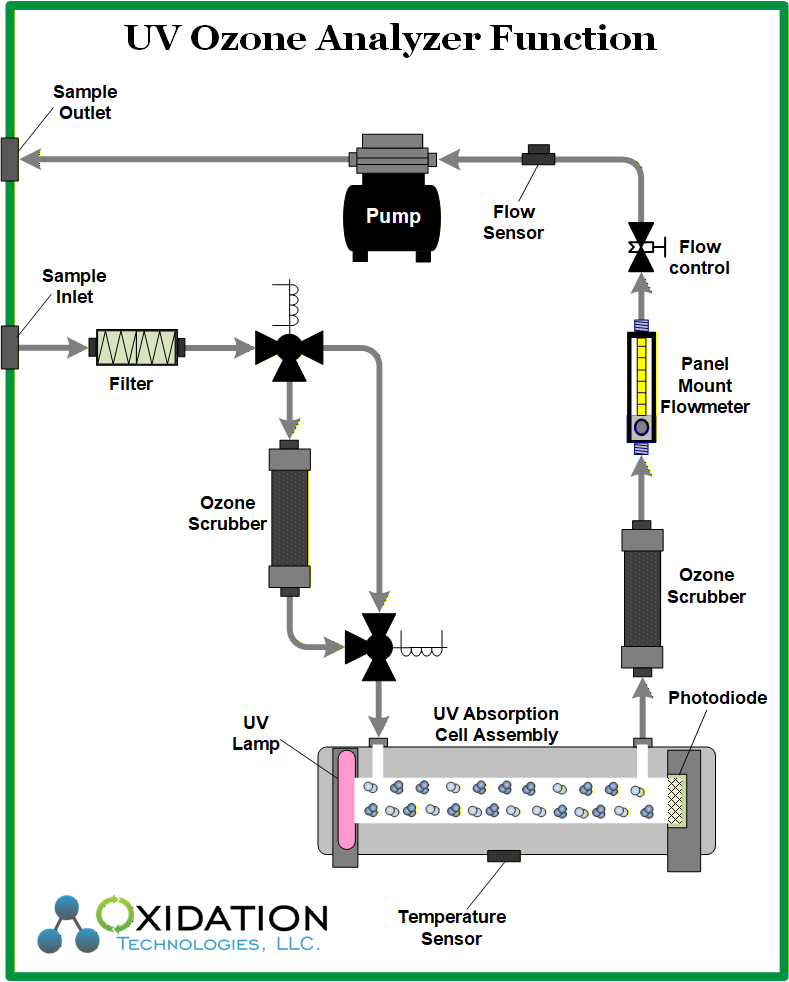
A UV ozone analyzer typically includes:
UV Light Source
– Usually, a low-pressure mercury lamp producing stable UV light at 254 nm.
Sample Cell (Optical Pathway)
– Sample gas is drawn through this chamber, and the UV light passes through it.
Detector
– Measures the intensity of UV light after it passes through the sample.
Reference Measurement
– A second optical path or filtered air stream provides a “zero ozone” reference.
Signal Processing
– The analyzer computes ozone concentration based on the reduction in UV intensity caused by ozone absorption.
Compare O3 Sensor Technologies
How It Works
- A sample of the gas is drawn into a chamber, where a UV light source shines through it at a specific wavelength.
- If the target gas is present, it absorbs part of that UV light. The more gas present, the more light is absorbed.
- By comparing the light intensity before and after it passes through the chamber, the analyzer calculates the gas concentration using a predictable absorption relationship.
- For additional accuracy, the system may take a baseline measurement using a “zero-gas” sample where the target gas has been removed.
UV Analyzer Products
- Low Range
- Medium Range
- High Range
- UV OEM O3 Analyzers
- Calibration Source
- Measure O3 in Water
- Rental O3 Analyzers
Conclusion
In short, UV absorption provides a clear, stable, and efficient way to measure gas concentrations—ideal for operations that depend on accuracy and consistency.

General Calibration Information
All Gas Sensors will require periodic calibration to ensure your gas measurements are accurate and correct. Different gasses, and sensor manufacturers will have differing requirements and methods for calibration. This page will serve to provide general calibration information and links to specific calibration procedures from the sensor manufacturers we represent.
Should you have any questions about sensor calibration, or would like us to help you with your calibrations please contact us.