Ozone’s story is one of discovery, innovation, and diverse applications that impact our daily lives in unexpected ways. Today, we’ll explore how it was discovered, how technology has advanced to harness its benefits, and the broad range of modern uses it serves today—all with an eye on what the future may hold.
The Origins of Ozone
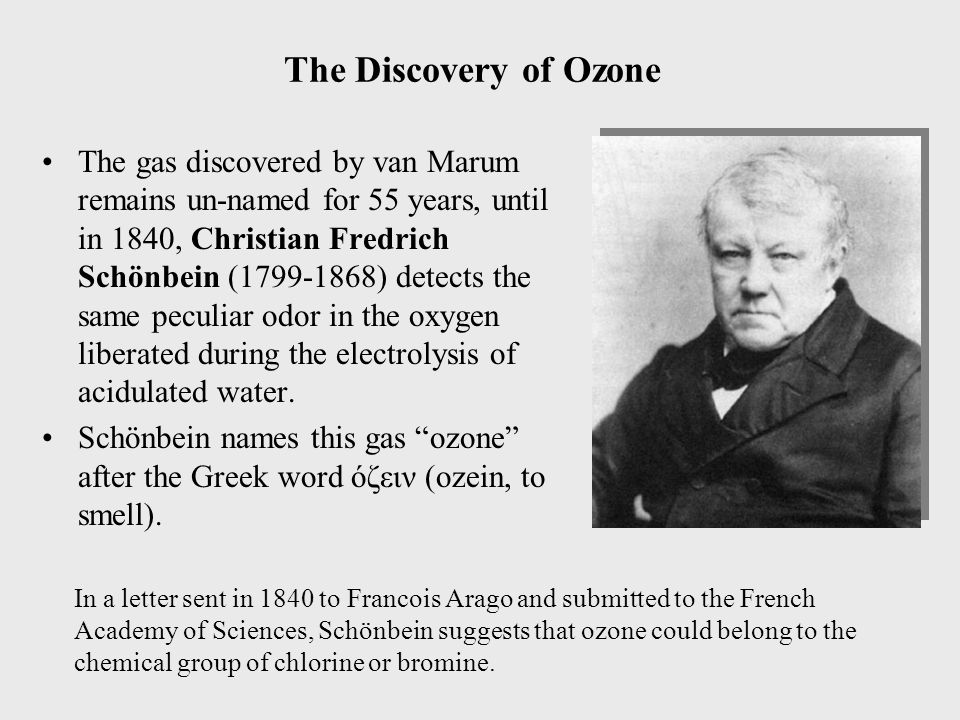
Our journey begins in the late 18th century with Martinus van Marum, a Dutch scientist whose electrification experiments revealed a peculiar, sharp odor. Although van Marum didn’t identify this smell as ozone, his work laid the groundwork for future discoveries. In 1840, Christian Friedrich Schönbein, a German-Swiss chemist, formally identified the gas and named it “ozone” from the Greek word ozein, meaning “to smell.” Schönbein’s discovery marked a turning point in our understanding of ozone’s chemical properties, sparking widespread interest.
Technological Advances and Early Uses
By the late 19th century, ozone’s oxidative properties had captured the attention of researchers and innovators alike. Werner von Siemens, a German engineer, developed the first industrial-scale ozone generator, a landmark that enabled large-scale research into ozone’s potential as a disinfectant. Soon after, in 1886, Marius Paul Otto established the Compagnie des Eaux d’Ozone in France, an organization dedicated to developing ozone technology. Otto’s contributions were instrumental, driving early commercial applications and helping establish ozone as a powerful tool for water treatment.
Ozone in Water Treatment: A Legacy of Safety
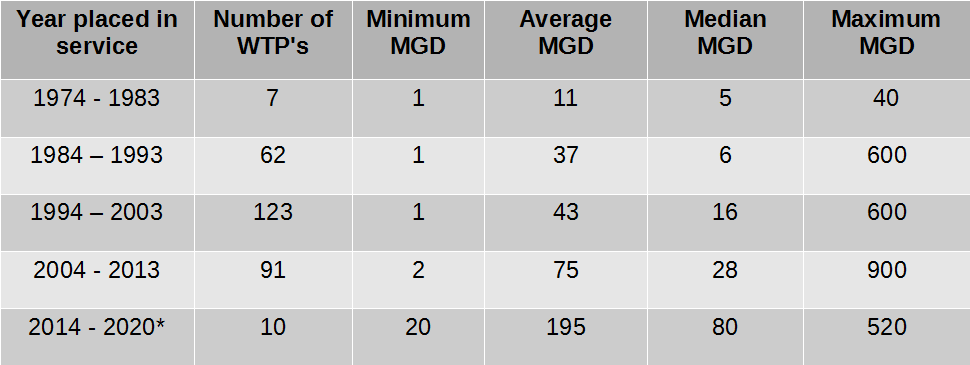
Ozone’s first significant technical application arrived in 1893 in Oudshoorn, Netherlands, where it was used to treat drinking water. This success paved the way for the first large-scale implementation in Nice, France, in 1906, confirming ozone as a reliable method for water disinfection. After World War II, concerns about chlorination byproducts led to renewed interest in ozone technology. By 1977, over 1,000 installations around the world were using ozone to treat water, underscoring its effectiveness in oxidizing pollutants and eliminating resistant microorganisms like Cryptosporidium.
Today, ozone remains a vital tool in water treatment, playing a key role in producing safe, drinkable water around the globe.
Expanding Applications: Food Safety, Aquaculture, and More
Ozone technology’s versatility has grown with advancements in science and regulatory approvals. In 2001, the U.S. Food and Drug Administration (FDA) approved ozone’s use as an antimicrobial agent in food processing. Now, ozone is widely used to wash produce and meat, extending shelf life, and enhancing food safety by reducing microbial contamination.
Ozone also plays a vital role in:
- Bottled Water: Ensuring the safety of water, bottles, and caps without chemicals that may leave residuals, as ozone safely reverts to oxygen after disinfection.
- Swimming Pools: Reducing harmful chloramines and improving water clarity and quality.
- Aquaculture: Managing water quality and controlling pathogens to support healthier fish growth.
- Laundry: Lowering energy costs by enabling cold water ozone washing instead of traditional hot water, ideal for large-scale laundry operations.
- Irrigation: Eliminating pathogens and increasing dissolved oxygen levels in horticulture, leading to healthier plants and better yields.
- Water Reclamation: Supporting sustainable reuse of water without long-term chemical residues, a game-changer in water conservation.
The Future of Ozone: What Lies Ahead?
From its accidental discovery to its modern applications, ozone’s story is one of scientific curiosity transformed into practical innovation. Its potential only continues to grow as we explore new ways to apply ozone in sustainability, health, and technology.
We are here to support you on this journey of discovery. Should you have questions about ozone applications or wish to explore how ozone can be tailored to your specific needs, feel free to contact us. Visit our detailed page on ozone history to learn more about ozone’s incredible journey: Ozone History and Basics.
Ozone’s future is bright, and we are excited to see how it will continue to make an impact.