At Oxidation Technologies, we specialize in servicing any ozone equipment in any condition — even when they’ve been sitting idle for months or years. Recently, we had the opportunity to help a meat processing plant in Sioux Center get their ozone system back up and running after it had been abandoned.
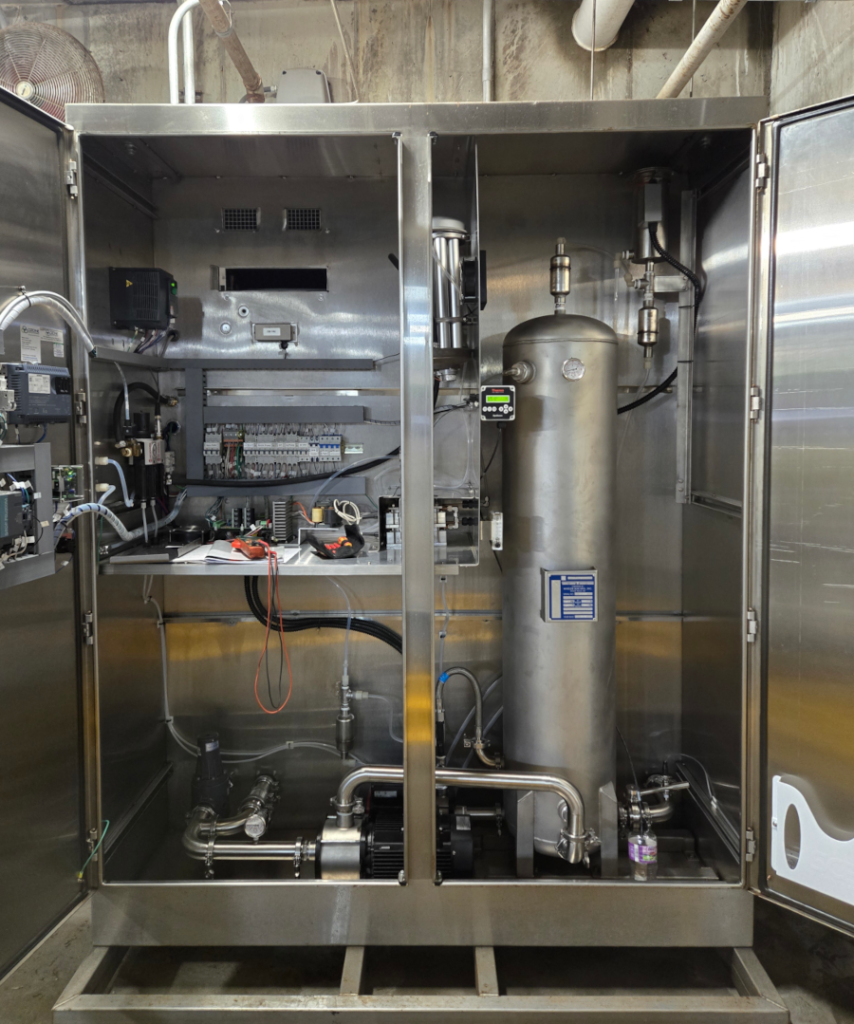
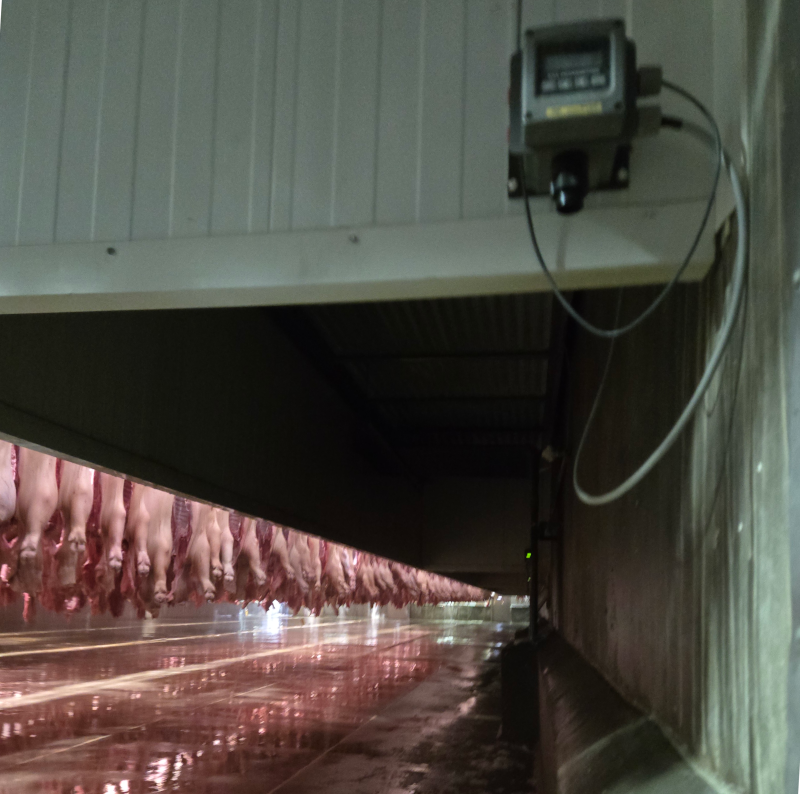
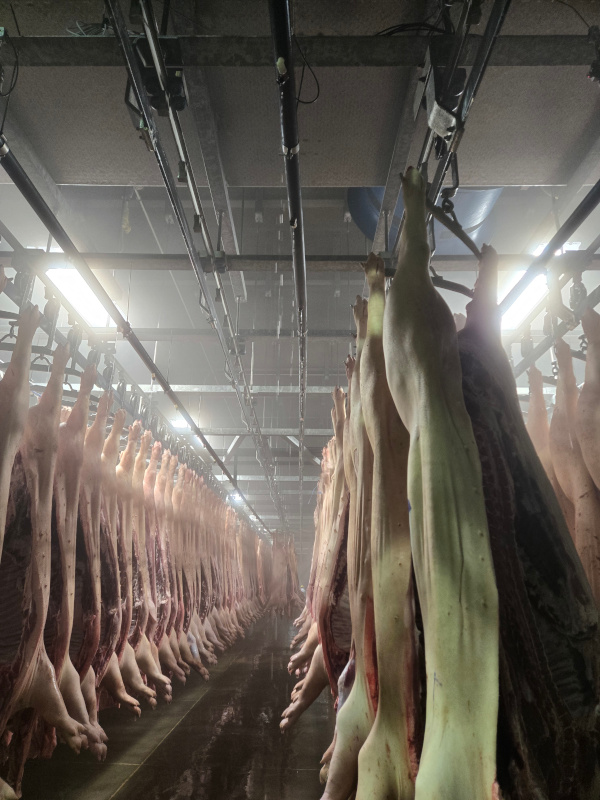
This particular ozone system was built by Ozone Solutions, Inc. and installed at a pork processing plant for use in a carcass chiller. This system was installed with the intention to dissolve ozone in chilled water sprayed on carcasses in the cooler. This provides an antimicrobial intervention for the carcasses through the ozone water sprayed on the carcasses while cooling carcasses faster due to chilled and eliminating any potential shrink. The overall application was good, however the ozone system was never able to operate due to start-up issues that could not be overcome by the equipment manufacturer or the plant personnel.
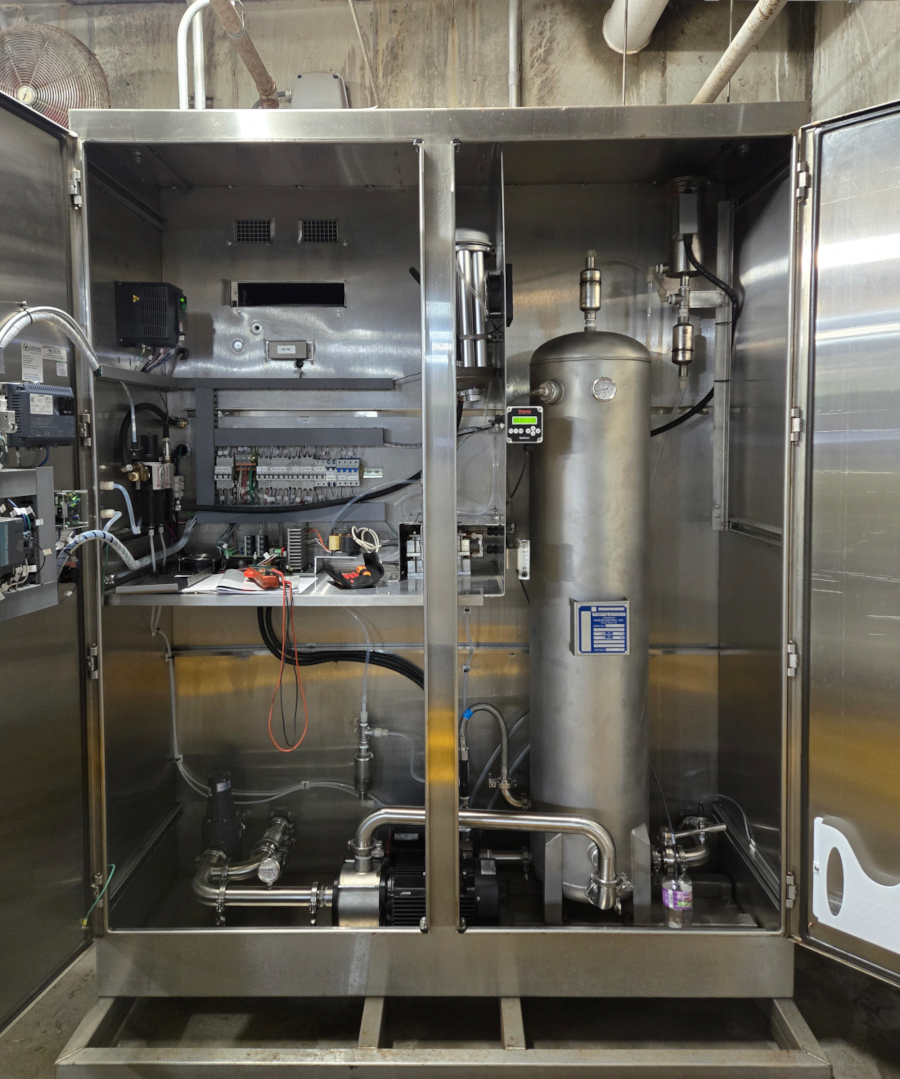
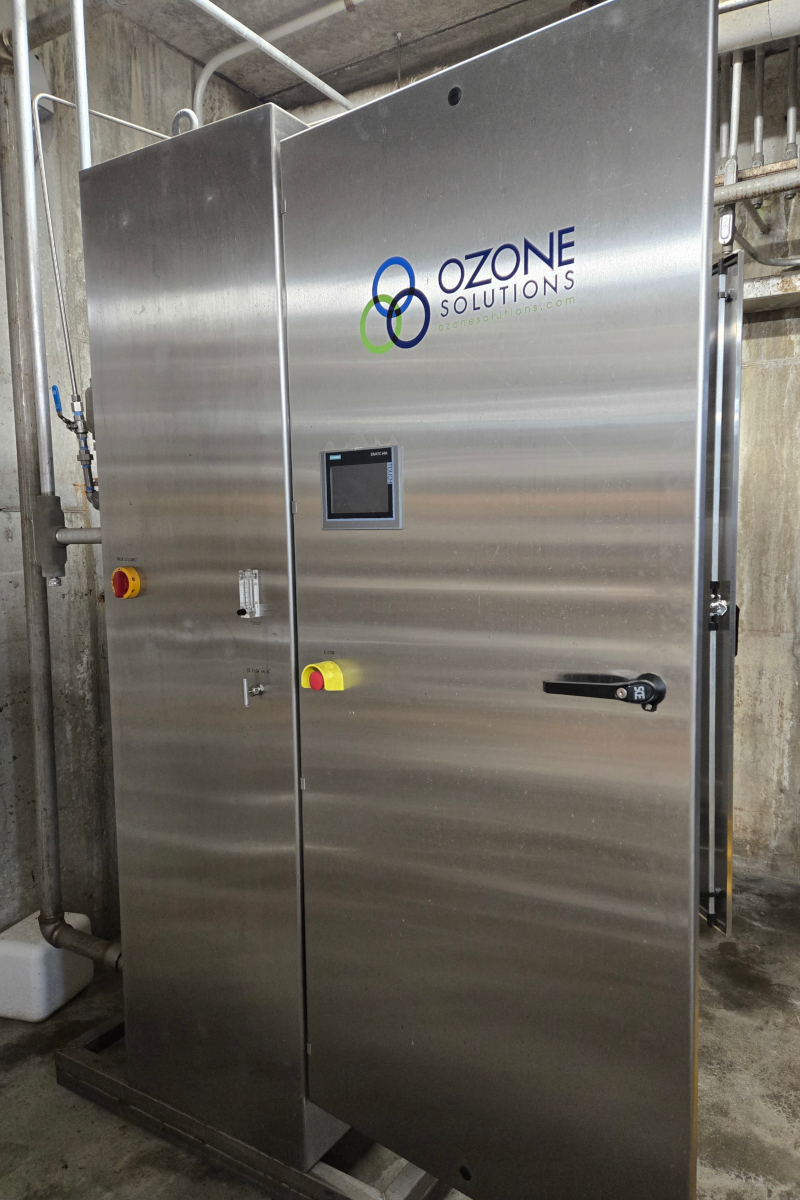
When we first arrived on site, our goal was simple: evaluate the existing system, get it as close to startup-ready as possible, and give the customer a clear path forward.
Our Initial Visit
During our first few hours on site, we started the system, checked each component, and identified several key issues that needed to be corrected before handing over operation to the customer. The good news? The installation, water plumbing, and points of ozone use all looked very good — the foundation for a reliable system was already there.
Here’s what we found and planned:
- Replace expired ozone sensors to ensure accurate monitoring
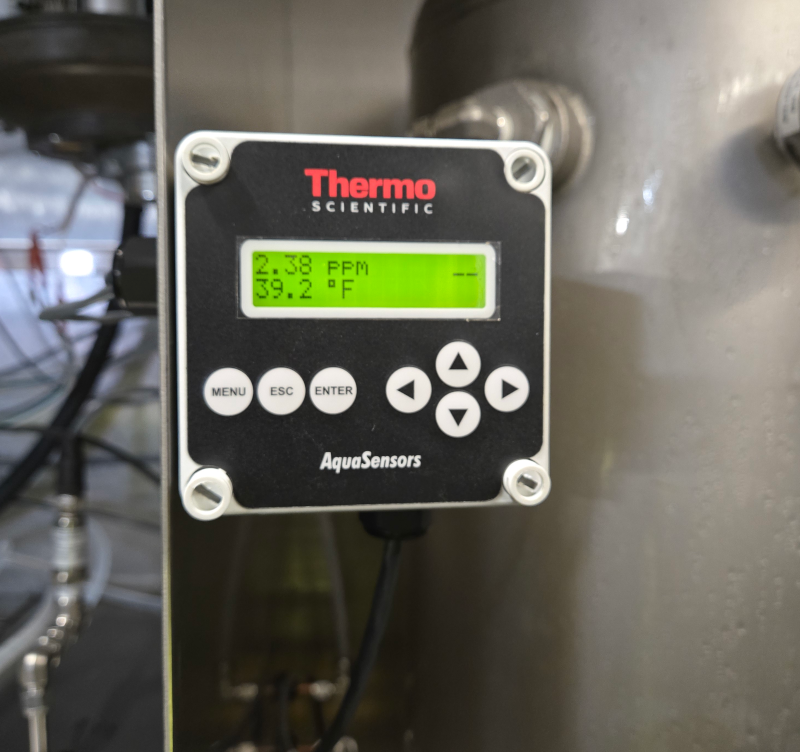
- Install a new flat cap membrane and electrolyte for the Thermo Scientific dissolved ozone sensor
- Install a new SM-3 ozone leak sensor inside the equipment enclosure
- Add a remote ozone sensor for the ATI F12D ambient monitor
- Repair a terminal clip for one plasma block electrode
- Reconfigure the ozone flow control valve (it was plumbed incorrectly and needed to be moved downstream of the ozone generator)
- Test and bump-check the remote leak sensors to verify that they will shut off ozone production if ambient levels rise above safe thresholds
- Improve cabinet drainage by drilling a small drain hole
- Address PLC programming issues — the current PLC was not properly controlling ozone ON/OFF cycles to maintain the dissolved ozone setpoint.
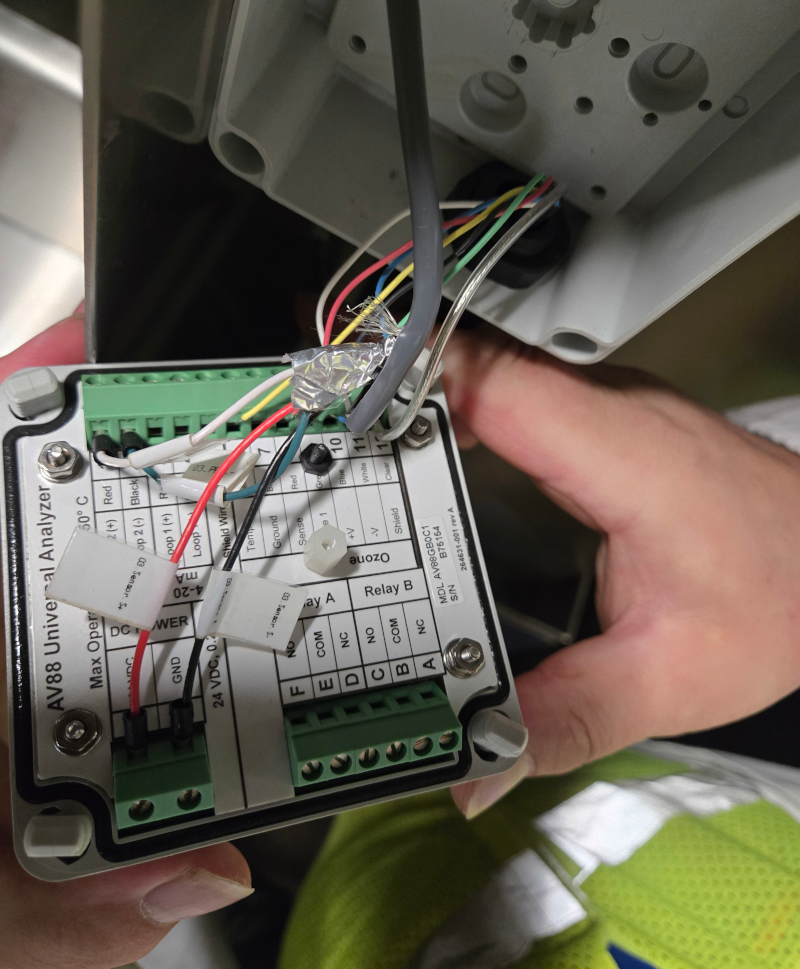
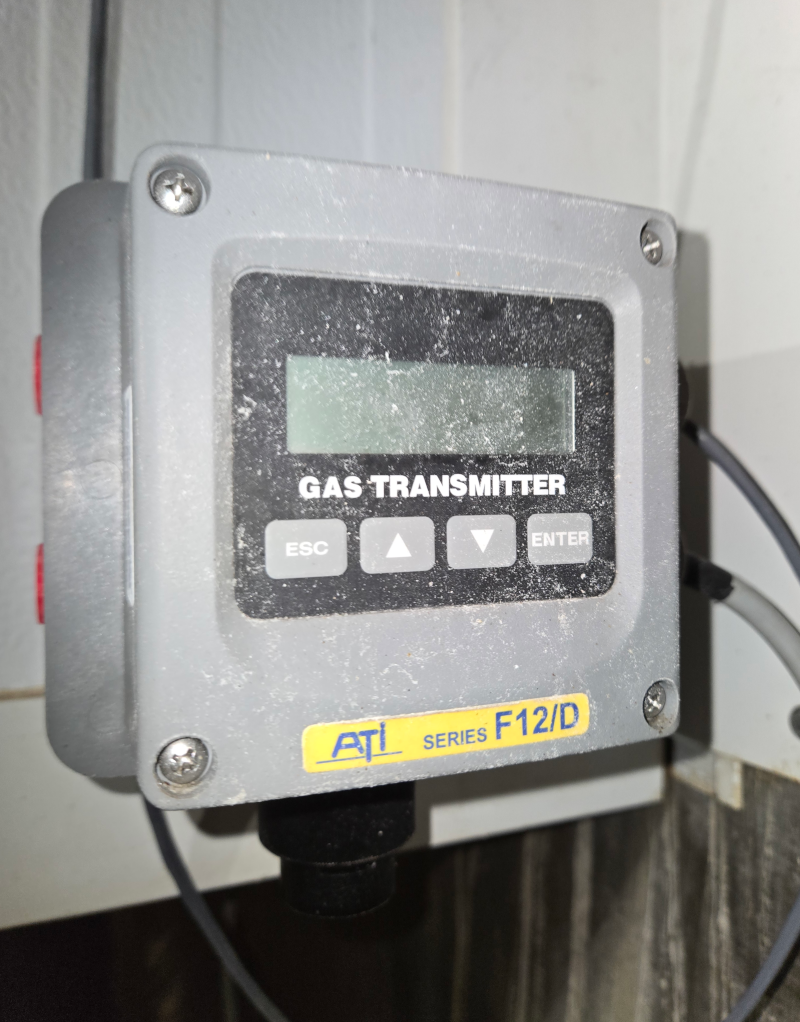
To solve the PLC issue, we asked the plant if they could download the program and email us a copy. This would allow us to troubleshoot and find the best long-term solution. In the meantime, we planned to wire in a manual ozone ON/OFF switch, integrate relays for generator control, and tie the dissolved ozone monitor directly into the system for closed-loop control — ensuring safe, consistent ozone levels even before the PLC programming is updated.
Teamwork and Next Steps
Our customer was eager to get the system running and fully supported our plan. They quickly coordinated internally so we could return for a second visit to finish the work, install the new components, and complete staff training.
The Result
After our follow-up visit, the plant had:
- A fully operational ozone system — producing and controlling ozone reliably
- Safety systems tested and verified — leak sensors, alarms, and shutdown protocols all working
- Proper flow control and plumbing configuration — ensuring efficient ozone delivery
- A trained staff — ready to confidently operate and maintain the system going forward
- A service partner — Oxidation Technologies will continue to support them with remote diagnostics, replacement parts, and on-site service when needed
Today, this plant has an excellent, reliable ozone system that is helping them maintain high sanitation standards while saving time and resources.
Your Ozone System Can Run Like This Too
Do you have an ozone system that’s been sitting idle or not performing as designed? Don’t let that investment go to waste. Our team at Oxidation Technologies can inspect, troubleshoot, and restore your system — and train your staff to keep it running safely and effectively.
Contact us today to schedule a service visit and bring your ozone system back to life.